Description
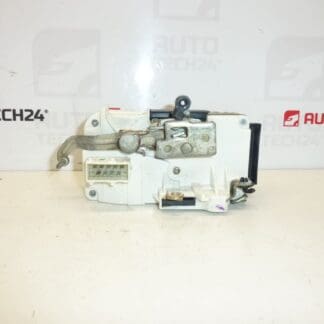
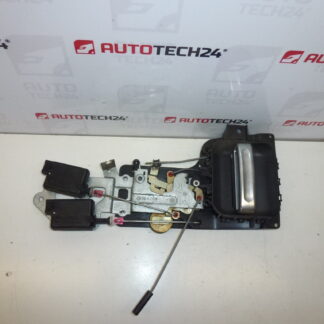
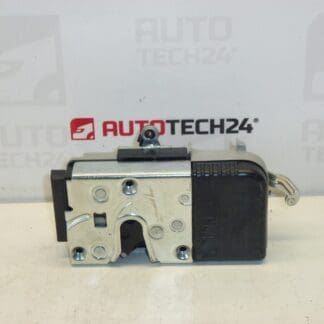
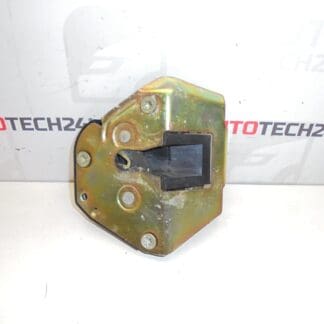
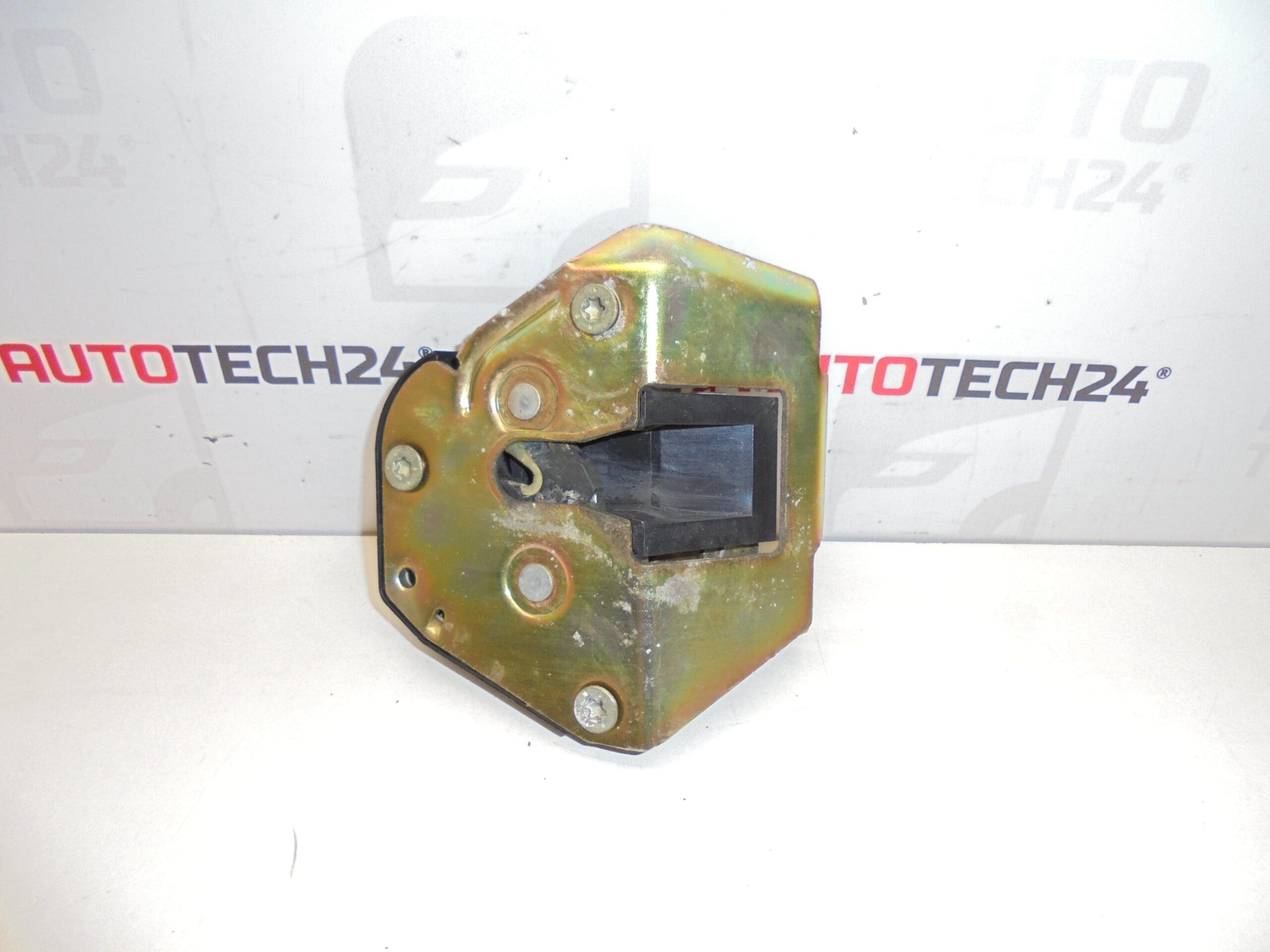
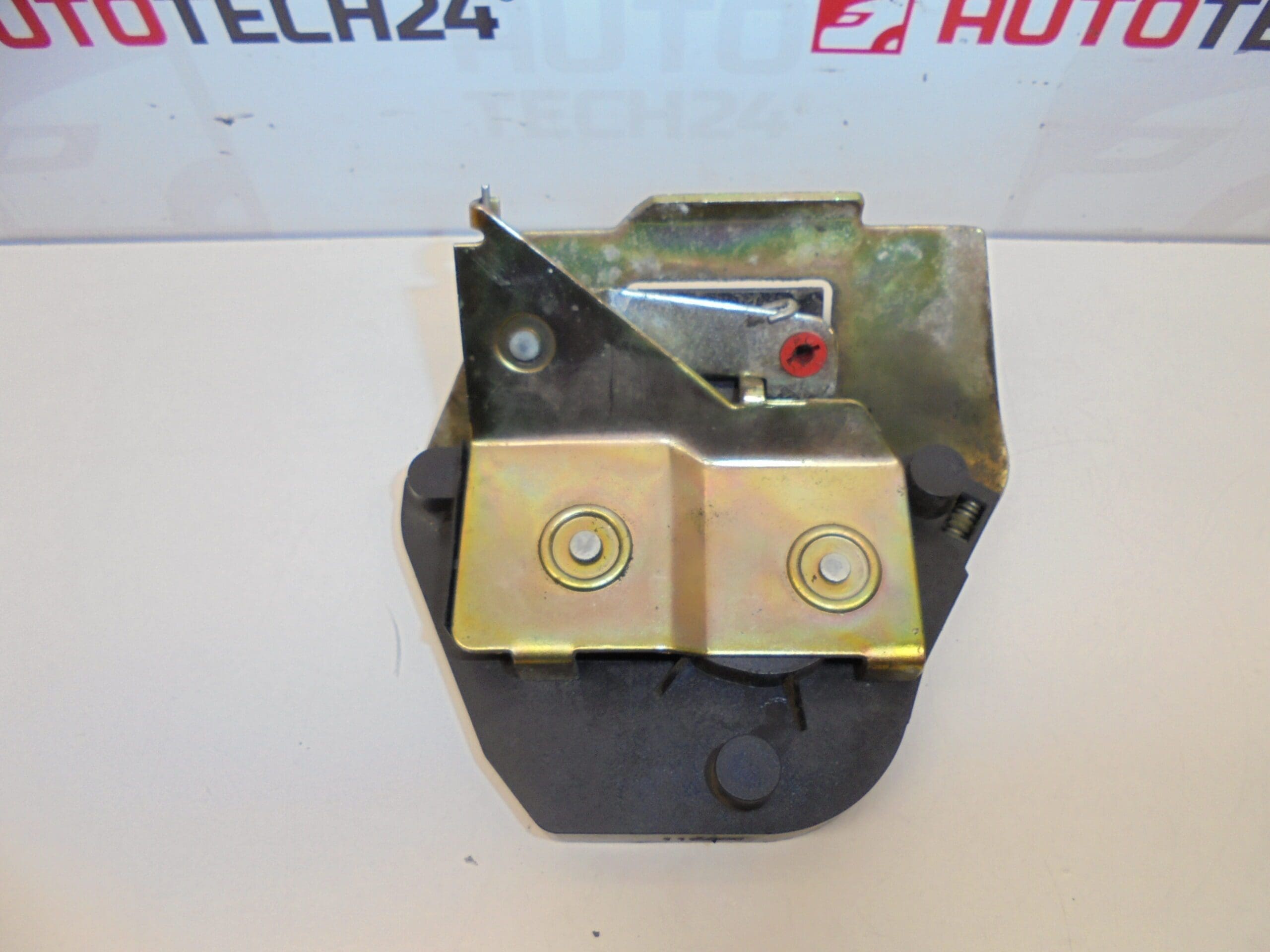
Lock For Right Rear Sliding Door For CITROËN C8 And PEUGEOT 807.
This electric right rear sliding door lock (OE Reference 9138C6) is a direct-fit replacement designed for Citroën C8 and Peugeot 807 vehicles. Intended for professional workshops and competent DIY mechanics, the unit secures the sliding door, interfaces with the central locking system and interior/exterior handles, and restores reliable door closing and vehicle security. Commonly searched under part number 9138C6, this lock is a practical spare part for maintenance and repair jobs where the latch has worn, seized, or lost electrical function.
Technical Information
- Manufacturer: Stellantis (Citroën / Peugeot)
- Model: Citroën C8; Peugeot 807
- Product Codes: 9138C6
- Other Numbers: None Known
What This Part Does
The door lock mechanism secures the sliding door by engaging with the striker on the body, releasing on command from the interior/exterior handles or the central locking system. The unit contains the latch assembly and the electrical/mechanical interface that transmits locking/unlocking commands and ensures correct door locking position during driving.
Replacement And Installation
Replacement requires basic automotive electrical and trim removal skills. Typical procedure: disconnect the vehicle battery, remove the inner sliding door trim panel to access the lock, disconnect the electrical connector and any linkages, unbolt the old lock from the door, fit the new unit, reconnect linkages and electrics, and reinstall the trim. After installation, check functionality of manual handles and central locking, and verify smooth engagement with the striker; adjust striker alignment if necessary. Use appropriate fastener torque per vehicle workshop manual and ensure electrical connectors are secure and protected from moisture.
Recommended Workshop Tips
- Always disconnect the negative battery terminal before working on electrical door components.
- Keep the mechanism lubricated on moving metal-to-metal contact points with a suitable long-life lubricant after installation.
- Inspect the door striker and adjust if the latch does not engage or if the door sits incorrectly.
- Check door seals and drainage channels to prevent future water ingress that can damage the lock.
Why This Part Fails
Failures are most often caused by mechanical wear and contamination: water ingress, dirt and corrosion in the sliding door environment can jam the latch or corrode electrical contacts. Repeated heavy use can wear plastic components and linkages, while the actuator or internal levers may fail electrically or mechanically over time. Misalignment of the door or damaged strikers can also create excessive loads on the lock leading to premature failure.
Compatibility And Search Tips
Searches for this part are frequently performed using the OE code 9138C6 or vehicle model names Citroën C8 and Peugeot 807. Use these identifiers to quickly find the correct replacement for right rear sliding door applications.