Description
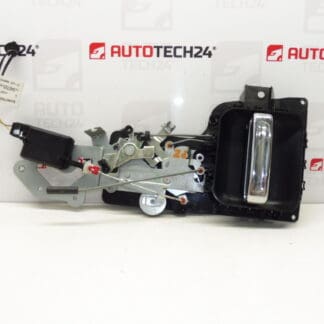
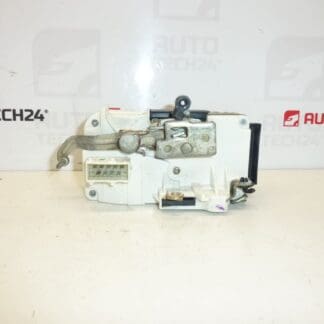
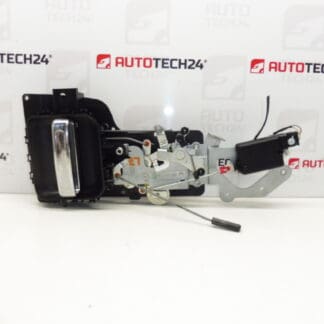
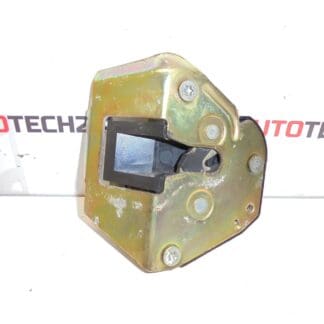
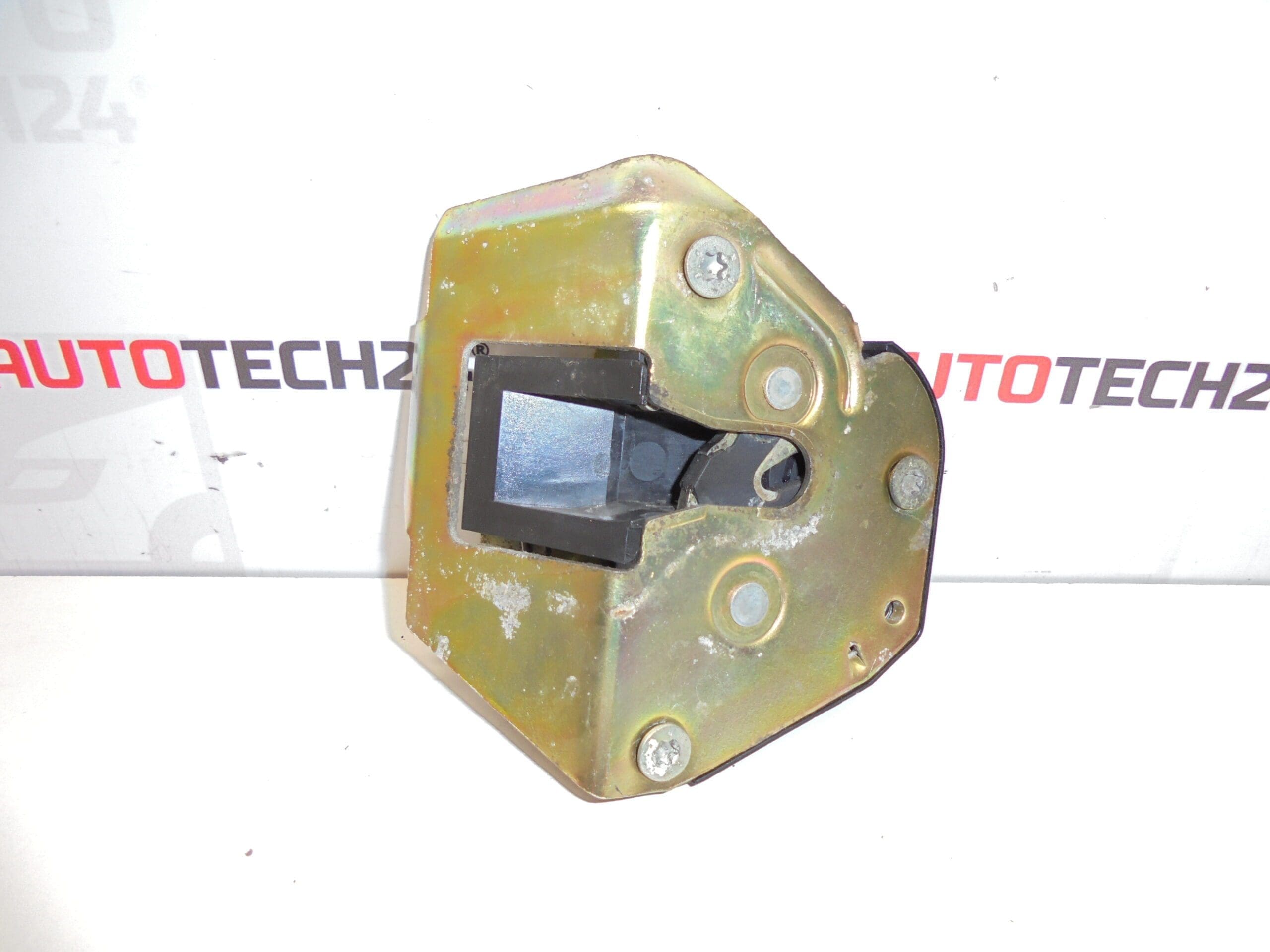
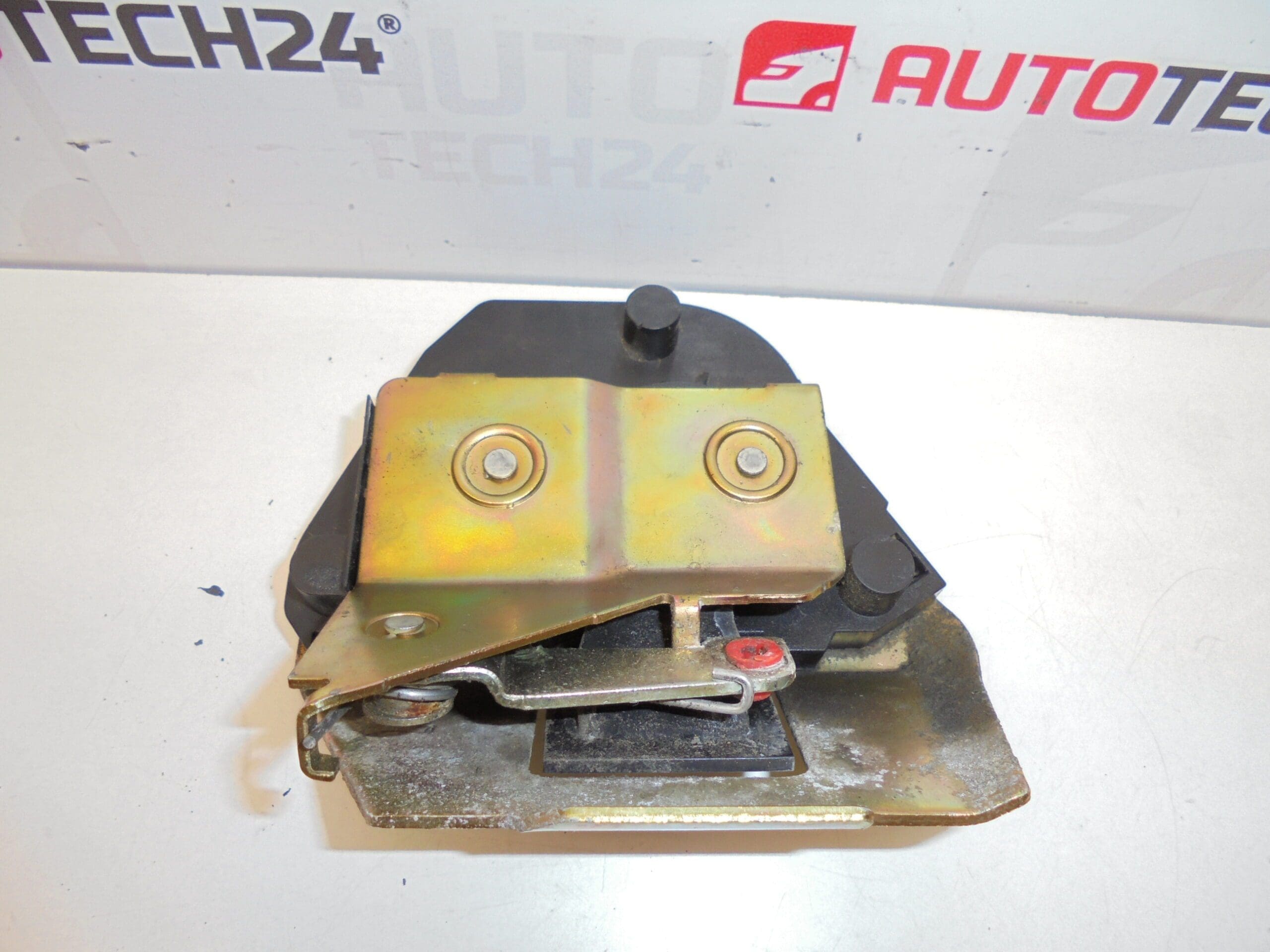
Lock For Left Rear Sliding Door For Citroën C8 And Peugeot 807.
This left rear sliding door lock (OEM reference 9137A7) is a direct-fit replacement designed for Citroën C8 and Peugeot 807 models. Built to restore secure closure, reliable central-locking operation and smooth sliding-door function, the unit is a common spare part sought by professional workshops and DIY enthusiasts alike—often searched by the part code 9137A7. Ideal for mechanics and self-repairers who need a robust solution that matches original equipment specifications.
Technical Information
- Manufacturer: Stellantis (Citroën/Peugeot OEM)
- Model: Citroën C8, Peugeot 807 (typical production years 2002–2014)
- Product Codes: 9137A7
- Other Numbers: No additional OEM numbers available in the supplied data
Function And Benefits
The lock secures the left rear sliding door, integrates with the vehicle’s central locking system and provides mechanical latching to prevent unintended opening while driving. Replacing a worn or damaged lock restores proper door alignment, prevents rattles and ensures reliable locking/unlocking by key, remote or interior switches.
How To Replace
Basic replacement steps (for experienced DIYers or professional technicians): remove the sliding-door interior trim to access the latch assembly; disconnect the electrical connector for the central-lock actuator; unbolt the lock from the door structure (retain any original screws or clips if in good condition); install the new unit, reconnect the electrical plug and test locking, unlocking and door travel; reassemble trim and verify final alignment. When in doubt, follow vehicle-specific workshop manual procedures and safety precautions.
Installation Recommendations
- Disconnect the negative battery terminal if working near electrical connectors to avoid short circuits during installation.
- Keep mounting fasteners clean and reuse OEM bolts if undamaged; replace corroded hardware.
- Check and, if necessary, adjust striker alignment so the door closes smoothly without excessive force.
- Lubricate moving latch points with a suitable dry or light grease to reduce wear and noise.
- After installation, cycle the door several times and verify central-lock operation from all controls.
Most Common Failure Causes
Typical reasons for lock failure include mechanical wear of pawls and springs, water or dirt ingress causing corrosion or jamming, broken plastic components inside the mechanism, and electrical faults in the actuator or connector for electrically assisted locks. Regular lubrication and protection from moisture extend service life, while violent impacts or repeated forced closures accelerate damage.