Description
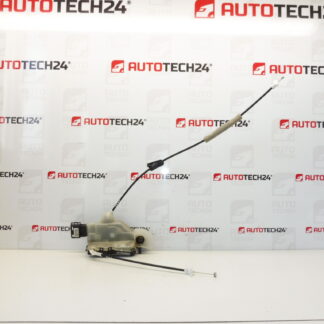
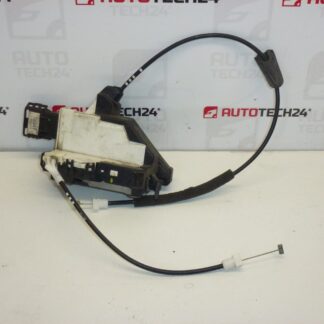
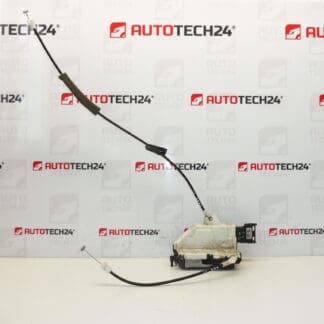
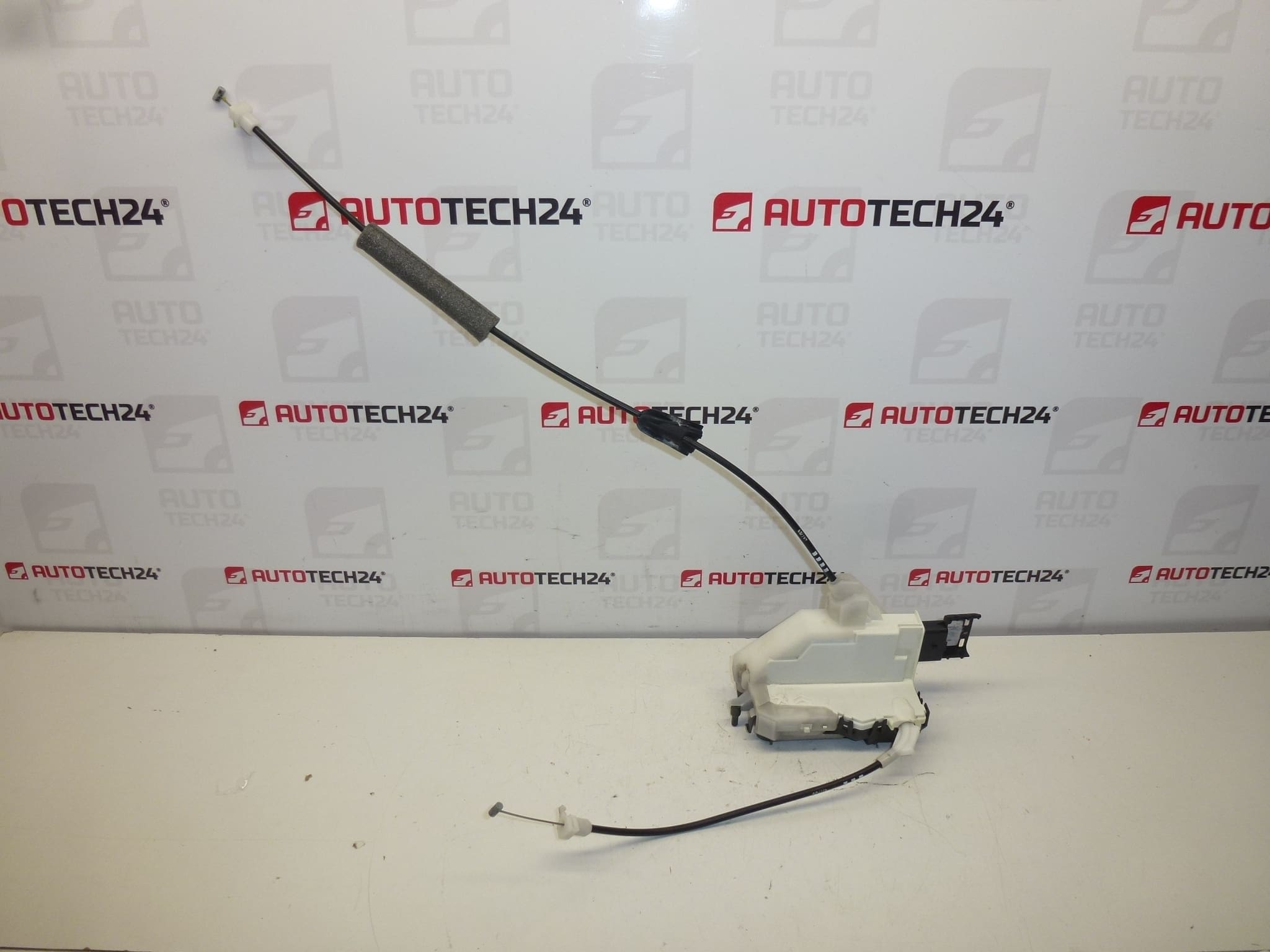
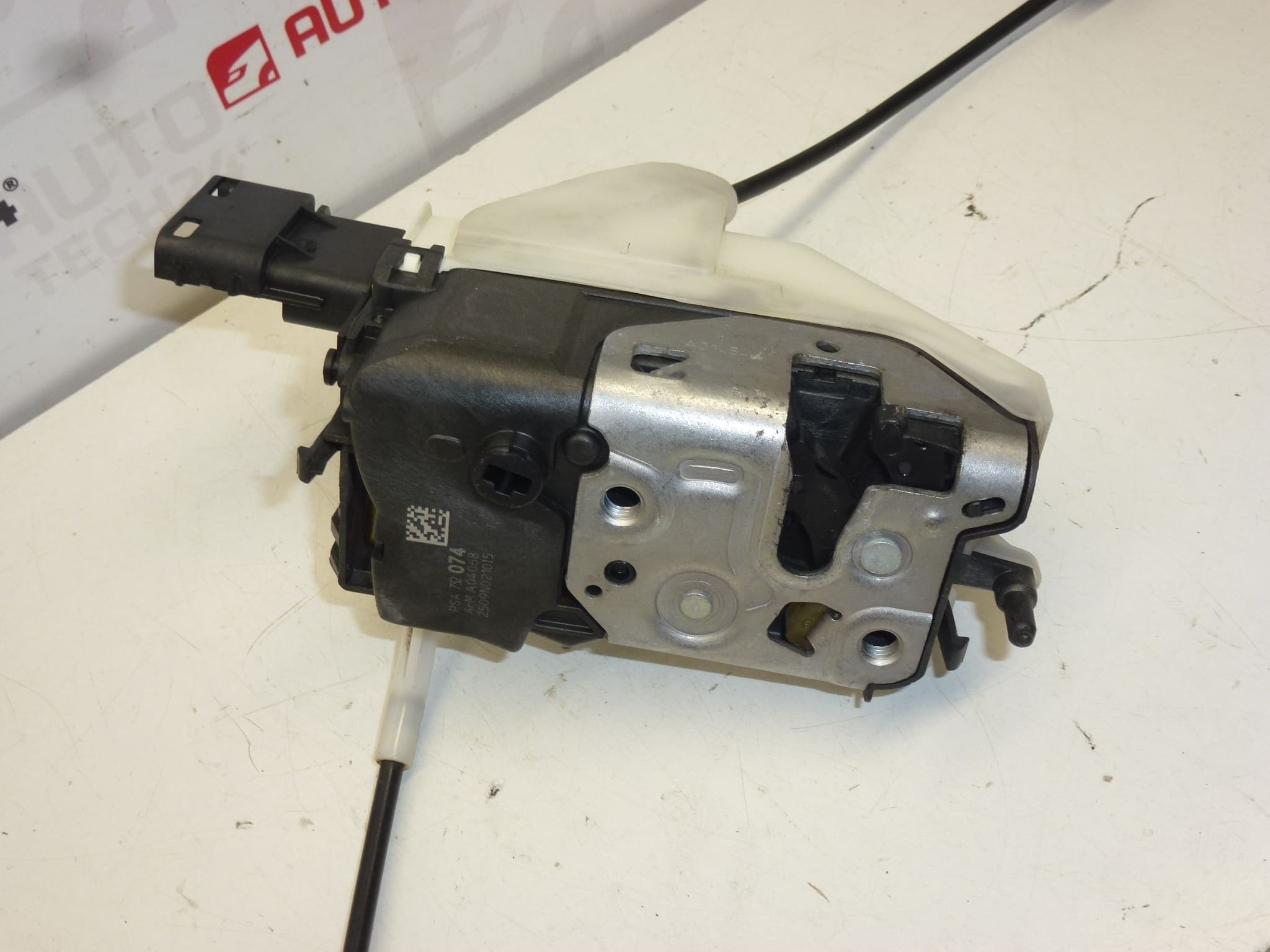
Electric central locking door lock for the front passenger door for Peugeot 308 vehicles.
Description
This electric front passenger door lock is a direct replacement part designed for Peugeot 308 models. It controls the central locking and latch mechanism of the front passenger door, ensuring secure closing and reliable remote locking/unlocking. Ideal for professional workshops and DIY mechanics who need a quality replacement using the original part references 732074 / 9136CR / 9800616580.
Features
- Electric central locking actuator integrated with the door latch for the front passenger side.
- OEM Reference Numbers: 732074, 9136CR, 9800616580 — commonly used when searching for compatible parts.
- Direct fit design for Peugeot 308 door assemblies without modification to door structure.
- Reliable mechanical latch with integrated electrical connector for central locking signal and position feedback.
Technical Information
- Manufacturer: Stellantis (Citroën/Peugeot)
- Model: Peugeot 308
- Product Codes: 732074, 9136CR
- Additional Numbers: 9800616580
Installation
Replacing the front passenger door lock requires basic trim removal and careful handling of the door’s internal components. Typical steps:
- Disconnect the negative battery terminal before starting work to avoid short circuits and protect the vehicle electronics.
- Remove the door trim and any clips or screws holding the inner panel. Peel back the water/vapor barrier carefully.
- Disconnect the electrical connector from the lock actuator and release the locking rods or cables attached to the latch.
- Unbolt the lock assembly from the door and remove it. Fit the new lock, reconnect rods/cables and the electrical plug, then secure fasteners to original positions.
- Reinstall the vapor barrier and door trim. Reconnect the battery and test the central locking, remote function and door latch operation several times.
Installation Recommendations
- Use appropriate trim tools to avoid damaging clips and interior panels.
- Check and, if necessary, replace worn clips, gaskets or damaged rods when fitting the new lock.
- After installation verify that the door closes smoothly and that the central locking cycles fully; adjust rod linkages if needed.
- If electrical faults persist after replacement, inspect the connector for corrosion and the wiring loom for breaks before replacing other components.
Common Failure Reasons
- Mechanical Wear: Plastic gears and latch components wear over time, leading to sticking or incomplete latching.
- Water Ingress and Corrosion: Moisture can penetrate the lock assembly causing corrosion or short circuits in the actuator.
- Actuator Motor Failure: The small electric motor inside the actuator can fail after extended use.
- Damaged Linkages: Bent or disconnected rods/cables prevent proper operation even if the lock unit is functional.
- Electrical Connector Issues: Corroded or loose connectors cause intermittent function or complete loss of central locking signal.
Typical Lifetime
Service life depends on usage and environment. Under normal conditions many door locks remain functional for several years; high mileage, frequent use, or exposure to moisture/salt can shorten lifespan. Inspect the mechanism during routine service intervals and replace at the first sign of sticking, noise or unreliable locking.
Who Should Install
Suitable for experienced DIY mechanics comfortable with door trim removal and basic electrical connectors. For diagnostics of electrical faults or complex central locking issues, professional workshop equipment and experience are recommended.