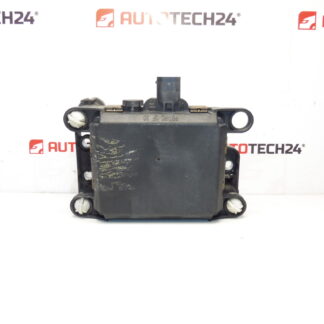
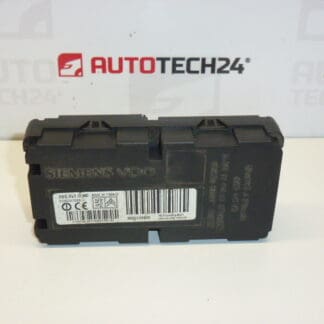
Description
Control Unit For Tire Pressure Monitoring For Peugeot 307
High-quality replacement control unit for the Tire Pressure Monitoring System (TPMS) tailored to Peugeot 307. Ideal for professional workshops and confident DIY mechanics who search by OE number (9655139880 / S120231300B / S120231300C). Restores correct tyre-pressure monitoring, eliminates dashboard TPMS warnings, and ensures safe driving by keeping the vehicle informed about underinflation or sensor faults.
Technical Information
- Manufacturer: Stellantis (Citroën / Peugeot)
- Model: Peugeot 307
- Product Codes: 9655139880, S120231300B, S120231300C
- Additional Numbers: 9655139880 | S120231300B
Features And Function
The TPMS control unit receives radio signals from wheel sensors, evaluates tyre pressure and temperature data, and communicates status and faults to the instrument cluster via the vehicle network. When the unit detects underinflation or sensor failure, it triggers a warning lamp and stores diagnostic trouble codes. Proper function of this module is essential for safety, fuel economy and tyre longevity.
Compatibility And Fitment
Designed For Peugeot 307 vehicles that use the listed OE numbers. Always match the product code (9655139880 / S120231300B / S120231300C) with the unit fitted in the vehicle. This module is commonly sought under these reference numbers — enter them in your parts search to verify fitment for your specific model.
Installation Recommendations
- Before starting, disconnect the vehicle battery to avoid short circuits and protect electronic modules.
- Access the control unit position by removing the appropriate trim panels (consult vehicle repair manual for exact location on Peugeot 307).
- Unplug electrical connectors carefully and remove any mounting screws or clips. Fit the replacement unit, secure fasteners and reconnect the connector.
- After mechanical installation, clear fault codes and perform sensor relearn or initialization with a diagnostic tool. A generic TPMS tool can often perform sensor relearn; full code clearing and advanced checks may require a PSA-compatible diagnostic device.
- Verify operation by checking the instrument cluster for TPMS warnings and by carrying out a short road test to confirm sensor communication.
Why This Part Most Often Fails
- Moisture Ingress And Corrosion: Water penetration or corroded connectors lead to intermittent or permanent electrical faults.
- Electrical Surges Or Short Circuits: Voltage spikes from poor battery connections or jump-starting can damage internal electronics.
- Physical Damage: Impact during repairs or from debris can crack the housing or damage connectors.
- Connector And Wiring Problems: Loose, damaged or oxidised connectors interrupt communication between sensors and the unit.
What To Check Before Replacement
- Check Relevant Fuses And Power Supply To The Unit.
- Inspect Connectors And Wiring For Corrosion Or Mechanical Damage.
- Verify That Wheel Sensors Have Battery And Transmit Signals (sensor batteries expire separately from the control unit).
- Scan For Diagnostic Trouble Codes To Confirm The Control Unit As The Fault Source.
Practical Tips For Workshops And DIY Mechanics
Keep the OE numbers (9655139880 / S120231300B / S120231300C) handy when ordering or checking compatibility. Replace corroded connectors and secure earths to prevent repeat failures. After replacement, always perform a full diagnostic check and sensor relearn to ensure the system reports correct pressure values and that no warning lamps remain on.