Description
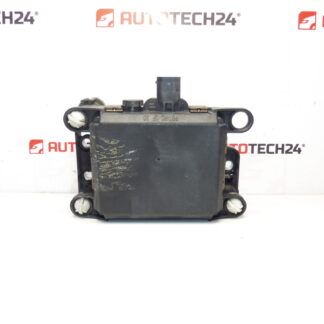
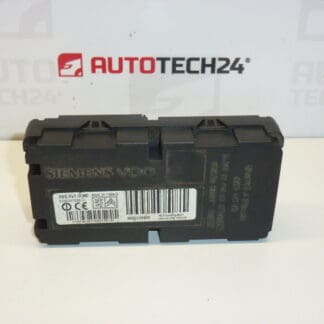
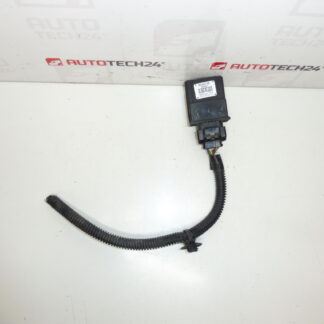
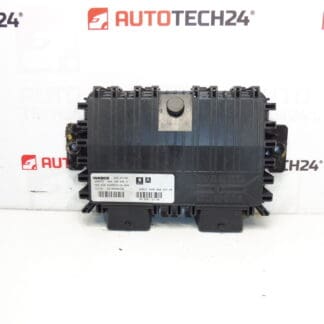
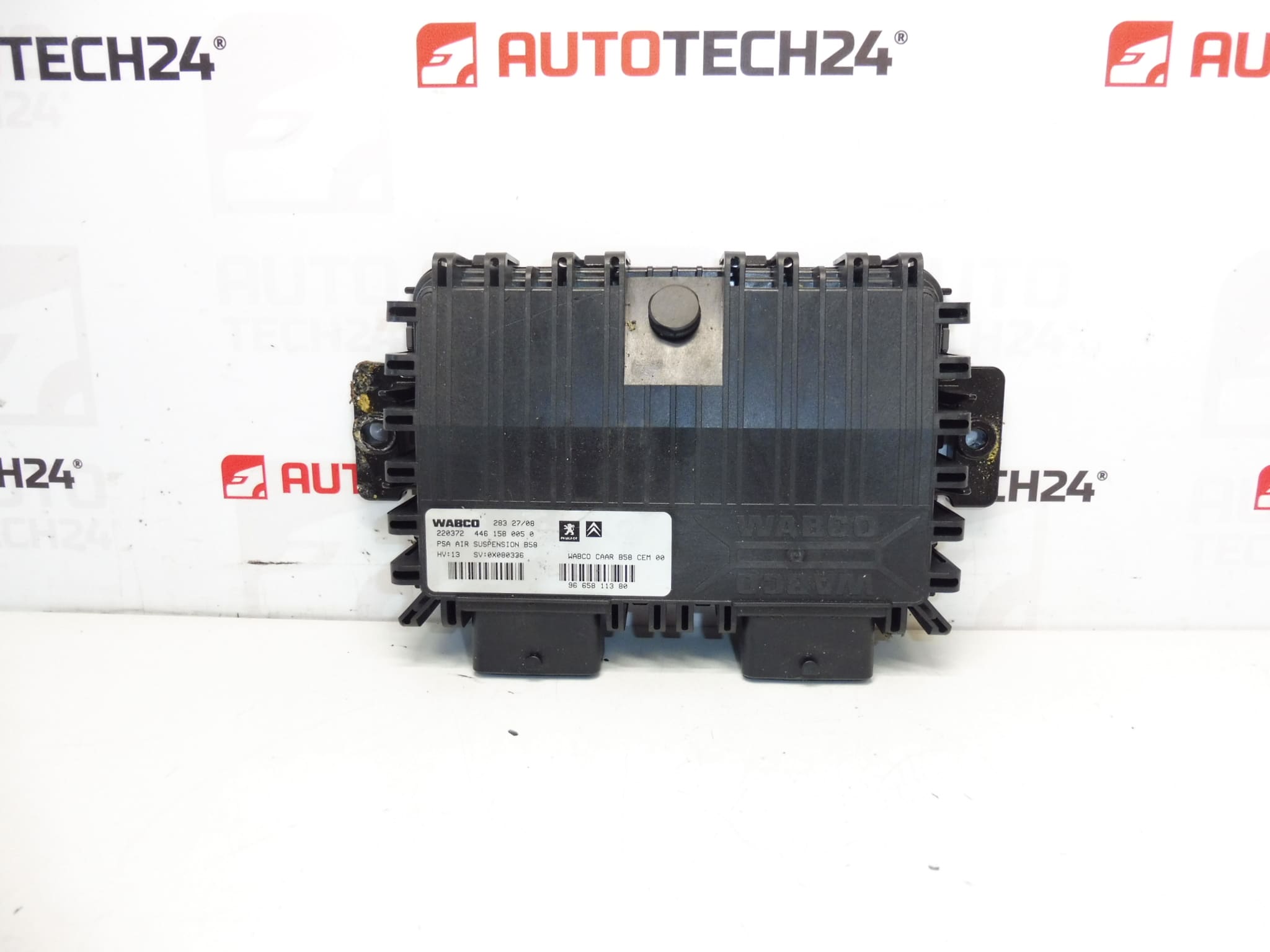
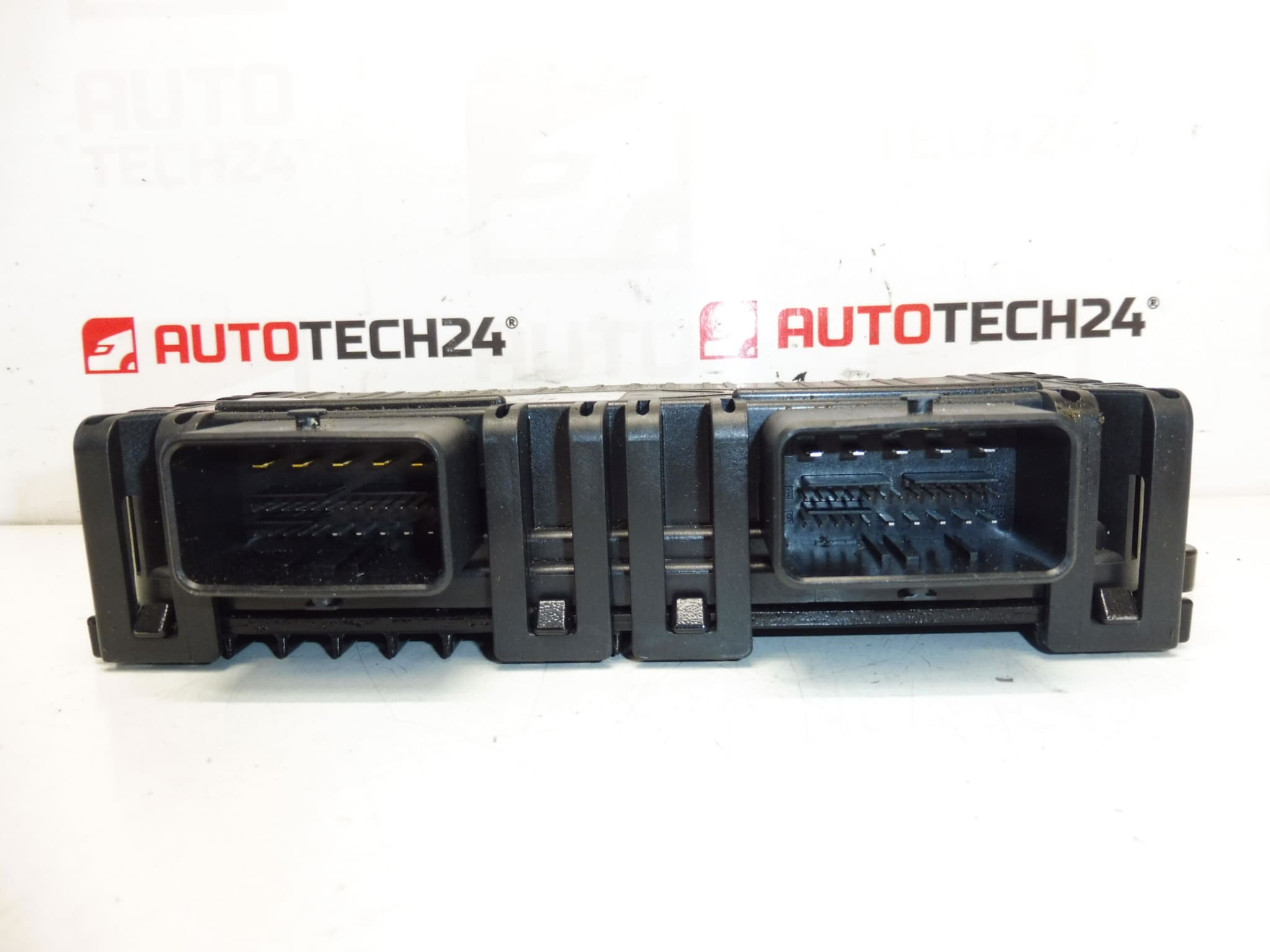
Control unit for the suspension system for Citroën and Peugeot vehicles. It is from a Citroën C4 Picasso.
This suspension control unit (ECU) is an essential electronic module that manages vehicle height and damping functions on compatible Citroën and Peugeot models. Supplied with manufacturer reference numbers commonly used in searches (9665811380, 0X080336, 5273N1, 5273P4, 5273N2), this unit is ideal for mechanics and experienced DIYers who need a direct replacement part identified by part code. Installing a correct suspension ECU restores proper ride height control, improves vehicle stability and restores fault-free communication with suspension sensors and actuators.
Function And Benefits
The unit monitors height/level sensors and sends commands to valves, pumps or actuators in electronic height control systems. Typical benefits after replacement include restored automatic leveling, elimination of dashboard suspension faults, improved ride comfort and prevention of further mechanical wear caused by incorrect ride height. Because buyers frequently search by product code, this listing highlights all known codes to help you find the exact match quickly.
How Replacement Is Performed
Replacement is straightforward for trained technicians but requires care with electrical connections and system calibration. Typical replacement steps:
- Park on a level surface, engage the handbrake and disconnect the vehicle battery before starting work.
- Access the unit (commonly located in a wheel arch, under the rear seat or inside a body trim panel depending on model) and remove protective covers and fasteners.
- Carefully unplug all electrical connectors—mark positions if needed—and remove mounting bolts.
- Install the new unit, secure fasteners to manufacturer recommendations, and reconnect the connectors ensuring clean contact surfaces.
- Reconnect the battery and perform diagnostic checks and any required calibration or initialization with a suitable diagnostic tool to clear faults and adapt sensors.
Installation Recommendations
- Always Disconnect The Battery Before Removal To Prevent Damage To The Module.
- Inspect Connectors And Wiring For Corrosion Or Damage And Repair As Necessary Before Fitting The New Unit.
- Use A Manufacturer-Compatible Diagnostic Tool To Clear Fault Codes And Perform Any Required Calibration Or Initialization After Fitting.
- Do Not Expose The Unit To High-Pressure Washers Or Excessive Moisture During Installation.
- If You Are Not Confident With Diagnostics Or Electronic Calibration, Have The Final Setup Performed By A Qualified Technician.
Most Common Causes Of Failure
- Water Ingress And Corrosion Of Connectors Or Internal Electronics Leading To Intermittent Faults.
- Electrical Surges Or Short Circuits From Faulty Wiring Or Aftermarket Equipment.
- Connector Damage From Vibration Or Incorrect Handling During Repairs.
- Age-Related Electronic Component Degradation On High-Mileage Vehicles.
- Faults In Related Sensors Or Actuators That Cause The ECU To Go Into Protection Mode.
Technical Information
- Manufacturer: Stellantis (Citroën / Peugeot)
- Model: Citroën C4 Picasso (source vehicle)
- Product Codes: 9665811380, 0X080336, 5273N1, 5273P4, 5273N2
- Other Numbers: 5273N1, 5273N2, 5273P4, 9665811380
Note For Professionals: This control unit is commonly identified by the product codes listed above. Confirm that the part number on the replacement unit matches the number required for the vehicle before installation. Proper diagnostic calibration after installation ensures the suspension system returns to normal operation and prevents recurring fault codes.