Description
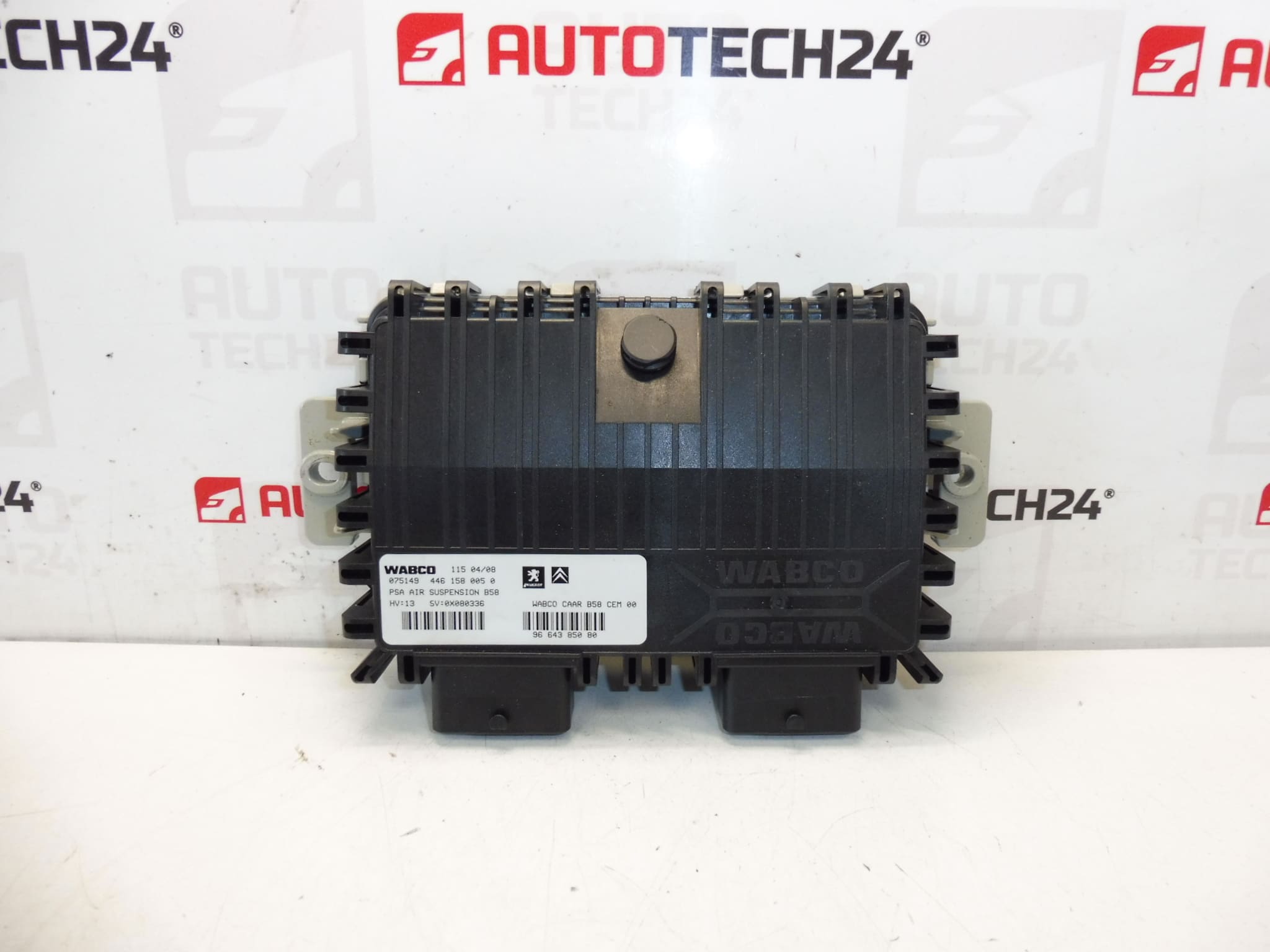
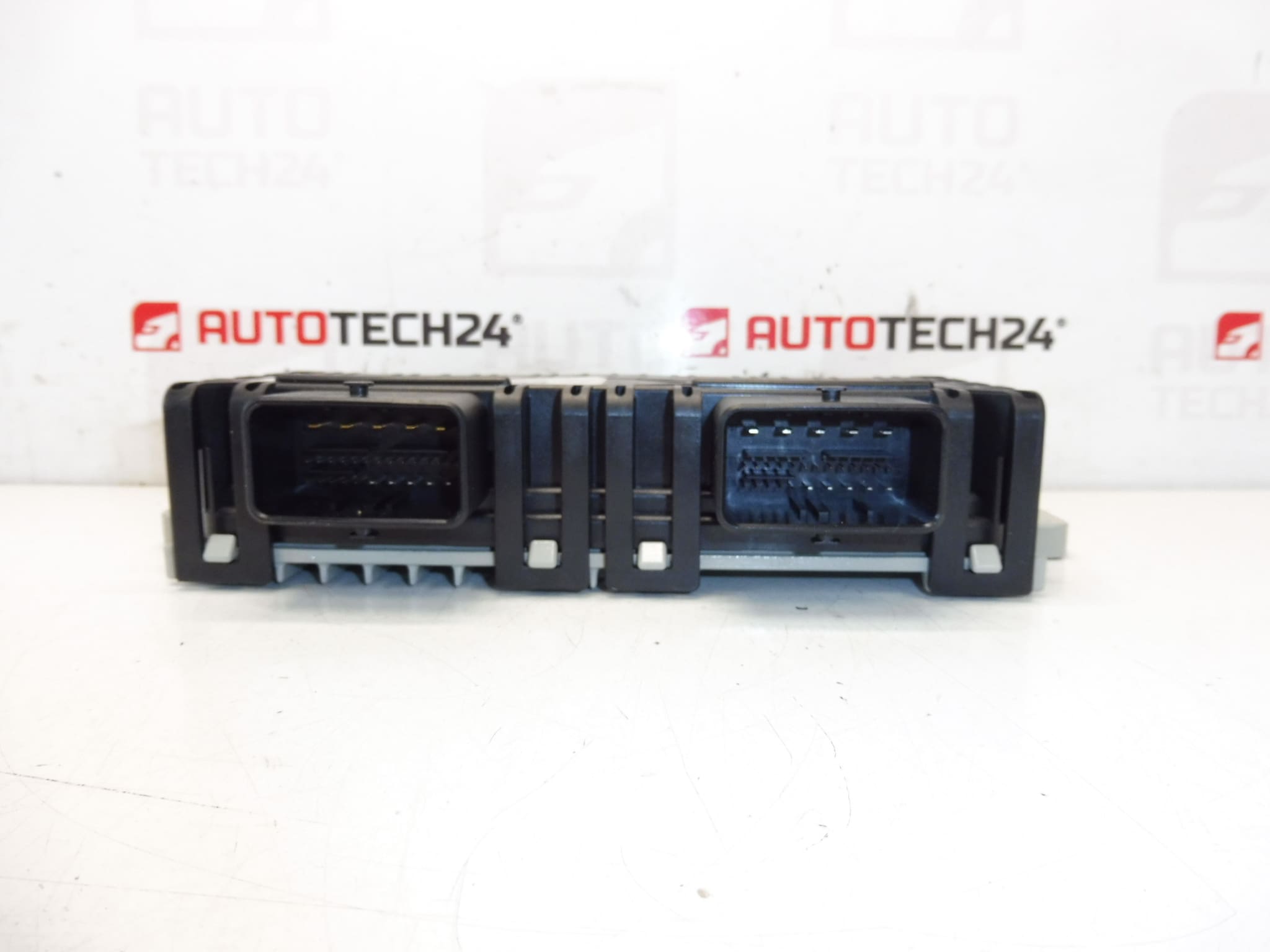
Suspension system control unit for Citroën and Peugeot vehicles. It is from a Citroën C4 Picasso.
This suspension control unit (ECU) is designed to manage and regulate the vehicle’s suspension functions, improving ride comfort and stability. It is commonly referenced with OE number 9664385080 and internal codes 5273N1, 5273P4 and 5273N2. The unit is suitable for technicians and DIY mechanics who need a direct replacement part for Citroën and Peugeot models that use these references. Including clear product codes in the listing increases findability for customers searching by part number.
Function And Application
The unit Processes Signals From Ride Height And Speed Sensors And Sends Commands To Suspension Actuators And Valves To Maintain Correct Vehicle Level And Damping Characteristics. It Communicates With Other Vehicle Control Modules To Coordinate Stability Systems. Typical Applications Include Vehicles Equipped With Height-Adaptive Or Electronically Controlled Suspension, Where Precise Control Of Ride Height And Response Is Required.
Technical Information
- Manufacturer: Stellantis / Citroën / Peugeot
- Model: Citroën C4 Picasso (Source Vehicle)
- Product Codes: 9664385080
- Additional Numbers: 5273N1, 5273P4, 5273N2
Replacement And Installation
Replacement of the Suspension Control Unit Should Be Carried Out By A Mechanic Or An Experienced DIYer Comfortable With Vehicle Electronics. Typical Steps:
- Disconnect The Battery Before Starting To Prevent Short Circuits And Protect Electronic Components.
- Locate The Unit According To The Vehicle’s Service Manual — Access May Require Removal Of Interior Trim Or Engine Bay Covers.
- Carefully Unplug Electrical Connectors And Remove Mounting Fasteners. Inspect Connectors And Wiring For Corrosion Or Damage.
- Install The New Unit, Secure Fasteners, Reconnect Plugs And Reconnect The Battery.
- Verify System Operation And Clear Any Fault Codes Using A Compatible Diagnostic Tool. Some Vehicles May Require Initialization Or Adaptation Procedures After Replacement.
Installation Recommendations
- Always Disconnect The Battery Before Removal And Reconnection To Avoid Damaging The Unit.
- Protect Connectors From Moisture And Clean Corroded Contacts Prior To Reinstallation.
- Use Proper Tools And Follow Manufacturer Torque Specifications For Fasteners.
- Perform A Full System Check With A Diagnostic Scanner After Installation To Confirm Correct Operation And To Reset Fault Codes.
- If Uncertain About Coding Or Initialization Steps, Seek Assistance From A Technician With PSA Diagnostic Equipment.
Why This Part Commonly Fails
Common Failure Causes Include Water Ingress And Corrosion Of Electrical Connectors, Electrical Surges Or Short Circuits, Mechanical Damage From Road Debris Or Improper Handling, And Age-Related Wear Of Internal Electronic Components. Fault Symptoms Can Include Incorrect Ride Height, Fault Codes Related To Suspension Sensors Or Actuators, And Intermittent Communication Errors With Other Control Modules.
Notes For Buyers
Search By OE Or Internal Codes (9664385080, 5273N1, 5273P4, 5273N2) To Ensure You Locate The Correct Unit. The Unit Originates From A Citroën C4 Picasso And Is Supplied As Shown In The Listing.