Description
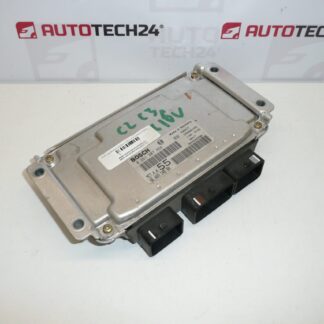
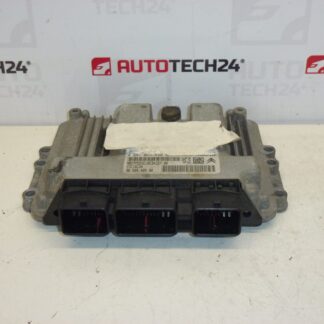
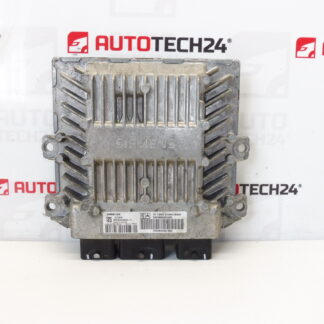
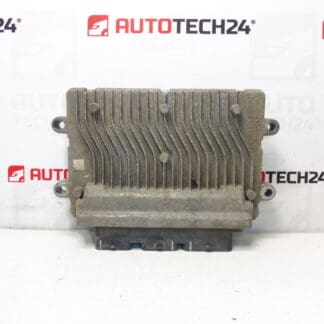
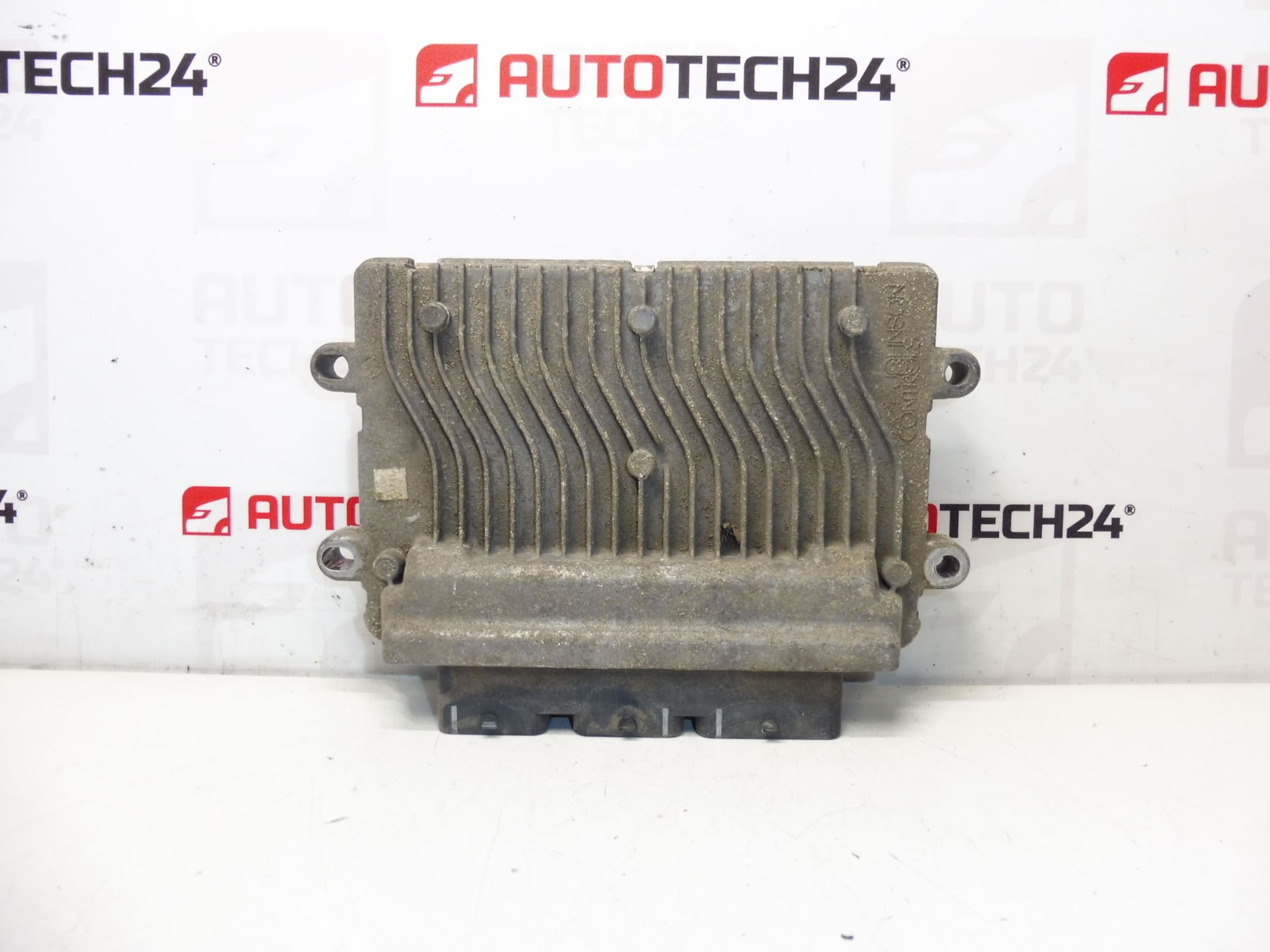
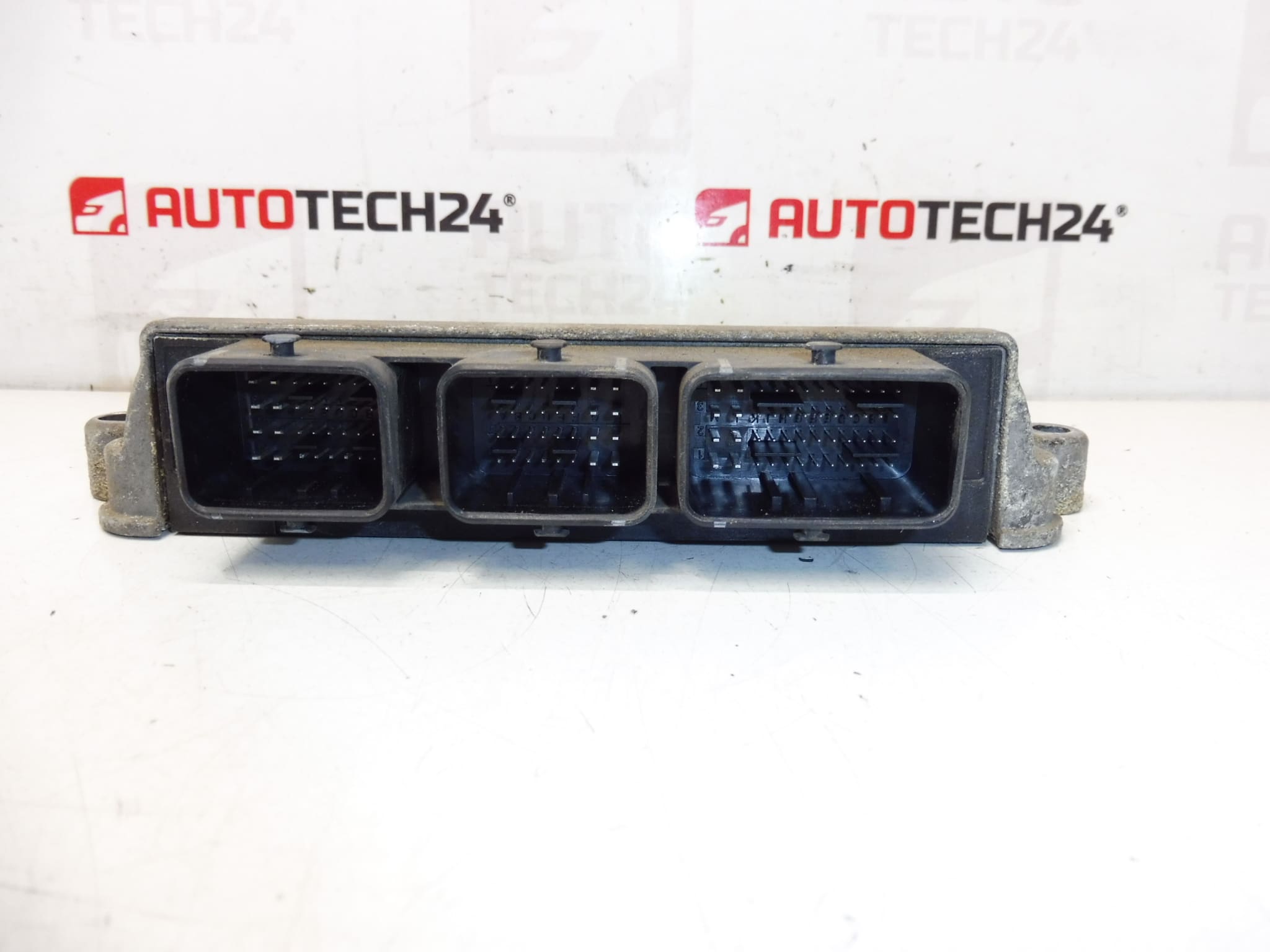
JOHNSON CONTROLS J34P engine injection control unit for CITROEN PEUGEOT cars
It is from a PEUGEOT 206 2006 1.4 55kw KFW
Part description
This injection control unit is intended for Citroën and Peugeot cars and is also searched for J34P and numbers 9655883280, 9661978880, 194222 and 1943PE. It is an important electronic part for proper engine control, which will be appreciated by both auto mechanics and home repairers looking for a specific original used part according to the code.
The advantage is clearly traceable markings and origin from the Peugeot 206 car, which facilitates comparison with the existing unit. When replacing, it is always essential that the product numbers and markings on the original part match.
Technical information
Product codes
- Product codes: 9655883280, 9661978880, 194222, 1943PE
- Models from labels and documents: Peugeot 206
Installation recommendations
Warning: the procedure below is generally valid for replacing the injection control unit. The exact steps may vary depending on the specific car design and access to the unit.
1) Before assembly
- Compare the old and new part by all labels, especially J34P, 9655883280 and 9661978880.
- Check the condition of the connectors, pins and body of the unit. The contacts must not be oxidized, bent or mechanically damaged.
- Check for damage to the unit’s packaging, bracket or mounting points.
- Before any manipulation, turn off the ignition and prepare the vehicle for the safe removal of the electronic part.
2) Necessary tools and materials
- basic set of hand tools
- screwdrivers and socket wrenches according to the type of attachment
- clean cloth
- cleaning agent for electrical contacts, if applicable
- protective gloves
- diagnostic equipment for possible adaptation of the unit
3) Step-by-step assembly procedure
- Turn off the ignition and disconnect the vehicle battery.
- Provide access to the original injection control unit.
- Remove the connectors carefully so as not to damage the latches or pins.
- Unmount the original unit and remove it from the bracket.
- Compare the original and supplied part according to labels, connectors and cabinet design.
- If necessary, gently clean around the connectors and check their condition.
- Place the used unit in place and secure it properly.
- Connect all connectors so that they are fully seated and secure.
- Reconnect the battery.
- Perform a basic power and communication check of the unit.
- If necessary for the given car, provide the necessary diagnostic adjustment.
- After assembly, verify that the car responds correctly to turning on the ignition and that there are no communication errors.
-
4) Post-assembly checks and test drive/function verification
- Check that the connectors are firmly seated and the unit is properly attached.
- Verify the basic operation of the system after turning on the ignition.
- Using the diagnostics, check the unit’s communication and any stored faults.
- After successful commissioning, perform a test verification of the vehicle’s function in normal operation.
5) The most common assembly mistakes + how to avoid them
- Part exchange based on incomplete marking – always compare all numbers on the label, not just part of the code.
- Assembly without disconnecting the battery – may lead to damage or communication problems with electronic parts.
- Damage to connectors – never force connectors loose and always check latches.
- Overlooking the need for diagnostic adjustment – professional commissioning is often necessary for control units.
- Mounting in a dirty or humid environment – before installing the unit, keep the connectors and the surrounding area clean and dry.
Assembly and Coding – Important
– The unit is used and is “paired” with the original car (VIN/PIN/keys).
– Commissioning options:
1) Cloning data from the old drive (EEPROM/Flash) – after the clone, the drive is plug and play.
2) Virginization and subsequent initialization/telecoding via DiagBox (possibly online) + customization of keys.
– Recommended to be performed by a specialist with PSA service equipment (DiagBox/Lexia/PP2000).
– Always disconnect the battery before disassembly/assembly and follow the manufacturer’s procedure to avoid damaging the unit.Reasons why the part is damaged
- voltage fluctuations in the on-board network or power supply problems
- moisture, oxidation of contacts and leakage into the electronics area
- mechanical damage during unprofessional disassembly or assembly
- damaged connectors, wiring or bad contact in the connection
- improper handling of the unit without disconnecting the battery
- age of components and long-term thermal stress