Description
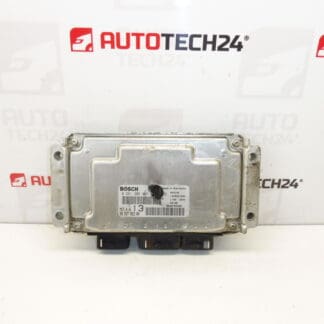
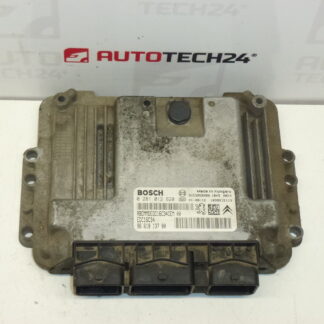
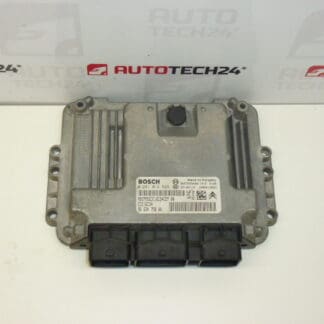
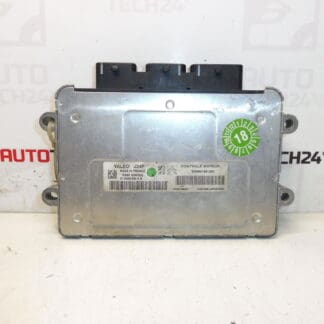
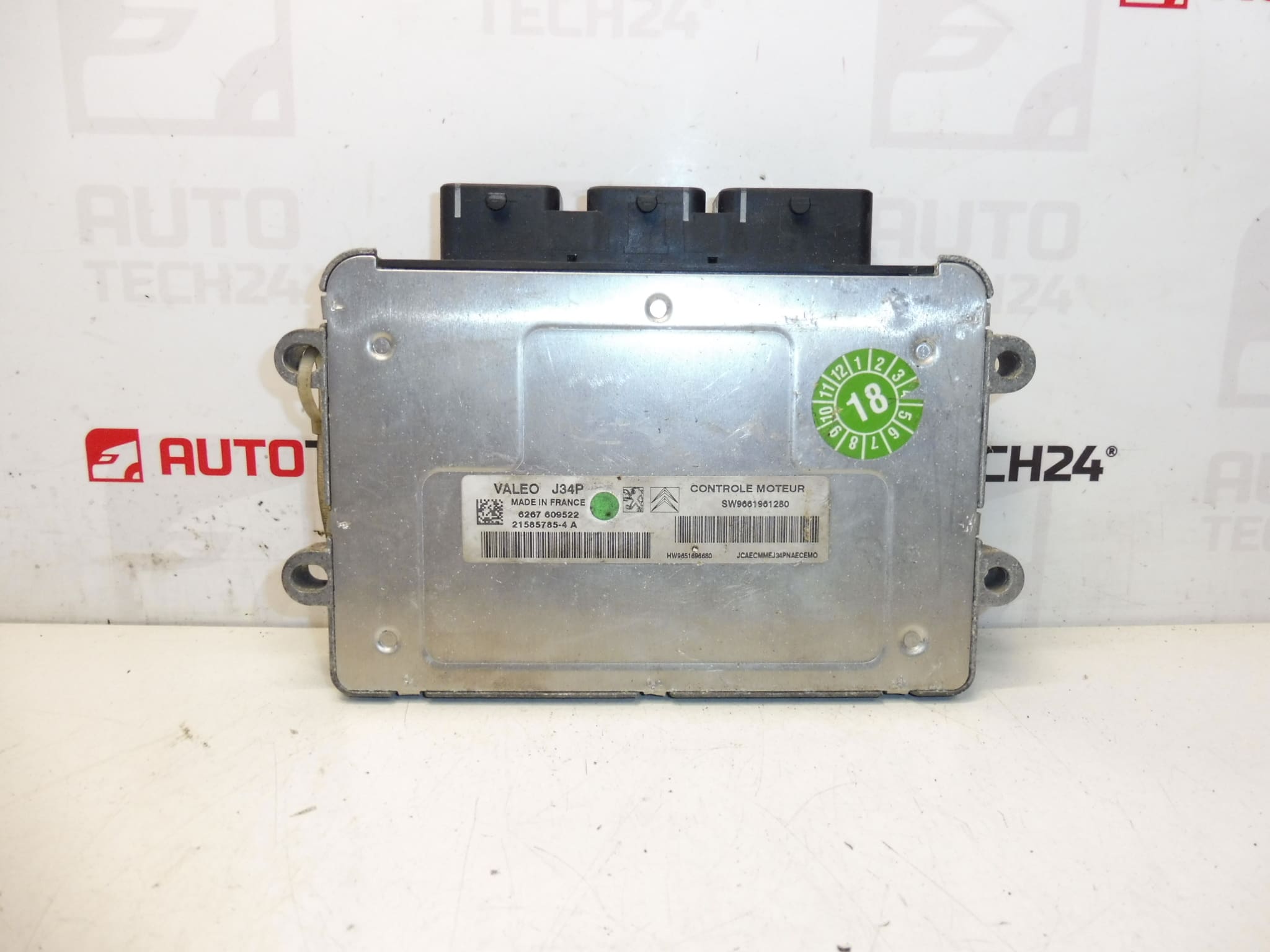
VALEO J34P engine injection control unit for CITROEN PEUGEOT cars
It is from a Citroen C3 2006 1.1 44kw HFX
Part description
This injection control unit Valeo J34P is a used genuine auto part designed for Citroën and Peugeot cars. It is an important electronic component of the engine control, which processes and evaluates operating data for the correct function of the injection.
The part is often searched primarily according to production designations and unit numbers, therefore, when choosing, it is advisable to compare all the listed codes with the existing part in the vehicle. It is a practical choice for auto mechanics and home repairers when replacing the original ECU after a failure or when looking for a replacement original part.
According to the supplied documents, this piece comes from a Citroen C3 2006 1.1 44 kW HFX. The labels also include Citroën C2, Citroën C3 and Peugeot 207 models.
Technical information
- Manufacturer: Valeo
- Model: J34P
- Other numbers: 9651696680, 9661961280, 1939HQ, 1943HG, 1942Y1, NFP
Product codes
- Product codes: 9651696680, 9661961280, 1939HQ, 1943HG, 1942Y1
- Model names: Citroën C2, Citroën C3, Peugeot 207
Installation recommendations
This part is an injection control unit. The exact replacement procedure may vary by car model and make, but below is a practical procedure and guidelines that are commonly used for this type of part.
1) Before assembly
- Check that the manufacturer, unit type and all label numbers match the old unit.
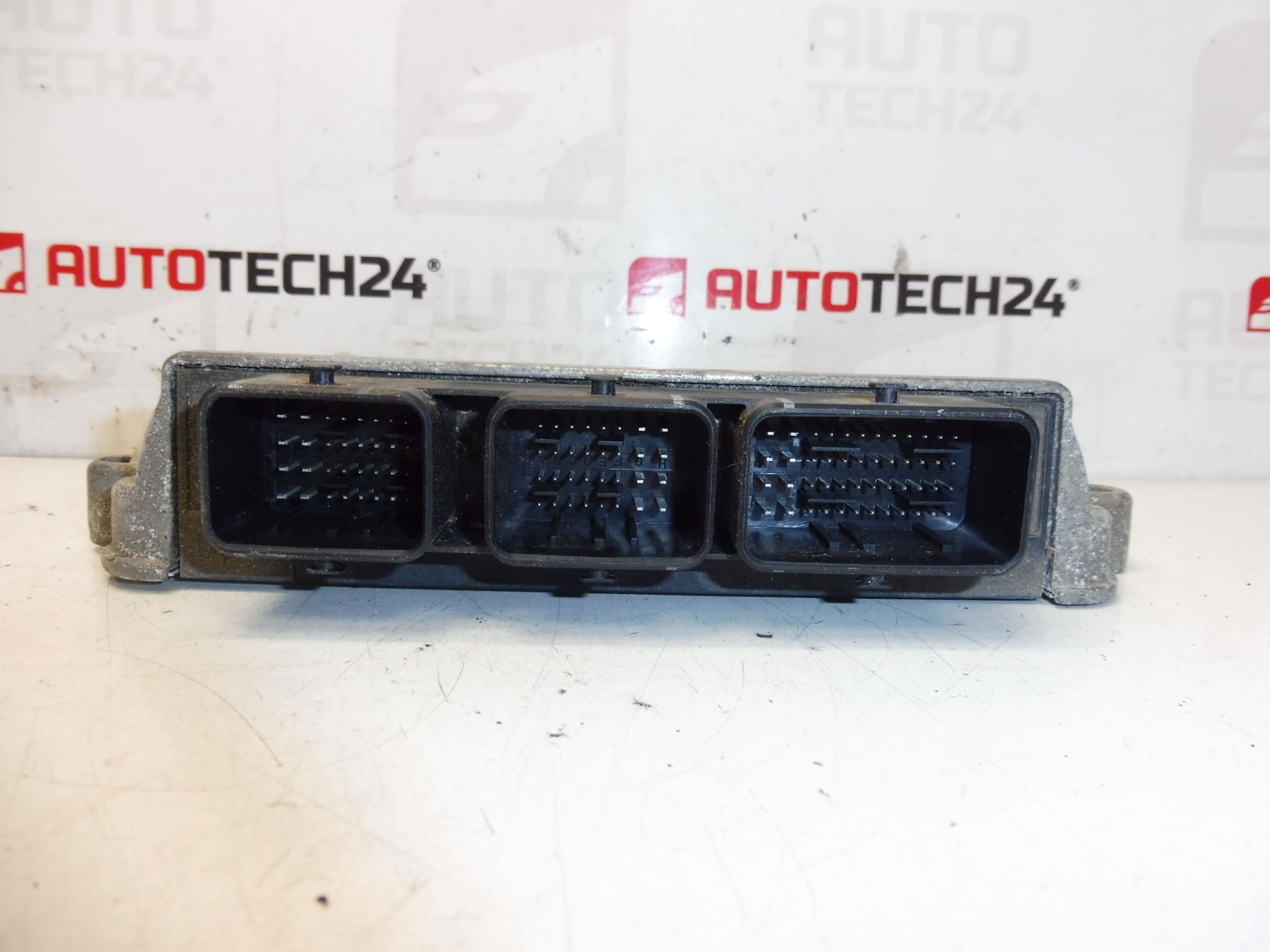
- Compare the connectors, their number, shape, securing and overall condition of the sockets.
- Inspect the unit case for cracks, oxidation or mechanical damage.
- Check that the pins in the connectors are not bent, dirty or pushed in.
- Before the installation itself, it is advisable to check the condition of the wiring and connectors in the vehicle, so that the newly installed part is not damaged by a hidden installation defect.
2) Necessary tools and materials
- regular set of hand tools
- screwdrivers or bits depending on the type of fastening
- ratchet and suitable attachments
- cleaning agent for electrical contacts
- protective gloves and possibly antistatic precautions during handling
3) Step-by-step assembly procedure
- Turn off the ignition and leave the vehicle in idle mode.
- Disconnect the battery according to normal safety procedure for working with vehicle electronics.
- Get access to the original injection control unit.
- Carefully release the connectors so as not to damage the locking mechanisms.
- Remove the original unit from the bracket or mount.
- Compare the old and new unit side by side, especially the label, numbers and connector design.
- If necessary, gently clean the connectors and check their dry and clean condition.
- Mount the used unit in its original location and properly seat it in the holder.
- Connect all connectors without using excessive force and verify that they are fully secured.
- Reconnect the battery.
- Perform a basic check after switching on the ignition and observe that the unit communicates without obvious defects.
- If necessary for a specific vehicle, ensure subsequent software adaptation with specialist diagnostic equipment.
-
4) Post-assembly checks and test drive/function verification
- Check that the connectors are properly seated and secured.
- After switching on the ignition, observe whether there are any non-standard electronic manifestations.
- After starting, verify the stable operation of the engine and the basic function of the injection system.
- If the vehicle is drivable, carry out a short function check in normal operation and check that the original symptoms of the fault do not return.
- It is advisable to carry out a diagnostic check, especially if the unit was changed from another car.
5) The most common assembly mistakes + how to avoid them
- Swap by incomplete number – always match all numbers from the label, not just part of the label.
- Assembly with battery connected – always disconnect the vehicle’s power supply when working with the control unit.
- Damage to connectors – never force connectors and always check for security.
- Underestimation of the need to adapt the unit – used ECUs may require professional intervention for proper commissioning.
- The unit is used and is “paired” with the original car (VIN/PIN/keys).
- Commissioning options:
- Cloning data from the old drive (EEPROM/Flash) – after the clone, the drive is plug and play.
- Virginization and subsequent initialization/telecoding via DiagBox (possibly online) + customization of keys.
- Recommended to be performed by an expert with PSA service equipment (DiagBox/Lexia/PP2000).
- Always disconnect the battery before disassembly/assembly and follow the manufacturer’s procedure to avoid damaging the unit.
- Moisture and oxidation – a common cause of problems with electronic units and connectors.
- Overvoltage in the electrical system – inappropriate handling of the battery or charging failures can damage the electronics.
- Damaged wiring – short circuit, transient resistances or broken insulation can lead to unit malfunctions.
- Mechanical stress – vibrations, impacts or careless disassembly can damage the packaging and connectors.
- Long-term thermal load – electronic components can degrade over time due to operating temperatures.
Assembly and Coding – Important