Description
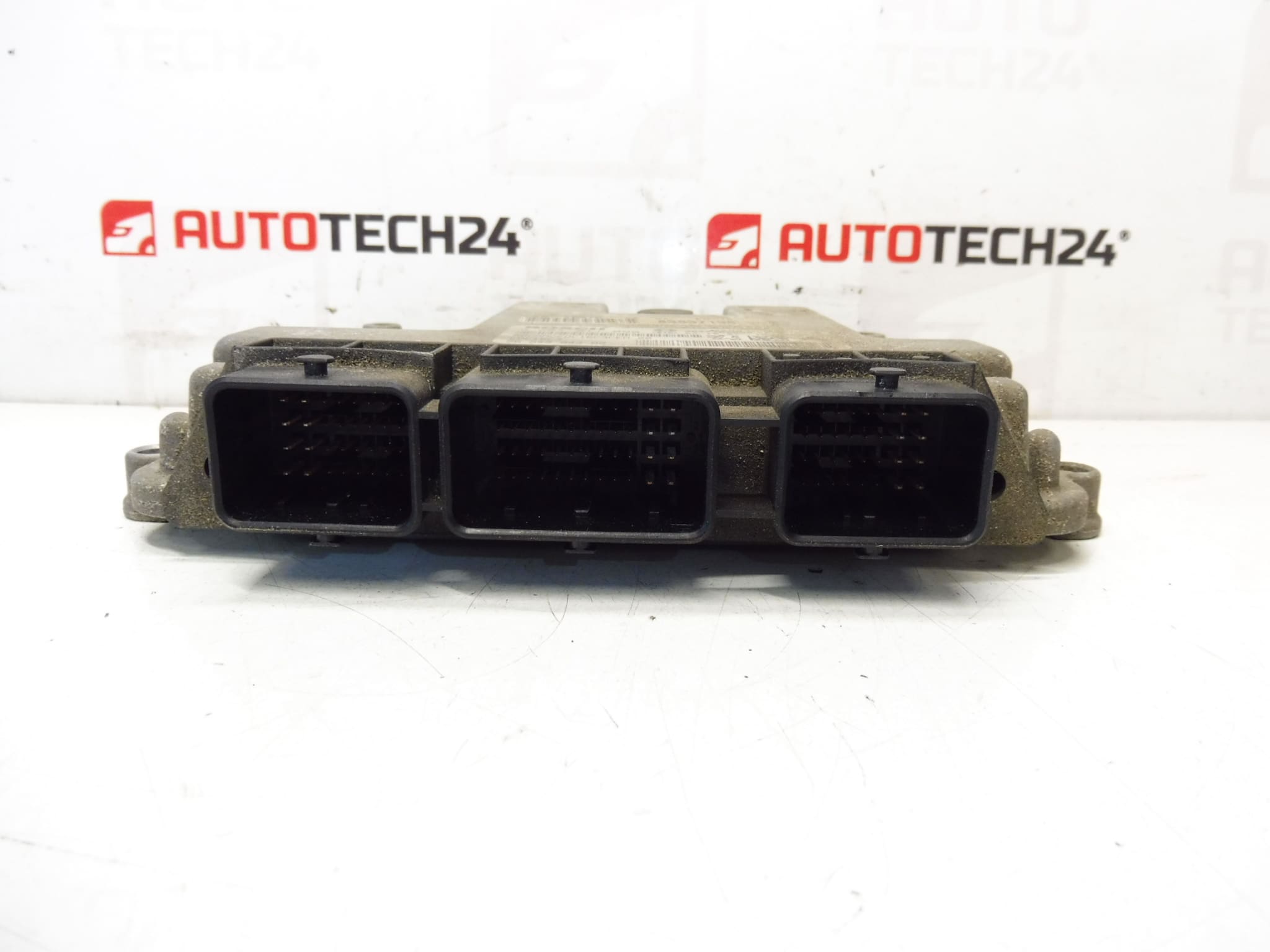
Bosch Engine Control Unit for Peugeot 307 1.4 HDi
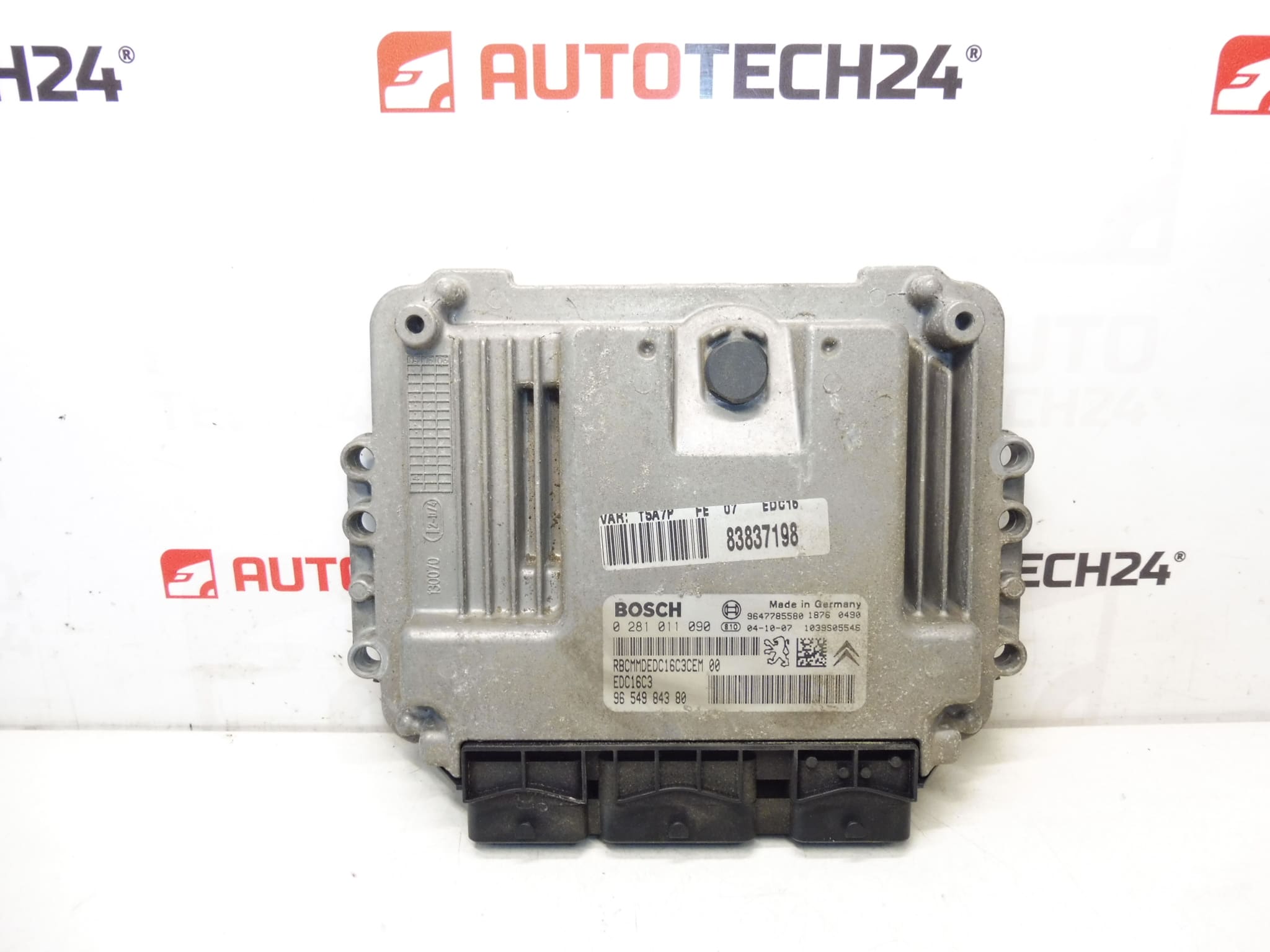
This Bosch EDC16C3 engine control unit (ECU) is a direct replacement option for Peugeot 307 1.4 HDi engines and is commonly referenced under OE and aftermarket numbers such as 0281011090, 9654984380 and 9647785580. Designed for professional mechanics and experienced DIYers, this unit controls critical engine functions including fuel injection timing, air management, EGR and onboard diagnostics. The listing includes the most used product identifiers to help rapid lookup and compatibility checks by part number.
Key Features
– Bosch EDC16C3 platform: proven architecture for diesel engine control.
– Controls fuel injection maps, timing, idle regulation and diagnostic fault reporting.
– Compatible with standard Peugeot engine sensors and actuators used on 1.4 HDi applications.
– Supplied with common reference numbers to simplify identification and ordering.
Technical Information
- Manufacturer: Bosch
- Model: EDC16C3 / Engine Control Unit For Peugeot 307 1.4 HDi
- Product Codes: 0281011090, 281011090
- Additional Numbers: 9654984380, 9647785580, 1940WN, 1940WP, NFP
Compatibility
Typical application: Peugeot 307 with 1.4 HDi diesel engines. Use the OE and supplier numbers above to confirm fitment for your specific sub‑model and engine variant. These identifiers are frequently used by workshops when sourcing replacement ECUs.
How The Unit Functions
The ECU governs injection timing, rail pressure commands (where applicable), idle control, intake charge management and emission-related actuators such as the EGR. It processes sensor inputs (MAF/MAP, crank/cam sensors, coolant and intake temperature sensors, rail pressure/supply sensors) and outputs control signals to injectors, high‑pressure pumps, EGR valves and actuators. It also stores diagnostic trouble codes for fault finding via standard diagnostic tools.
Replacement Procedure (Overview)
1. Always disconnect the battery before starting to avoid electrical damage and follow vehicle manufacturer safety procedures.
2. Locate and remove any protecting covers to access the ECU (often in the engine bay or behind glovebox depending on vehicle configuration).
3. Unplug all electrical connectors and remove mounting screws. Handle the ECU carefully to avoid static or moisture damage.
4. Install the replacement unit mechanically and reconnect all harnesses. Ensure connectors are fully seated and locked.
5. Follow the installation and coding steps described below — cloning or coding is typically required to restore full functionality.
Installation And Coding – Important
- The Unit Is Used And Is “Paired” With The Original Vehicle (VIN/PIN/Keys).
- Options For Commissioning:
- Cloning Data From The Old Unit (EEPROM/Flash) – After Cloning The Unit Is Plug And Play.
- Virginization And Subsequent Initialization/Telecoding Via DiagBox (Or Online) + Key Adaptation.
- Recommended To Be Performed By A Specialist With PSA Service Equipment (DiagBox/Lexia/PP2000).
- Always Disconnect The Battery Before Removal/Installation And Follow Manufacturer Procedures To Avoid Damaging The Unit.
Why These Units Fail Most Often
Common causes of ECU failure include water ingress and corrosion, thermal stress and solder‑joint fatigue, voltage spikes or faulty alternator/regulator parts, and damage from poor connector contacts. Some symptoms reported in failing units are intermittent stalling, hard starting, loss of fuel pressure control, or storage of engine management fault codes. In many cases, the ECU is diagnosed after related sensors or wiring faults have been excluded.
Recommendations For Installation
- Perform a full electrical check of wiring, grounds and sensors before declaring an ECU defective.
- Replace any damaged connectors, pins or sealing grommets to prevent future moisture ingress.
- If cloning is chosen, ensure the donor unit has matching hardware and the cloning is performed with reliable tools and software.
- After installation and coding, clear DTCs and verify operation under load; perform a road test to confirm normal behavior.
Notes For Buyers
The listing prominently includes OE and supplier numbers to ease identification: 0281011090, 9654984380, 9647785580, 1940WN, 1940WP. Ideal for workshops and experienced DIY technicians who can perform or supervise coding/cloning steps. This unit is intended as a replacement ECU for compatible 1.4 HDi Peugeot 307 applications; always match the part numbers listed here to your vehicle’s existing ECU label before purchase.