Description
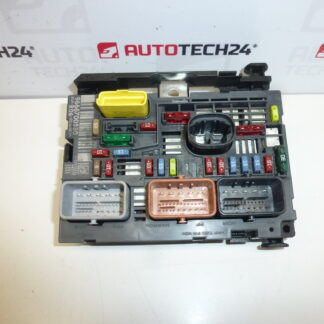
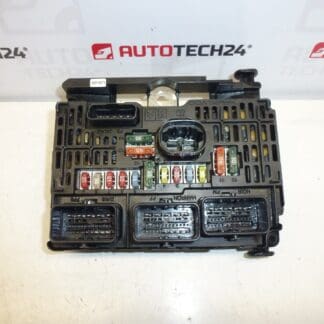
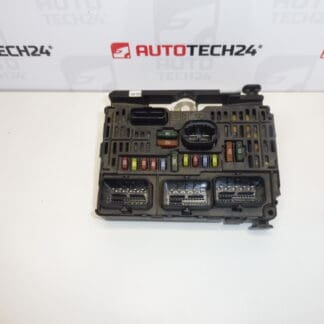
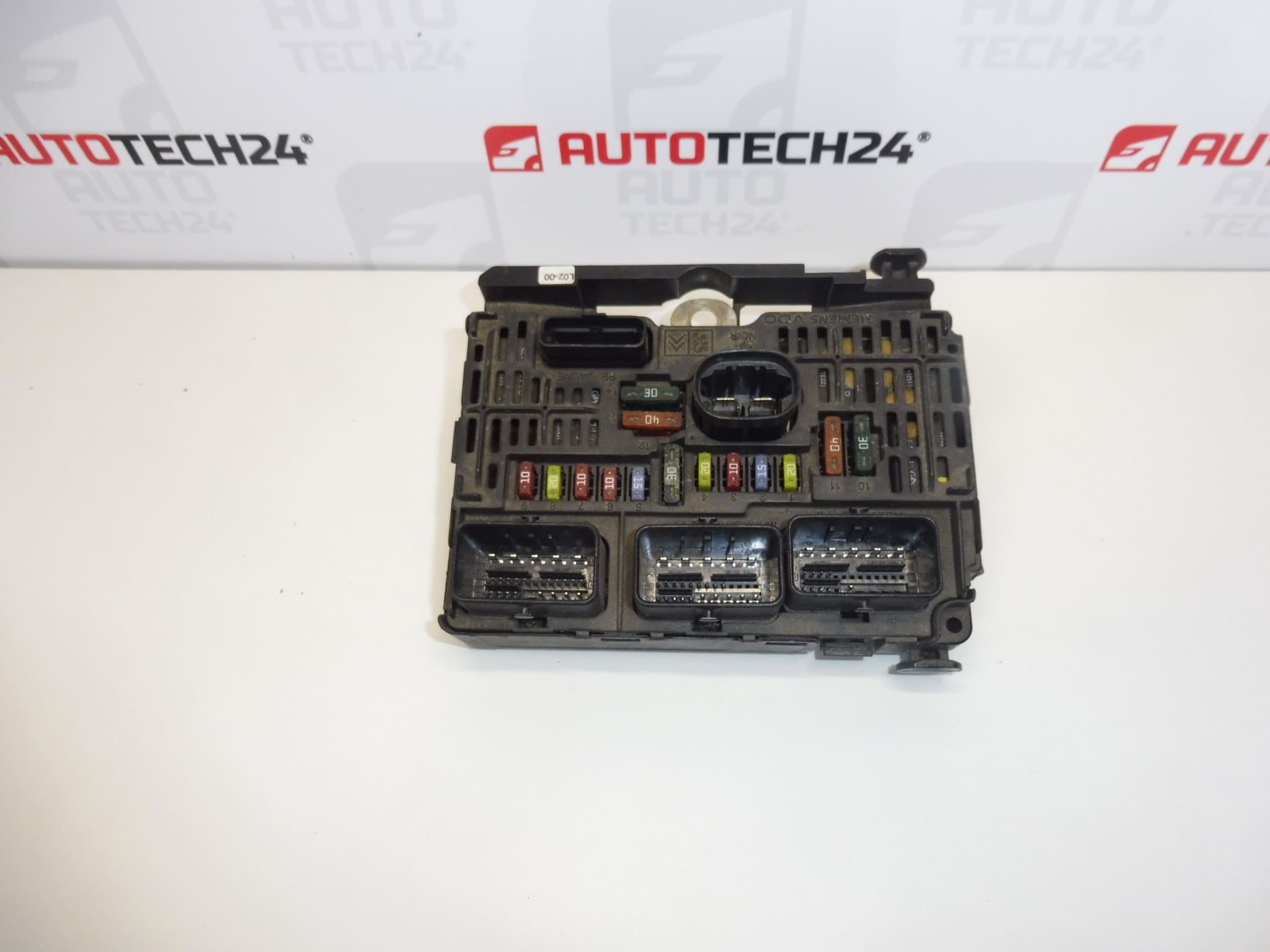
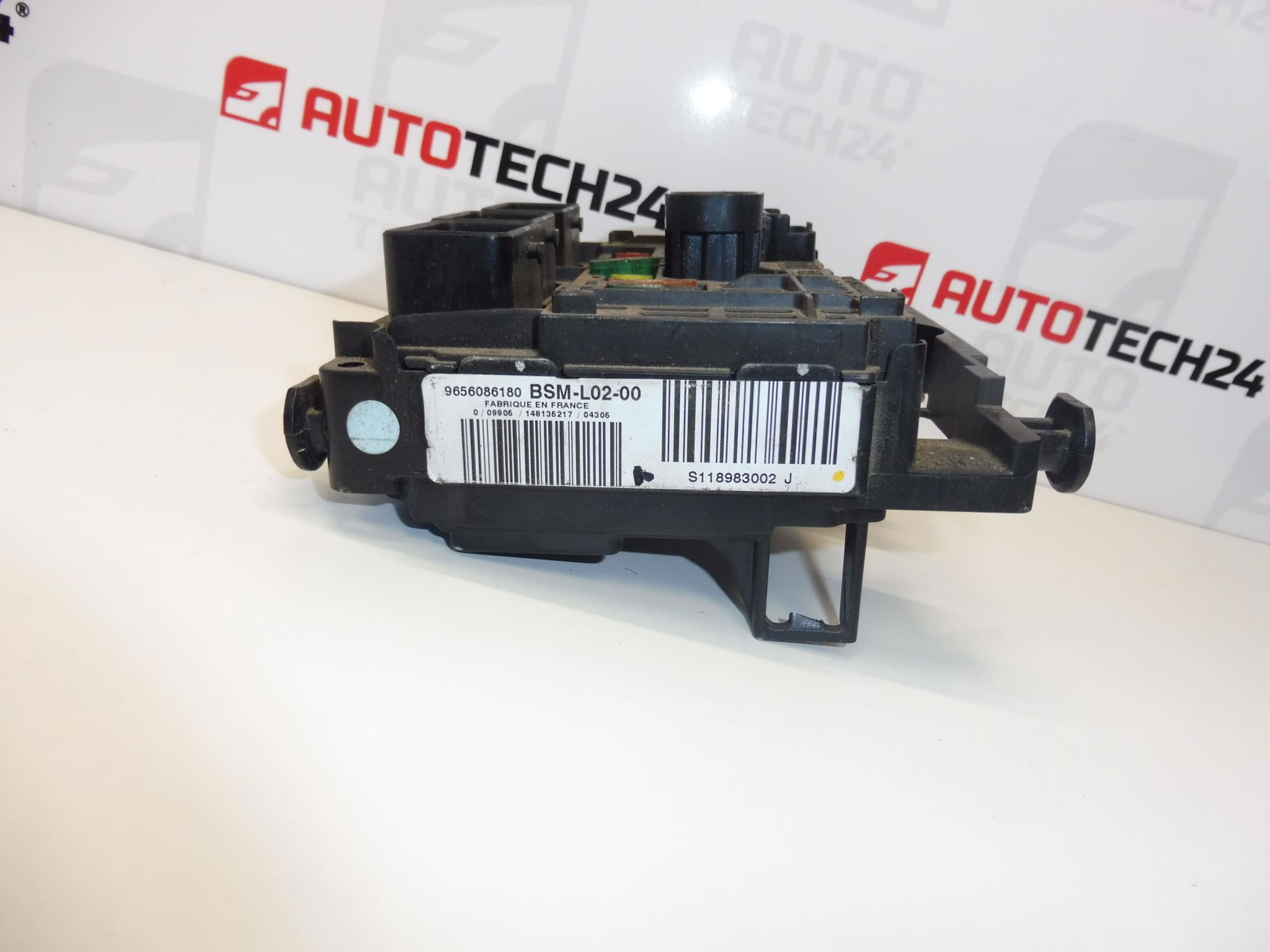
BSM L02-00 SIEMENS VDO for CITROËN and PEUGEOT cars
One of the mounting brackets may be damaged; this does not affect functionality
From a 2005 PEUGEOT 407
Part description
This used BSM L02-00 Siemens VDO is an electrical component designed for Citroën and Peugeot vehicles. According to the available information, it comes from a 2005 Peugeot 407. Parts of this type are usually searched for primarily by their exact designation and product numbers, so it is important to check that all the codes shown on the part match.
The BSM is an important part of the vehicle’s electrical system. When replacing it, it is particularly suitable for mechanics and more experienced DIY enthusiasts looking for an original used part at a reasonable price. Its advantages include the original Siemens VDO design and specific identification by the numbers on the label.
Technical information
- Manufacturer: Siemens VDO
- Model: Peugeot 407
- Other numbers: 9656086180, S118983001 J, 6500CG, L02-00
Product codes
- Product codes: 9656086180, S118983001 J, 6500CG, L02-00
- Model names: Peugeot 407
Installation recommendations
For this part, the following guidance applies in general/typically when replacing an electrical component in the BSM category: the exact procedure may vary depending on the specific model and vehicle configuration. Before installation, it is essential to carefully compare the original and replacement parts and follow safe procedures when working on the vehicle’s electrical system.
1) Before installation
- Check that the L02-00 designation and all available numbers on the part’s label match.
- Visually inspect the connectors, pins and plastic housing for any signs of overheating or oxidation.
- Compare the connector layout and mounting points with the old unit.
- Disconnect the battery before starting work and wait an appropriate amount of time before handling the vehicle’s electrical components.
2) Required tools and materials
- Basic set of hand tools
- Suitable screwdrivers or socket wrenches
- Clean work gloves
- A suitable product for gently cleaning connectors
- A flashlight for inspecting the connectors and the area around the part
3) Step-by-step installation procedure
- Secure the vehicle against movement and switch off the ignition.
- Disconnect the battery.
- Access the original BSM, according to the vehicle configuration.
- Before disconnecting anything, check the position of the individual connectors and wiring.
- Carefully disconnect all electrical connectors to avoid damaging the latches or pins.
- Release the original part’s fasteners and remove it from the vehicle.
- Compare the old and new parts, especially the numbers, housing shape, connectors and mounting points.
- Position the replacement BSM and secure it properly.
- Reconnect all the connectors carefully, without using excessive force.
- Check that the wiring is not under tension, pinched or loose.
- Reconnect the battery.
- Carry out a basic check of the vehicle’s electrical functions.
4) Post-installation checks and test drive/function check
- Check that all connectors are properly seated.
- Check the basic electrical functions related to vehicle operation.
- Watch for any power interruptions or unusual behavior of the electrical system.
- After a short test drive, visually recheck that the part and wiring are properly positioned.
5) Common installation mistakes and how to avoid them
- Choosing a part based on an incomplete number – always compare all the designations on the label.
- Installing with the battery connected – always disconnect the battery safely before working.
- Damaging connectors or latches – disconnect connectors gently and do not pry them with unsuitable tools.
- Overlooking oxidation or heat damage – before installation, inspect not only the part but also the mating connector halves and surrounding wiring.
- Connectors not fully seated – after reconnecting them, check that they are properly clicked into place.
Reasons why the part gets damaged
- prolonged exposure to heat in the engine compartment
- moisture, oxidation of contacts and dirty connectors
- voltage fluctuations in the vehicle’s electrical system
- damage caused by improper handling or careless removal
- overloaded electrical circuits or a fault in the associated wiring