Description
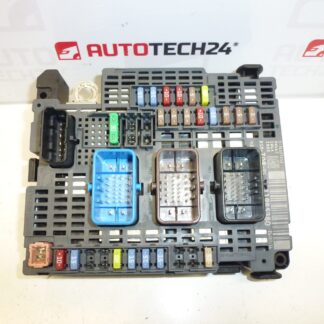
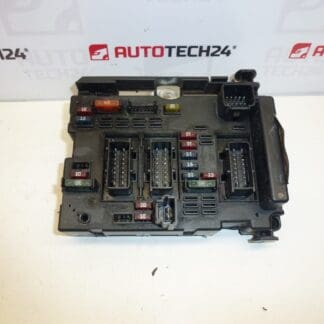
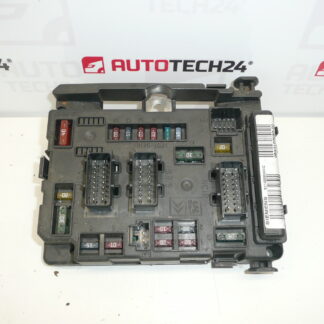
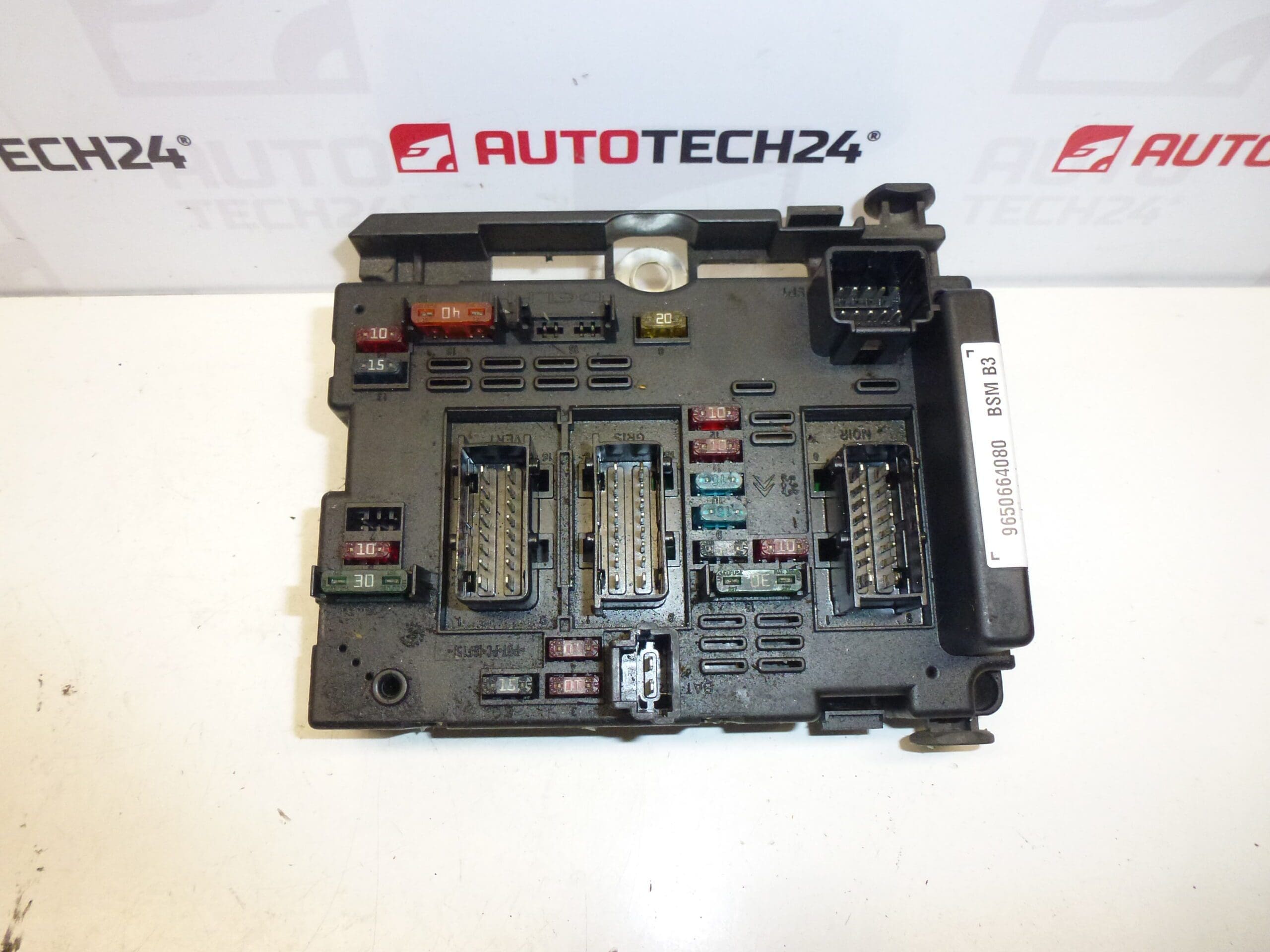
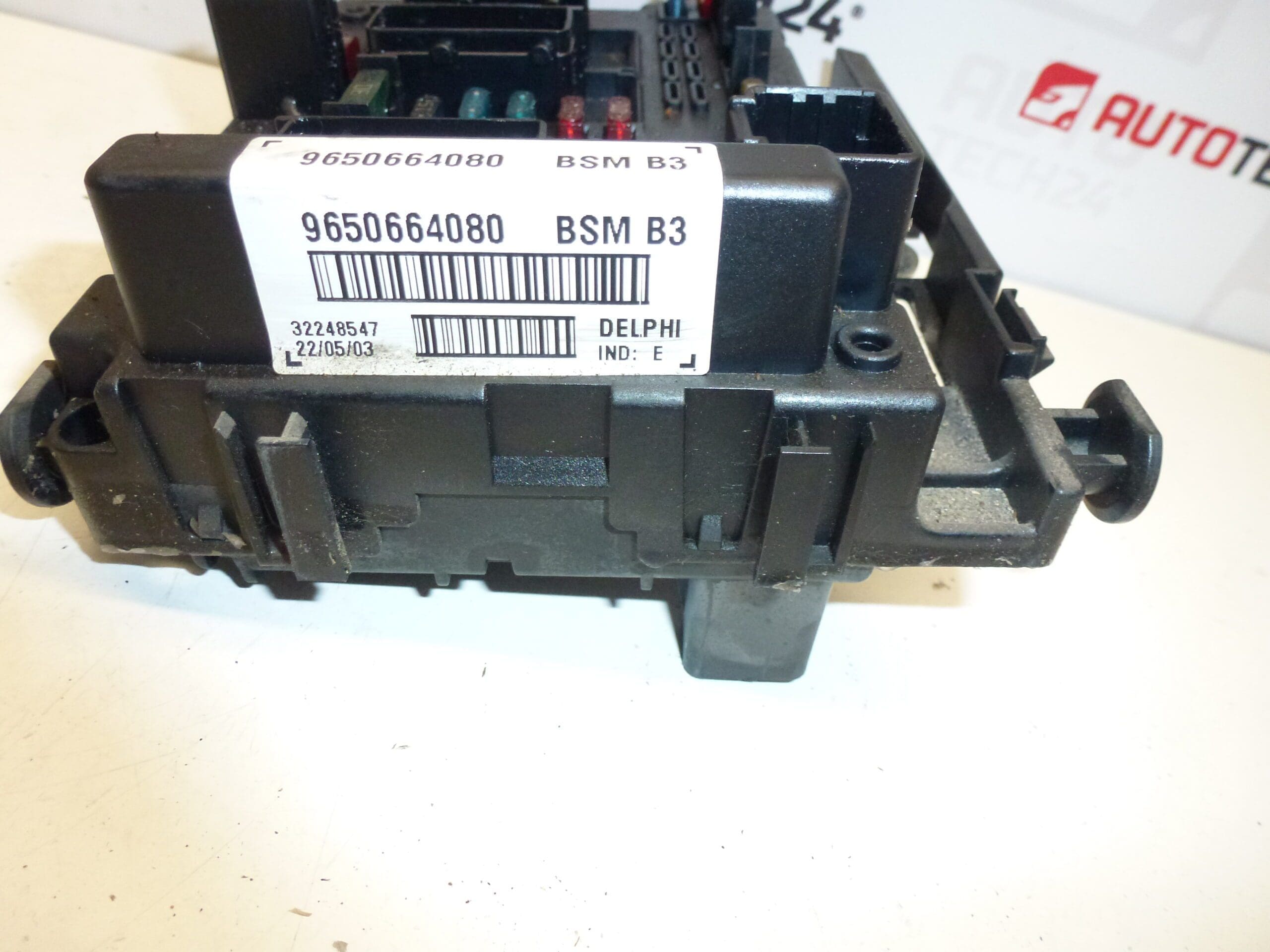
BSM B3 DELPHI control unit for Citroën and Peugeot vehicles. This is a used part with a guarantee of functionality. Some of the mounting brackets may be damaged – this does not affect functionality.
The BSM B3 Delphi is a body control module (BCM) commonly used on a range of PSA vehicles. Supplied as a used unit in full working order, it represents a cost-effective replacement for failed or intermittent original modules. Technically minded mechanics and experienced DIYers will appreciate that this unit handles multiple comfort and body functions; it is often sought by product number (9650664080, 6500Y1, 6500Y3) when sourcing a direct-fit replacement.
Technical Information
- Manufacturer: Delphi
- Model: BSM B3
- Product Codes: 9650664080, 6500Y1, 6500Y3
- Additional Numbers: Common References: 9650664080 / 6500Y1 / 6500Y3
Features And Function
The BSM (Body System Module) controls multiple vehicle body systems such as central locking, interior and exterior lighting circuits, wiper park detection and intermittent control, some power window functions, alarm inputs/outputs and a range of switched power relays/fuses. As a central node in the vehicle body network, the BSM routes signals between switches, sensors and actuators and provides fused power distribution for several circuits.
Compatibility And Fitment
Typical fitment includes various Citroën and Peugeot models. Known compatible models include Citroën C8 and Peugeot 307, 406, 807. Always refer to the product codes (9650664080 / 6500Y1 / 6500Y3) when confirming compatibility; many technicians search by these numbers to locate the correct unit.
Installation Recommendations
Installation should be performed by a competent mechanic or an experienced DIYer with appropriate tools. Recommended steps:
- Disconnect the negative battery terminal before any work to prevent short circuits and protect electronic modules.
- Locate the BSM—on PSA vehicles it is typically mounted in the passenger compartment fusebox area or behind lower dash panels; consult a vehicle repair manual for exact location.
- Remove trim panels and unscrew the unit. Carefully release electrical connectors using appropriate terminal release techniques to avoid damaging connector locks.
- Inspect and clean connector pins and harness seals before mating the replacement unit to ensure good contact and prevent future corrosion-related faults.
- Fit the replacement unit, secure mounting fasteners, reconnect connectors and reassemble panels. Reconnect the battery last.
- After installation verify all controlled functions (locks, lights, wipers, windows, alarm) and check for fault codes with a diagnostic tool. If any functions are lost, additional configuration or adaptation may be required.
Why This Part Most Commonly Fails
- Moisture Ingress and Corrosion: Exposure to damp, leaking windscreen seals or condensation can corrode connectors or PCB traces.
- Connector And Pin Damage: Poor contact, oxidized pins or mechanical stress on connector bodies causes intermittent operation.
- Relay Or Component Wear: Internal relays, solder joints or electronic components can degrade over time, especially under heavy load or thermal cycling.
- Electrical Faults/Shorts: Overcurrent events, water-related shorts or incorrect jump-start procedures may damage the module electronics.
- Mechanical Damage To Mounting Tabs: Plastic mounting brackets may be cracked or broken on used units; this typically does not affect electronic function but should be noted.
Practical Tips
When replacing a BSM, check and clean the mating connectors, secure a good ground, and verify fuse and relay integrity. Because this is a used unit, inspect housing and connectors carefully. After fitting, run a full function check and clear/scan for stored fault codes to confirm correct operation.