Description
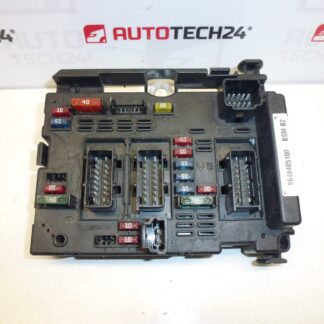
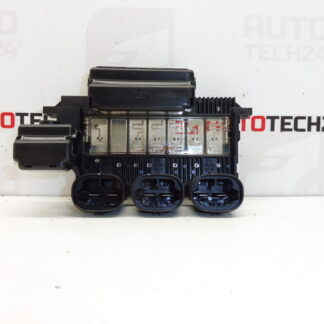
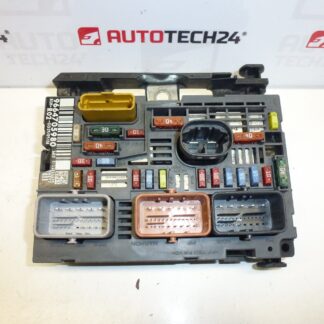
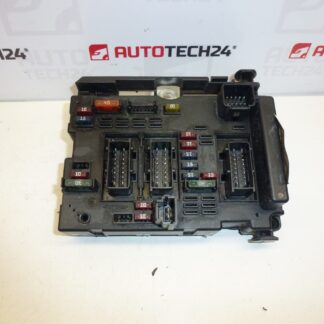
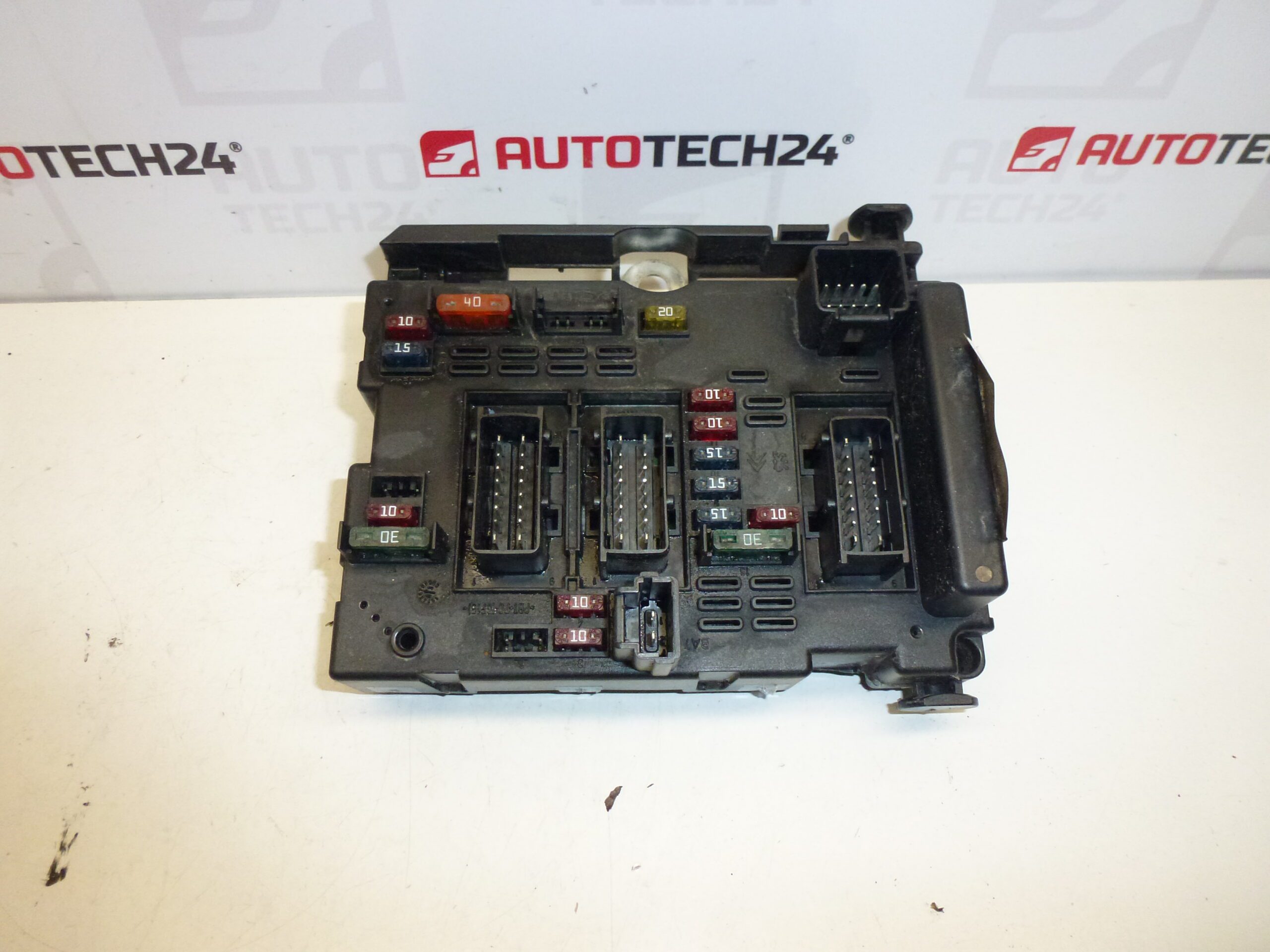
BSM B2 DELPHI Engine Unit. This is a used part with guaranteed functionality. Some of the mounting brackets may be damaged – this does not affect functionality.
Product Overview
High-quality BSM B2 Delphi control unit suitable for many Citroën and Peugeot vehicles equipped with Delphi BSM modules. This used unit is supplied with a functionality guarantee and is intended for professional garages and experienced DIY mechanics who service vehicle electrical and control systems. Commonly referenced by product codes such as 9650664180 and 6500Y1, this module replaces faulty body/control units that cause electrical malfunctions, central locking issues, or irregular behaviour of vehicle electronics.
Key Functions
- Manages multiple vehicle electrical subsystems depending on vehicle configuration (lighting, central locking, interior electronics, signals).
- Interacts with engine and comfort systems via vehicle CAN networks where applicable.
- Provides input/output switching, diagnostics interface and protection against electrical faults within its scope of control.
Installation Notes
Replacement should be performed by a trained technician or a competent DIYer familiar with vehicle electronics. Typical replacement steps:
- Disconnect the negative terminal of the battery and wait several minutes to ensure system discharge.
- Locate the BSM unit (position varies by model: often behind glovebox, under dashboard or in the engine bay mounting points).
- Carefully release connectors and locking tabs; note connector orientations and harness routing.
- Remove mounting screws or clips, swap the unit and reattach connectors ensuring firm engagement and correct pin alignment.
- Reconnect battery and run basic checks: power-up, fault-code scan and verify controlled functions.
Technical Information
- Manufacturer: Delphi
- Model: BSM B2
- Product Codes: 9650664180, 6500Y1
- Additional Numbers: 6500.Y1., 6500Y1, 9650664180
Recommendation For Mounting
Always follow the vehicle manufacturer’s procedures when removing and fitting control units. Use correct torque for fasteners and secure all wiring harnesses to avoid chafing. After installation, perform a full systems check and clear any historical fault codes. If the vehicle requires adaptation or coding of the unit, use appropriate diagnostic equipment.
Why This Part Fails Most Often
Typical causes of BSM failure include moisture ingress and corrosion at connectors, damage from impact or improper handling, and electrical stress from voltage spikes or poor battery connections. Mechanical damage to mounting brackets is common on used units but usually does not affect the unit’s electronic functionality. Aging components and intermittent connector contact may also produce sporadic faults.
More About Reliability And Use
This used unit is offered with a guarantee of functionality. For workshops and experienced DIY mechanics it provides a cost-effective alternative to a new unit when the original module shows faults. Verify connector compatibility and product codes before installation. After fitting, perform diagnostic verification to ensure all controlled systems respond correctly.