Description
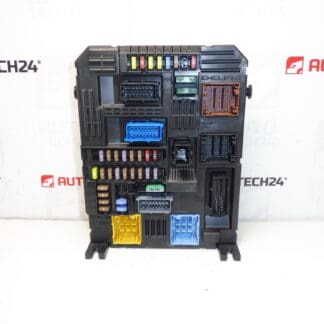
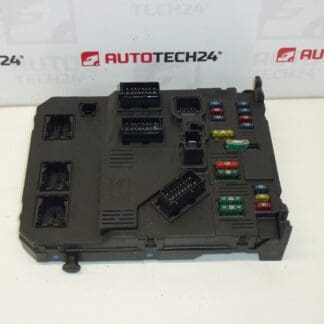
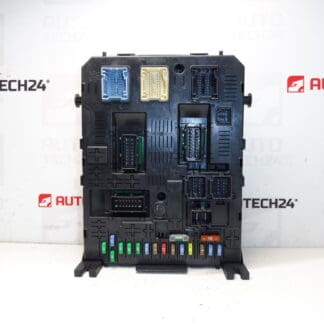
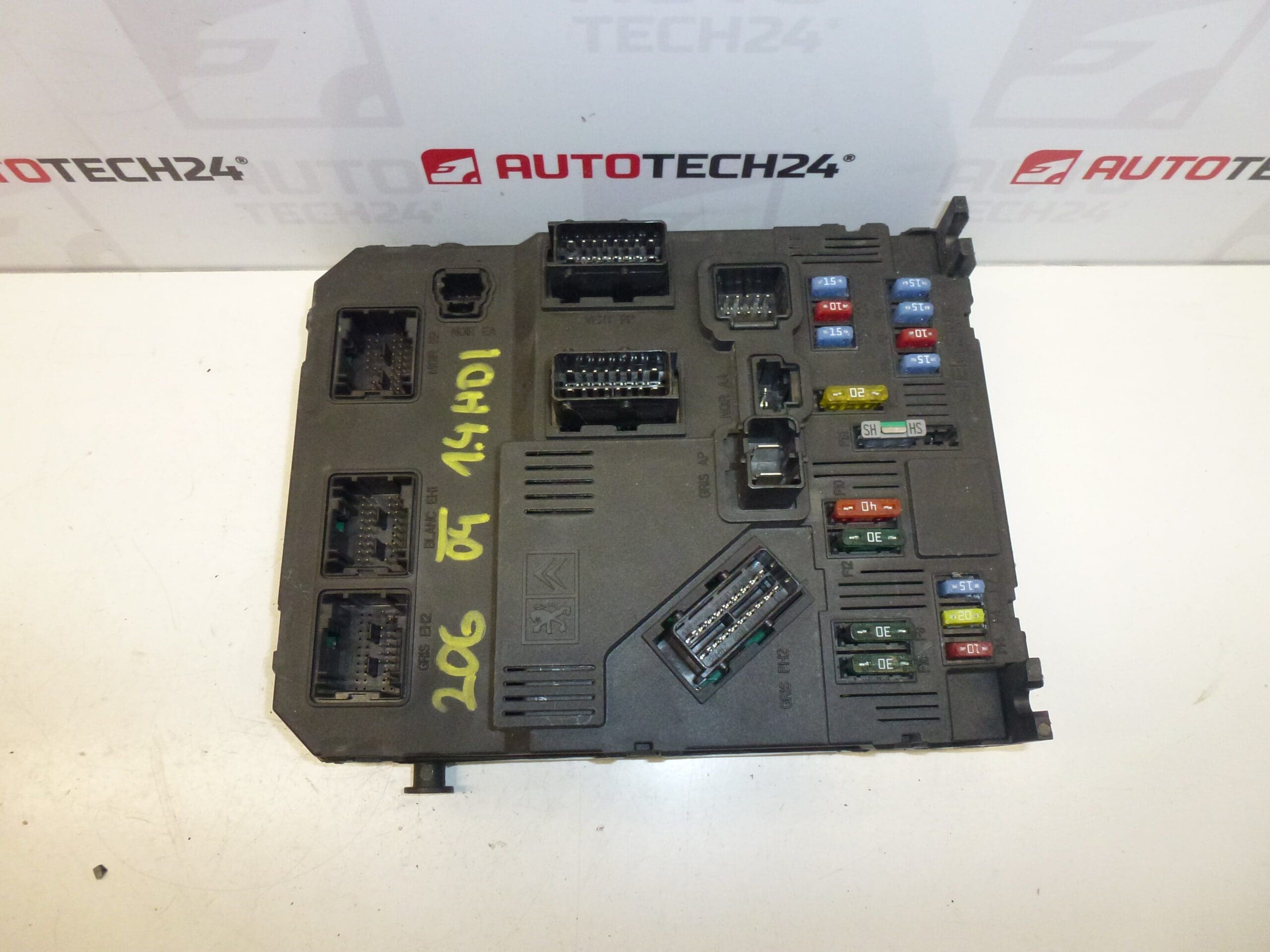
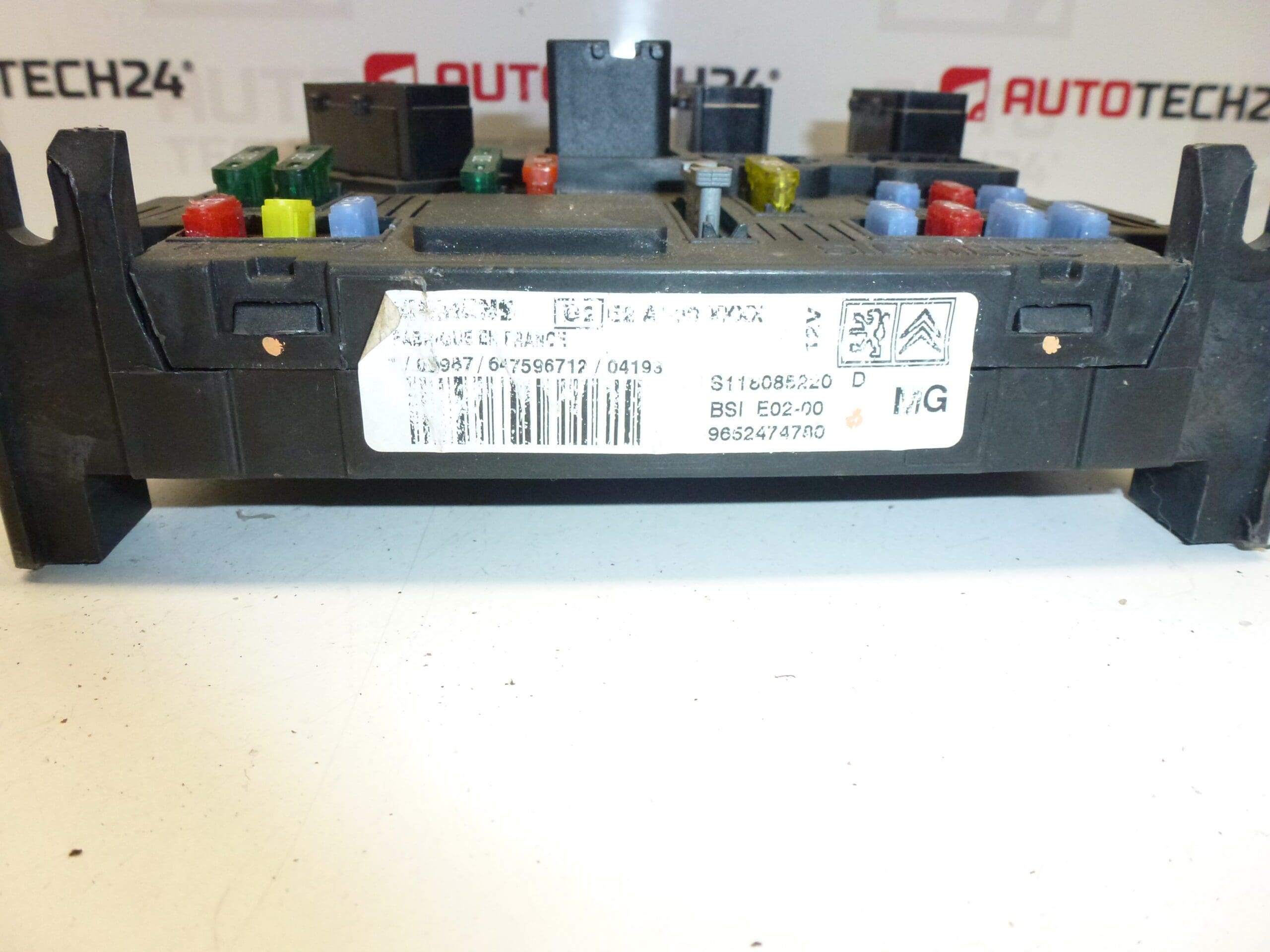
BSI E02-00 Siemens for Peugeot 206
This Siemens BSI E02-00 comfort module is designed for Peugeot 206 vehicles and carries the OEM references frequently used in parts lists and service searches. Ideal for professional garages and experienced DIY enthusiasts, this Body Systems Interface (BSI) controls a range of body electrical functions and is commonly sought under codes such as 9652474780, S118085220 and related part numbers. If you are replacing a faulty BSI, this listing provides the technical identifiers, typical failure causes, and step-by-step guidance to help ensure a correct and reliable installation.
Technical Information
- Manufacturer: Siemens
- Model: BSI E02-00
- Product Codes: 9652474780, S118085220
- Other Numbers: 1650882680, 165082680, 6580N8, 6580FP, 6580GY, NFP
- Vehicle Fitment: Peugeot 206
Function
The BSI (Body Systems Interface) is the body control module that manages multiple comfort and convenience systems: central locking, interior lighting, exterior lights signalling, wiper/washer logic, some dashboard communications and gateway functions between vehicle networks. It also interfaces with immobilizer and key recognition circuits on many Peugeot 206 models.
Compatibility And Fitment
Intended for Peugeot 206 applications using the E02-00 Siemens BSI. Always confirm the part numbers listed above against the unit fitted to the vehicle before purchase. This BSI is physically located behind the dashboard area (commonly behind the glovebox or under the steering column) depending on model and year.
Replacement Procedure
- Disconnect the negative battery terminal and wait a few minutes to discharge capacitors.
- Access the BSI by removing the relevant trim panels (glovebox or lower dash panels) to reach the module.
- Label and carefully unplug all multi-pin connectors. Inspect connectors for corrosion or damaged pins.
- Unscrew the BSI from its mounting, swap the unit and refit in reverse order.
- Coding or data transfer is typically required so the vehicle recognizes the replacement unit (see Installation And Coding – Important below).
Installation And Coding – Important
- The Unit Is Used And Is Paired With The Original Vehicle (VIN/PIN/Keys).
- Options For Commissioning:
- Cloning Data From The Old Unit (EEPROM/Flash) – After Cloning The Unit Is Plug And Play.
- Virginization And Subsequent Initialization/Telecoding Via DiagBox (Or Online) + Key Adaptation.
- It Is Recommended That These Operations Be Performed By A Technician With PSA Service Equipment (DiagBox/Lexia/PP2000).
- Always Disconnect The Battery Before Removal/Installation And Follow Manufacturer Procedures To Avoid Damaging The Unit.
Installation Recommendations
- Perform coding/cloning with the appropriate diagnostic tool to restore immobilizer and comfort functions.
- Check and clean all connector pins and earth points before reconnecting to prevent future faults.
- Protect the unit from electrostatic discharge and avoid handling circuit boards directly.
- Inspect for signs of water ingress in the vehicle interior or footwell areas and repair any seals or routing that may allow moisture to reach the BSI.
Why This Part Most Commonly Fails
- Water Ingress And Corrosion: Moisture reaching the unit or connectors causes oxidation and short circuits.
- Electrical Surges And Poor Aftermarket Fittings: Jump starts, incorrect battery connections or badly installed accessories can damage electronic components.
- Thermal And Mechanical Stress: Repeated heating/cooling cycles and vibration can lead to solder joint cracks or component fatigue.
- Connector Damage: Bent or corroded pins and poor mating can produce intermittent faults that escalate to unit failure.
Notes For Professionals And DIYers
This Siemens BSI E02-00 is an essential comfort and body control module for the Peugeot 206 platform. Because correct vehicle commissioning often requires cloning or specialized telecoding, many workshops will perform the final steps with PSA diagnostic equipment. Before fitting, verify part numbers printed on the original unit and inspect the vehicle for the root cause of the failure (moisture, poor earth, electrical modifications) to prevent repeat faults.