Description
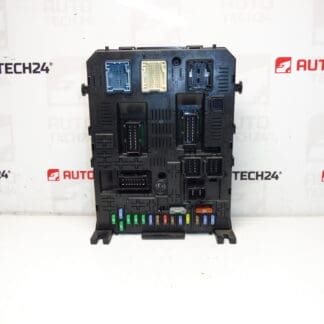
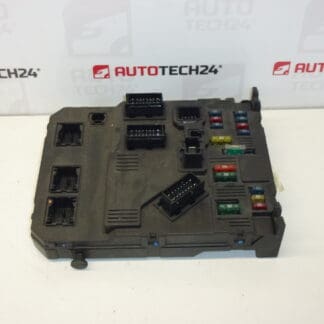
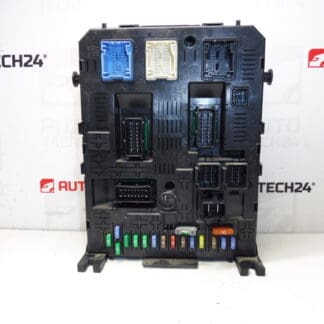
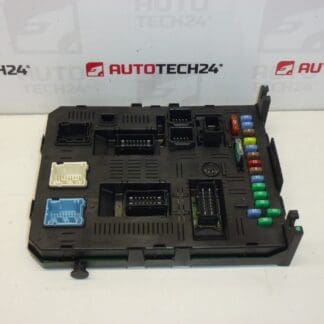
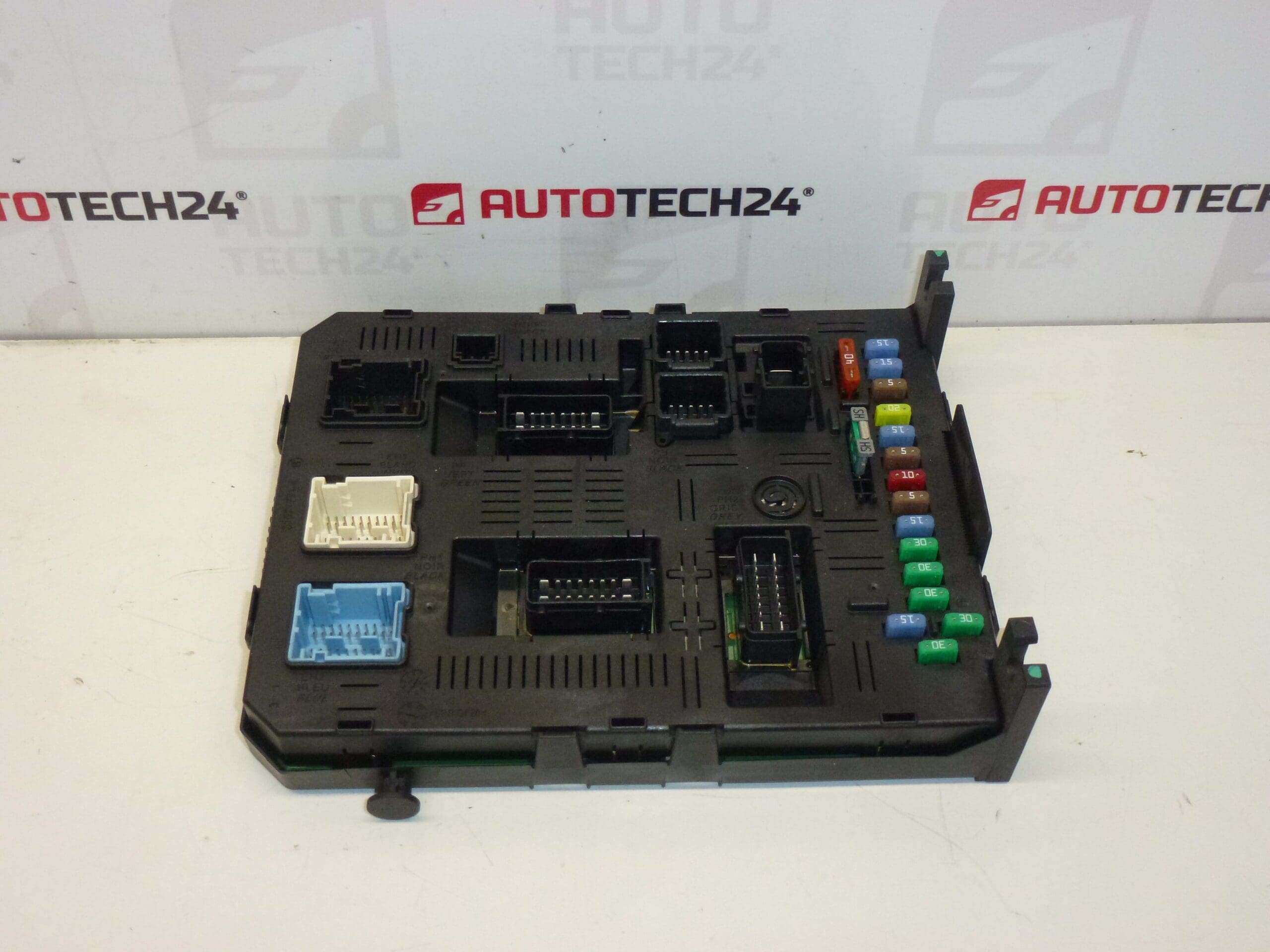
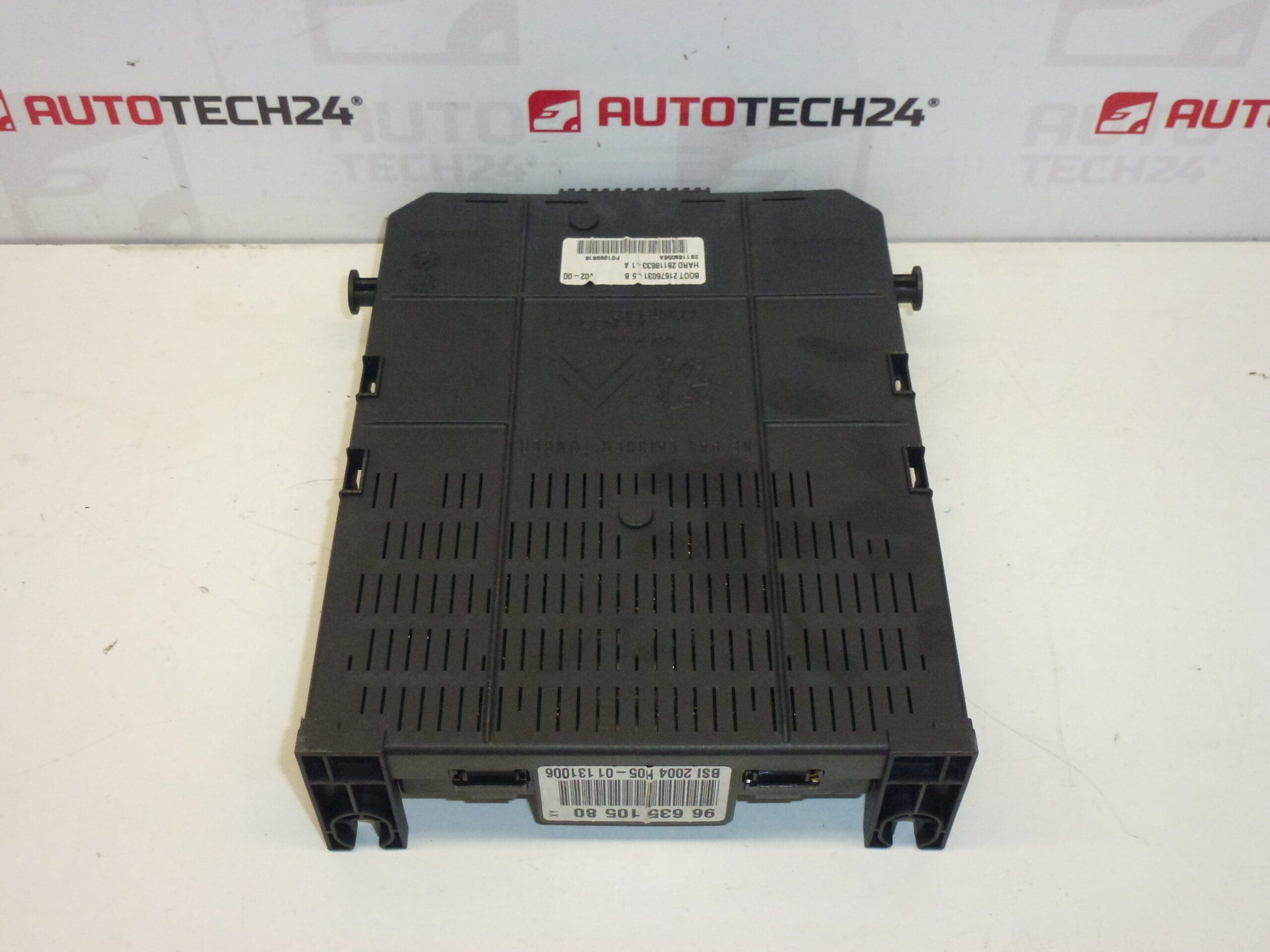
BSI 2004 H05-01 Johnson Controls for CITROËN and PEUGEOT vehicles. It is from a Peugeot 307 2007.
This used BSI 2004 H05-01 unit from Johnson Controls is a direct-fit comfort and body control module for Citroën and Peugeot models that use this generation of BSI. Ideal for professional workshops and experienced DIY mechanics, the unit is commonly searched by part numbers 9663510580, 6580JA and related codes. Replacing a faulty BSI restores central locking, lighting logic, wiper control, interior convenience functions and the gateway between vehicle networks. The description below includes technical references and practical guidance to help you evaluate and install the unit correctly.
Key Features
- Original Johnson Controls BSI 2004 H05-01 hardware used in PSA platforms.
- OEM Product Codes: 9663510580, 6580JA (see full codes in Technical Information).
- Controls comfort functions: central locking, interior lights, wipers, windows, alarm and CAN communications.
- Direct replacement for vehicles fitted with the same BSI version; suitable for workshop installation and coding.
Fitment and Application
Intended for Citroën and Peugeot vehicles equipped with BSI 2004 H05-01. Donor vehicle: Peugeot 307 (2007). This unit is typically identified by the printed H05-01 marking and the OEM part numbers listed below. Search by part number for fastest compatibility match.
Technical Information
- Manufacturer: Johnson Controls
- Model: BSI 2004 H05-01 (Donor: Peugeot 307 2007)
- Product Codes: 9663510580, 6580JA
- Additional Numbers: 6580QE, 6580JC, 1660728780
Installation Recommendations
- Always disconnect the negative battery terminal before removing the BSI to avoid electrical damage.
- Work in a dry, static-free environment. Protect the unit and connectors from moisture and contamination.
- Inspect connectors and wiring for corrosion or damage and clean mating surfaces before reinstallation.
- After physical installation, the unit will usually require coding or data transfer to match the vehicle — see Installation and Coding – Important below.
- Test all comfort functions, locking and lights during final checks. Verify CAN bus communications via diagnostic equipment if available.
Installation and Coding – Important
– The Unit Is Used And Is “Paired” With The Original Vehicle (VIN/PIN/Keys).
– Options To Put Into Service:
- Cloning Data From The Old Unit (EEPROM/Flash) – After Cloning The Unit Is Plug And Play.
- Virginization And Subsequent Initialization/Telecoding Via DiagBox (Or Online) + Key Adaptation.
– Recommended To Be Performed By A Specialist With PSA Service Equipment (DiagBox/Lexia/PP2000).
– Always Disconnect The Battery Before Removing/Installing And Follow Manufacturer Procedures To Avoid Damaging The Unit.
How The Unit Is Replaced
- Disconnect the negative battery terminal and wait a few minutes to ensure system power-down.
- Access the BSI (commonly located behind the glovebox or under the dashboard depending on model). Remove trim panels as required.
- Unplug all electrical connectors, noting their positions. Remove mounting fasteners and extract the unit.
- Install the replacement unit in the reverse order. Ensure connectors engage fully and are free of corrosion.
- Perform data cloning or coding as required. Check all vehicle functions and clear any diagnostic trouble codes.
Why The Part Fails Most Often
- Moisture Ingress And Corrosion: Water or condensation reaching the unit or connectors is a common cause of failures and intermittent faults.
- Voltage Spikes And Battery Issues: Jump-starts, faulty alternators or poor battery connections can damage internal electronics.
- Thermal Stress And Aging: Heat cycles over many years can cause cracked solder joints, degraded components or failed relays.
- Connector And Wiring Damage: Poor connections, frayed wires or contaminated pins lead to communication errors and malfunctions.
This BSI unit is a cost-effective replacement for vehicles that share the H05-01 hardware and part numbers listed above. For professional fitment, ensure cloning or coding is carried out with appropriate PSA diagnostic tools to restore full vehicle functionality.