Description
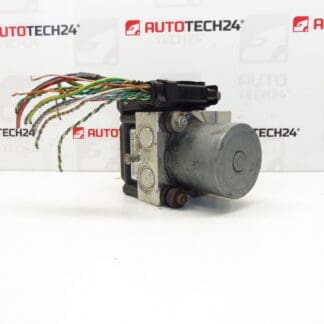
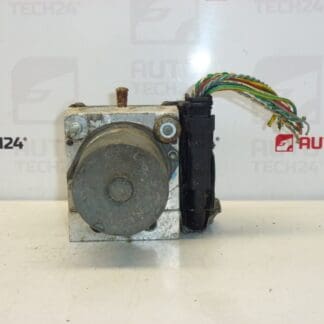
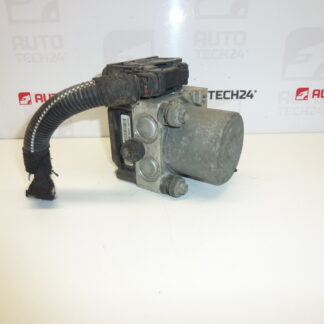
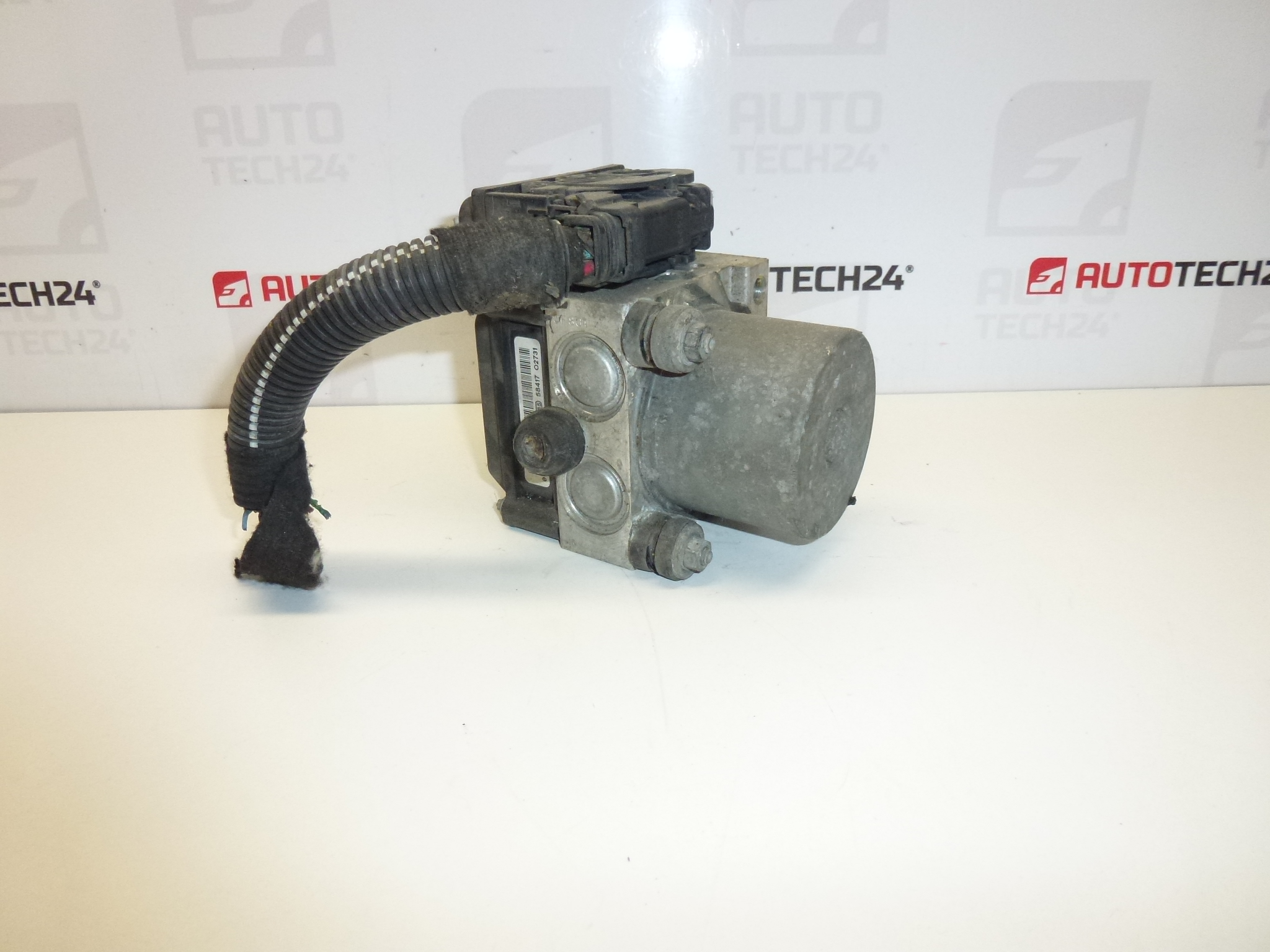
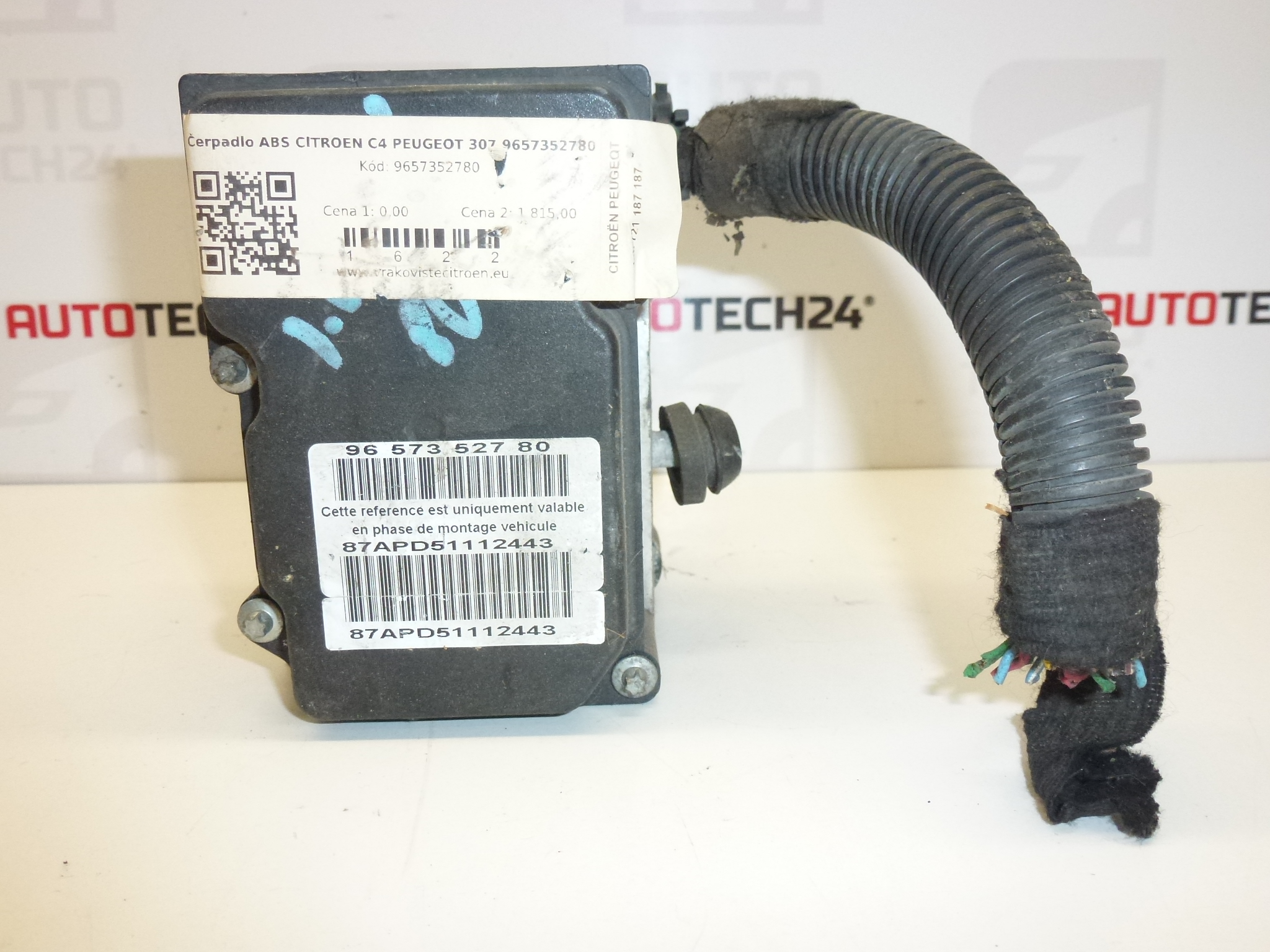
Hydraulic control block for ABS and ESP brake systems for Citroën C4 and Peugeot 307. Supplied with a length of wiring.
Used ABS hydraulic unit with wiring harness designed for Citroën and Peugeot models. This component controls hydraulic modulation for ABS and ESP interventions and is often searched for by its product numbers, so listing the reference codes below will help you find the correct replacement quickly. Suitable for professional workshops and experienced DIY mechanics who are comfortable working on the brake system and performing a full bleed and diagnostic check after installation.
Technical Information
- Manufacturer: Stellantis (Citroën / Peugeot)
- Model: Citroën C4; Peugeot 307
- Product Codes: 9657352780, 0265800395, 0265231486, 9649988280, 4541J1
- Other Numbers: 265231486, 265800395
Function
The Hydraulic Control Block (ABS Pump/Valve Block) modulates brake pressure during anti-lock braking and electronic stability (ESP) interventions. It contains hydraulic valves and the pump circuit that rapidly adjusts pressure to individual wheels based on ABS/ESP commands. The unit interfaces with the vehicle wiring harness for sensor and control signals and works together with the ABS control electronics to maintain vehicle stability and shorten stopping distances under emergency braking.
Compatible Models
Intended Applications: Citroën C4, Peugeot 307. Compatibility should be checked against the listed product codes to ensure correct fitment for specific engine and ABS system variants.
Installation Recommendations
- Disconnect The Battery Before Work: Always isolate the vehicle electrical system before removing the unit to avoid electrical damage or accidental airbag/ECU events.
- Vehicle Preparation: Raise and support the vehicle securely; work on a level surface and follow safe lifting procedures.
- Hydraulic Disconnection: Place a suitable container under the vehicle to catch brake fluid. Loosen and remove the brake lines from the unit, cap lines to prevent contamination and air ingress.
- Electrical Connections: Unplug the wiring harness carefully and inspect connectors and pins for corrosion or damage before fitting the replacement.
- Replacement Procedure: Remove the mounting fasteners, swap the unit and wiring section, install new sealing washers where applicable and tighten brake line fittings to the manufacturer’s torque specifications.
- Bleeding And Initialization: After installation perform a complete brake bleed and the ABS/ESP bleed procedure so the pump and valves purge air. Use a diagnostic tool capable of cycling the ABS pump and clearing codes (PSA DiagBox or equivalent recommended) to complete initialization and ensure correct system operation.
- Final Checks: Inspect For Leaks, verify brake pedal firmness, and clear stored fault codes. Test drive at low speed to confirm ABS/ESP operation before returning the vehicle to normal use.
Why This Part Most Commonly Fails
- Brake Fluid Contamination And Moisture: Water-contaminated fluid accelerates internal corrosion and valve sticking.
- Internal Valve Or Pump Wear: Moving parts inside the pump/valve block can wear out over time, reducing performance or causing failure.
- Electrical Connector Corrosion Or Damage: Poor connections or damaged wiring can interrupt control signals and diagnostic communication.
- Mechanical Damage: Impact from road incidents or improper handling during previous repairs can damage the unit.
- Age And Mileage: Like all hydraulic components, seals and internal surfaces degrade with time and use.
Notes And Practical Tips
- Frequently Searched By Part Number: When sourcing this component, use the product codes listed above (e.g., 9657352780, 4541J1) to match the correct unit.
- Wiring Harness: Supplied With A Section Of Wiring — Inspect The Harness Carefully For Broken Wires Or Corrosion Before Installation.
- Service Intervals: There Is No Fixed Replacement Interval; Regular Brake Fluid Changes And Inspections Help Extend Component Life.