Description
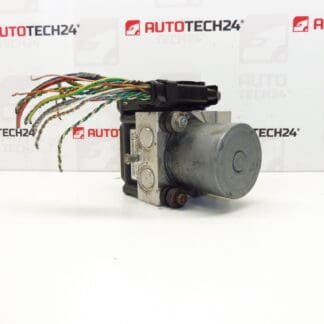
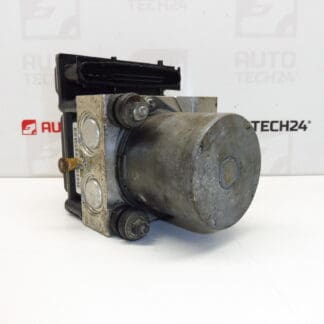
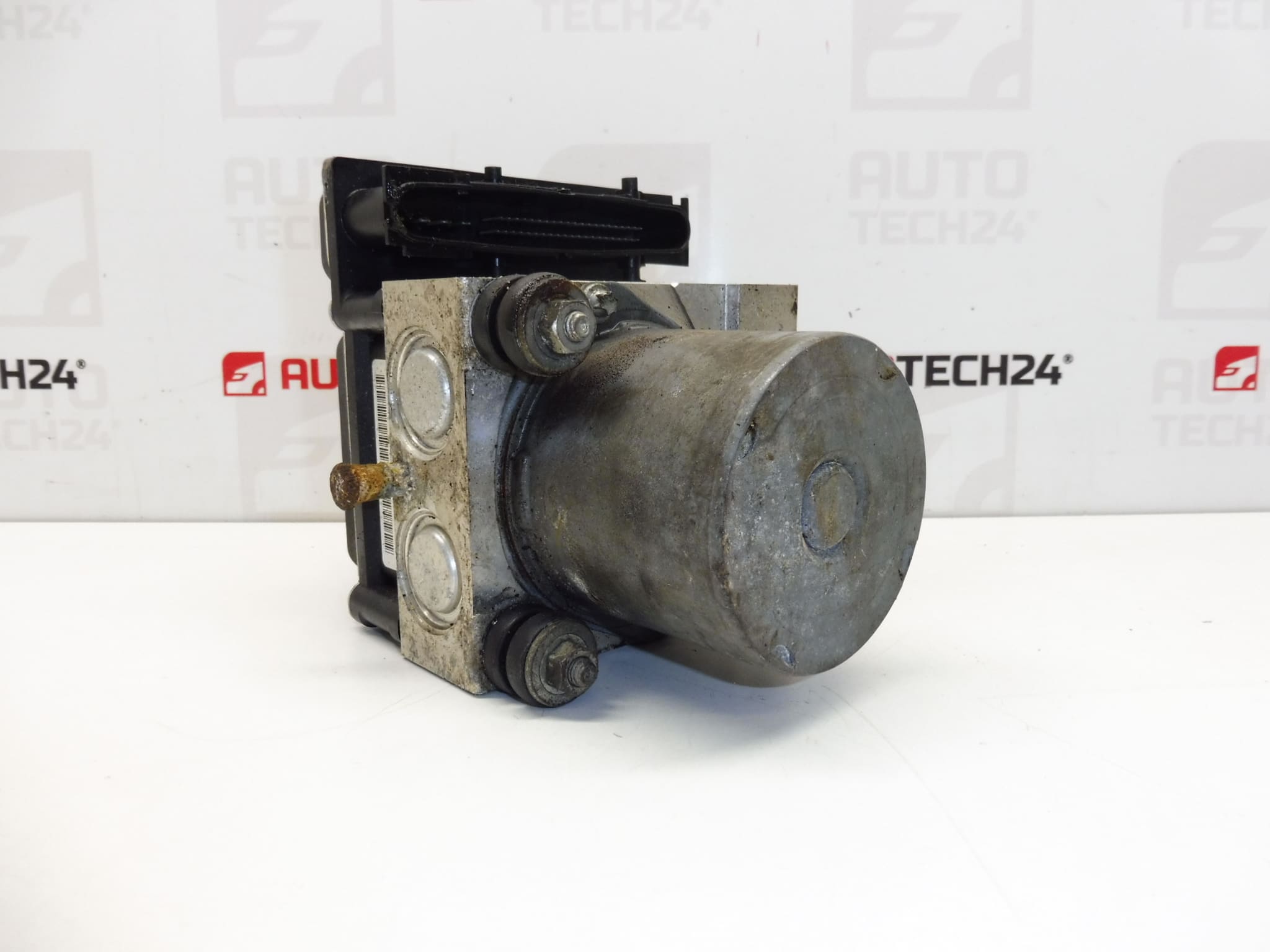
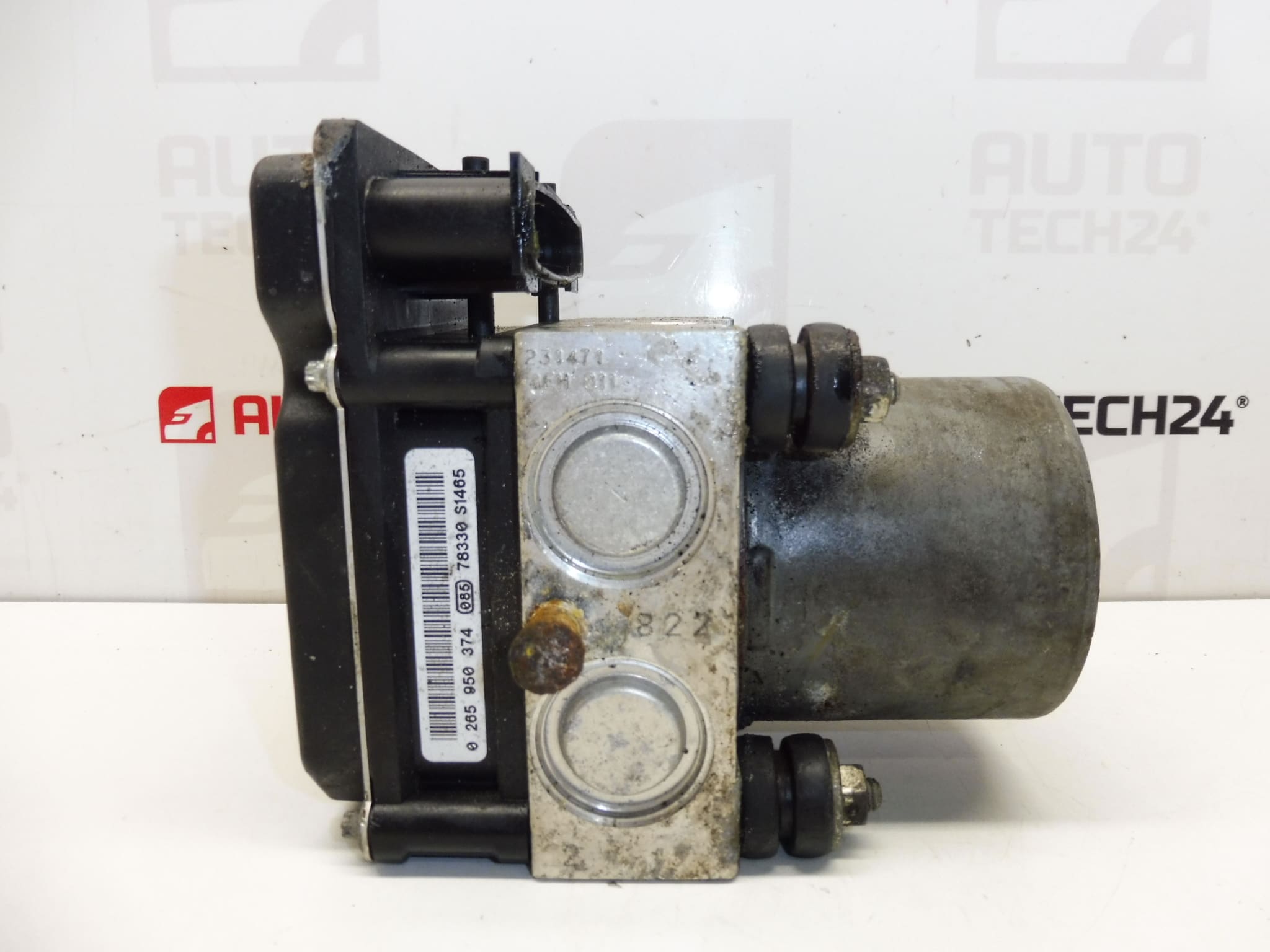
Control Module, ABS Pump, ESP Unit, Bosch ABS Block for Peugeot 307
This Bosch ABS/ESP control module is designed for Peugeot 307 models and carries multiple OEM reference numbers commonly used in parts searches. The unit combines the hydraulic pump and electronic control functions required for modern anti-lock braking and electronic stability systems, restoring proper ABS/ESP operation and improving vehicle safety on slippery surfaces. Ideal for professional workshops and experienced DIY mechanics who search by product code when sourcing replacement modules.
Features
- Integrated ABS hydraulic pump and electronic control unit (ESP) for coordinated braking and stability intervention.
- Restores ABS modulation and ESP intervention to prevent wheel lock and reduce understeer/oversteer events.
- OE Bosch design compatible with Peugeot 307 braking systems.
- Commonly referenced by multiple part numbers—often searched directly by code for fast identification.
Technical Information
- Manufacturer: Bosch
- Model: Peugeot 307
- Product Codes: 9660535780, 0265950374, 0265234152, 9649988180, 4541J3
- Additional Numbers: 265234152, 265950374
Compatibility
Fits Peugeot 307 range. Part compatibility depends on the exact vehicle equipment and OEM code—this item is intended for Peugeot 307 chassis and braking systems that use the listed part numbers.
Installation
Recommended for professional workshops or experienced DIYers. Typical replacement steps:
- Park vehicle on level ground, engage handbrake and support with axle stands if lifting is required.
- Disconnect the negative battery terminal before any work on the ABS/ESP unit to avoid electrical damage.
- Access the ABS module (often located in the engine bay near the brake master cylinder); remove protective covers and unplug electrical connectors.
- Carefully loosen and remove hydraulic brake lines—prepare to collect brake fluid and avoid introducing contamination.
- Unbolt the unit from its mounting bracket and remove. Fit the replacement unit, tightening fasteners to manufacturer torque settings.
- Reattach hydraulic lines using new sealing washers where recommended, refill the brake reservoir, and perform a complete brake bleed to remove air from the system.
- Clear ABS/ESP fault codes with a diagnostic tool and verify correct operation with a road test. If faults persist, re-check connections and hydraulic integrity.
Most Common Failure Reasons
- Corrosion and moisture ingress causing electrical PCB damage or poor connector contacts.
- Wear of the pump motor (brushes) or internal hydraulic valves leading to loss of pressure or intermittent operation.
- Contamination in the brake fluid or internal valve blockage affecting modulation performance.
- Electrical faults from short circuits, water exposure, or damaged wiring/connectors.
- Physical damage from collisions or impact to the mounting area.
Installation Recommendations
- Always disconnect the battery before starting work and follow the vehicle manufacturer’s safety instructions.
- Use clean brake fluid and recommended bleed procedures to avoid air in the system; replace seals and crush washers as needed.
- Inspect wheel speed sensors and wiring when addressing ABS/ESP faults—sensor issues often trigger pump activation and premature wear.
- After replacement, use an appropriate diagnostic tool to clear fault codes and confirm sensor inputs and actuator outputs.
Note
Unit identification by part number is common practice—searching the listed codes will help find the matching module. This description is based on the provided part references and general technical knowledge of ABS/ESP systems.