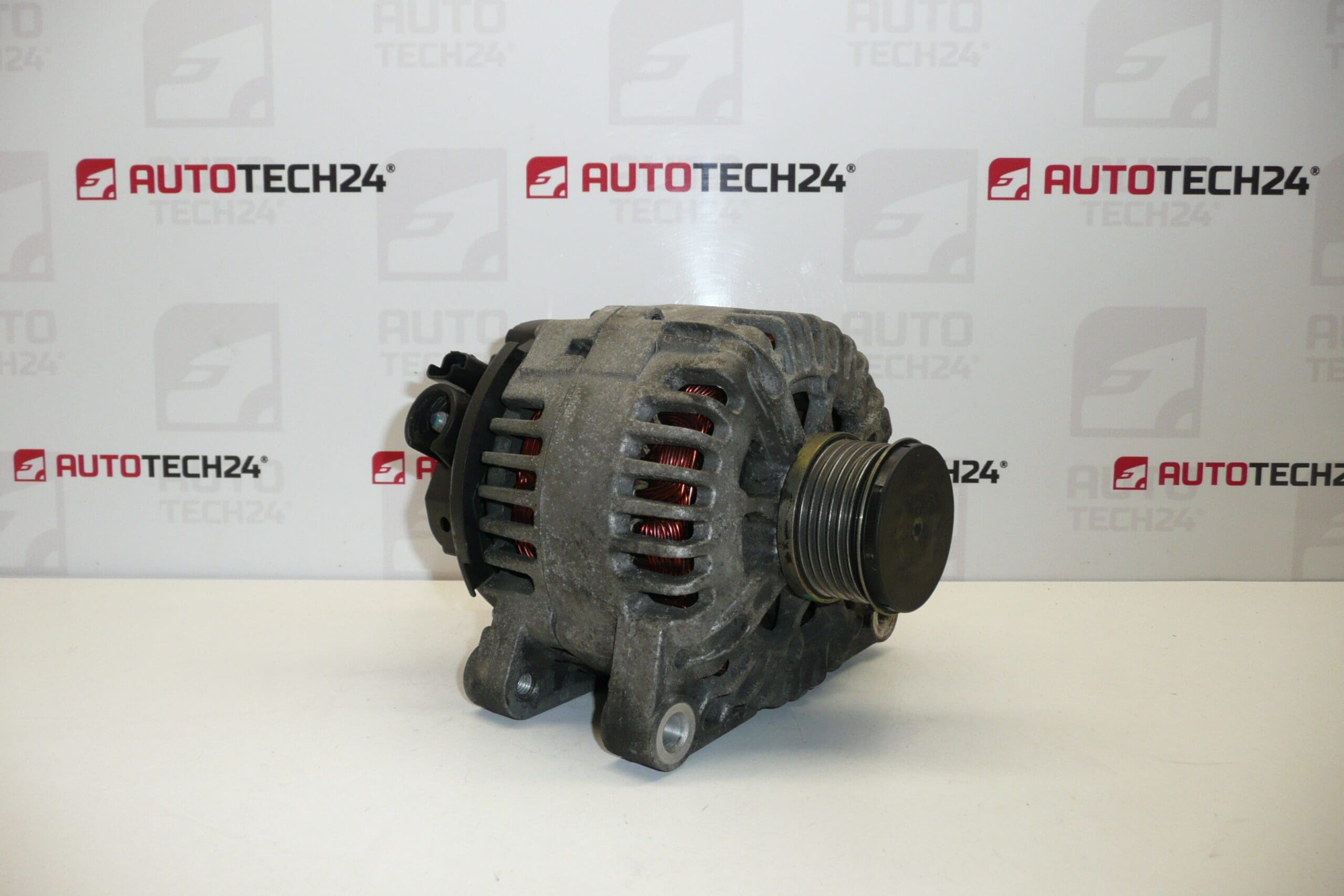
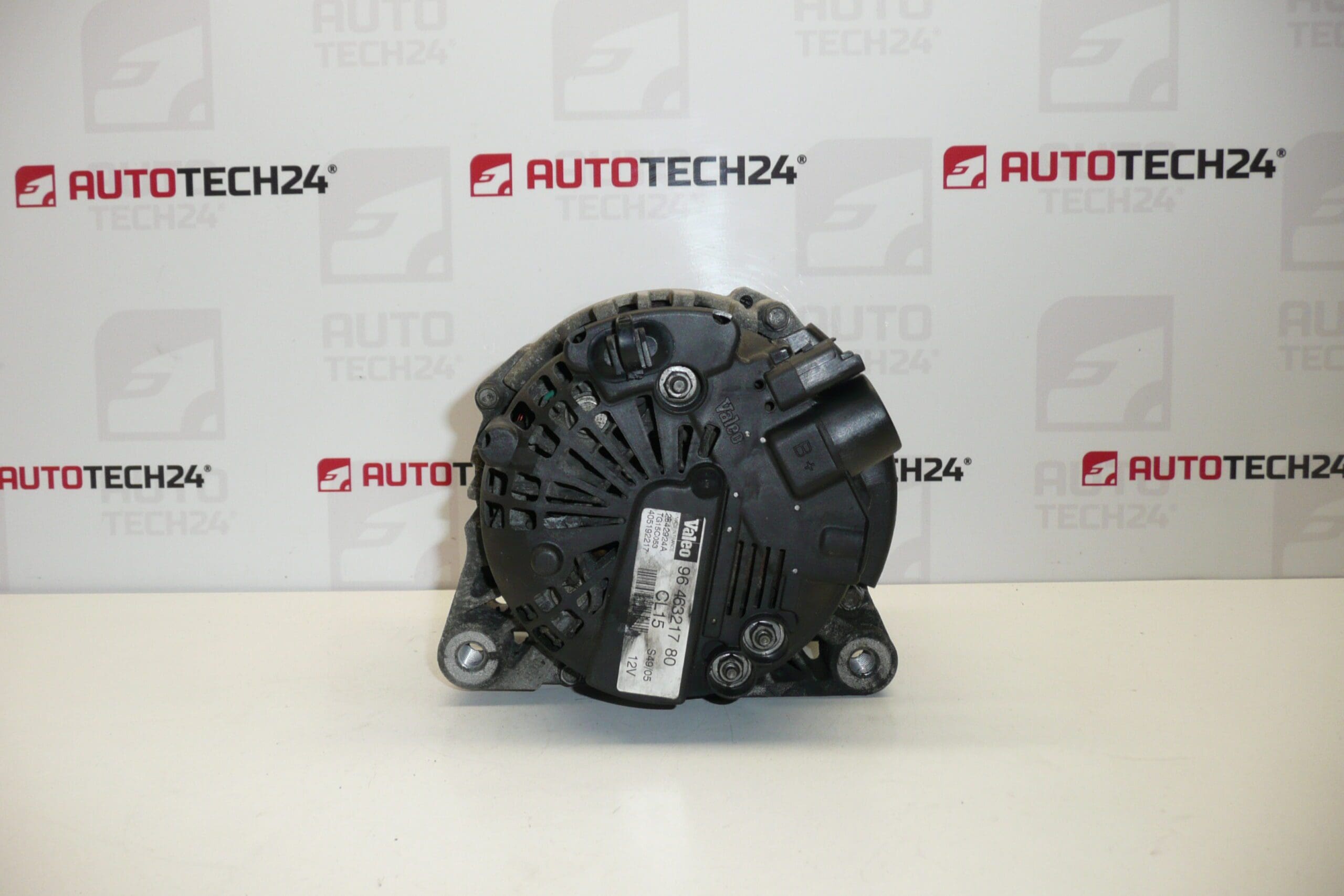
Description
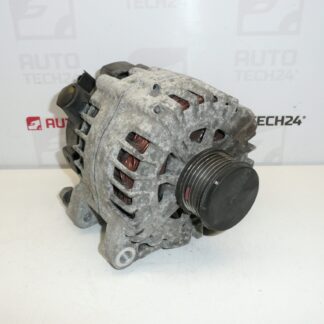
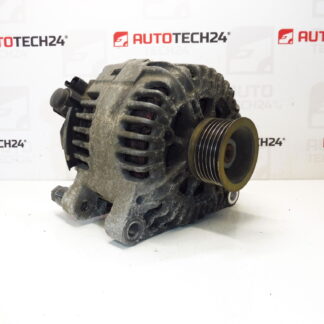
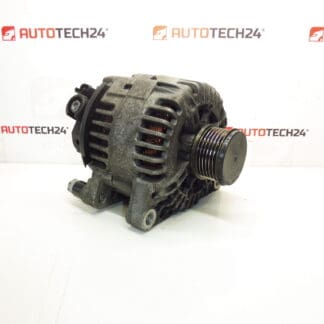
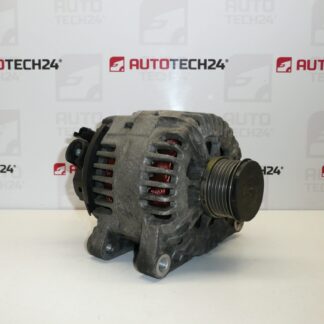
VALEO CL15 alternator for Citroën and Peugeot vehicles. Generator – charging current: 150 A. With overrunning pulley.
This VALEO CL15 150A alternator is a direct-fit replacement for many Citroën and Peugeot petrol and diesel engines. Designed with an overrunning (freewheel) pulley to reduce vibration and improve belt life, it delivers stable charging performance for vehicles with medium electrical loads. Ideal for professional workshops and experienced DIY mechanics seeking reliable OE-style charging system performance. Common search terms include VALEO CL15, 150A alternator, and the OE codes listed below.
Technical Information
- Manufacturer: Valeo
- Model: CL15
- Product Codes: 9646321780, 5705AS, 5702E3, 5705EY, 5705NH
- Additional Numbers: 1638095180
Application
Suitable for many Citroën and Peugeot models including Citroën C2, Citroën C3, Citroën C3 Picasso, Citroën C3 Pluriel, Citroën C4, Citroën C4 II, Citroën C4 Picasso, Citroën C5, Citroën C5 X7, Citroën C8 and Peugeot 307, Peugeot 407, Peugeot 807. Verify fitment against the part numbers listed above when replacing.
How To Replace
Always follow safe workshop procedures. Basic replacement steps:
- Disconnect the negative battery terminal to prevent short circuits.
- Remove engine covers or intake components as required for access.
- Loosen and remove the drive belt by releasing the belt tensioner.
- Disconnect electrical connectors and the main charging cable from the alternator.
- Remove mounting bolts and extract the alternator. Note pulley orientation and wiring routes.
- Fit the replacement alternator, secure mounting bolts and reconnect wiring. Replace the drive belt and set correct tension.
- Reconnect the battery and verify charging system operation with a multimeter or charging system tester.
Recommended Installation
Installation by a qualified mechanic is recommended for vehicles with complex electrical systems. For competent DIYers: wear protective gloves and eye protection, ensure battery is disconnected, inspect the drive belt, belt tensioner and battery condition while replacing the alternator. After installation, check charging voltage at idle and under load (typically around 13.8–14.6 V) and listen for abnormal noises from the overrunning pulley.
Why It Fails Most Often
Alternators typically fail due to mechanical wear or electrical component degradation. Common causes include worn bearings, failure of the diode rectifier or voltage regulator, brush wear, contamination from oil or coolant leaks, and pulley or belt-related issues. Symptoms include battery warning light on the dash, dimming lights, slow engine cranking, unusual whining or grinding noises from the alternator area, or intermittent charging.
Notes For Mechanics And DIYers
When replacing an alternator on Citroën and Peugeot applications, always compare OE part numbers to ensure correct fitment and pulley type. Check the condition of the serpentine belt and tensioner, and verify electrical connections are clean and secure. After fitting, perform a charging system test under load to confirm correct operation.