Description
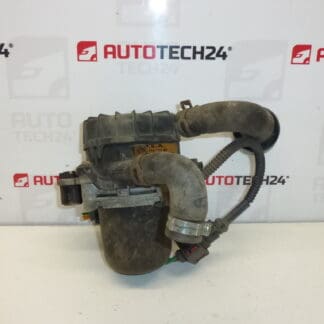
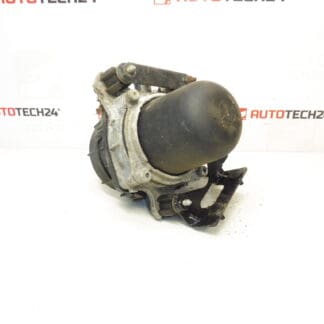
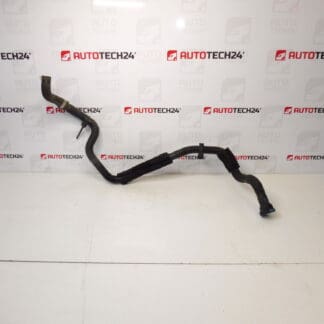
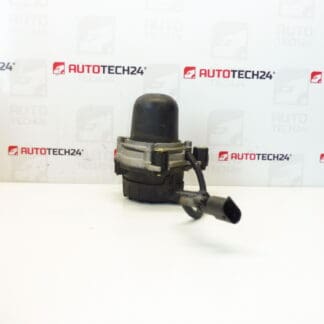
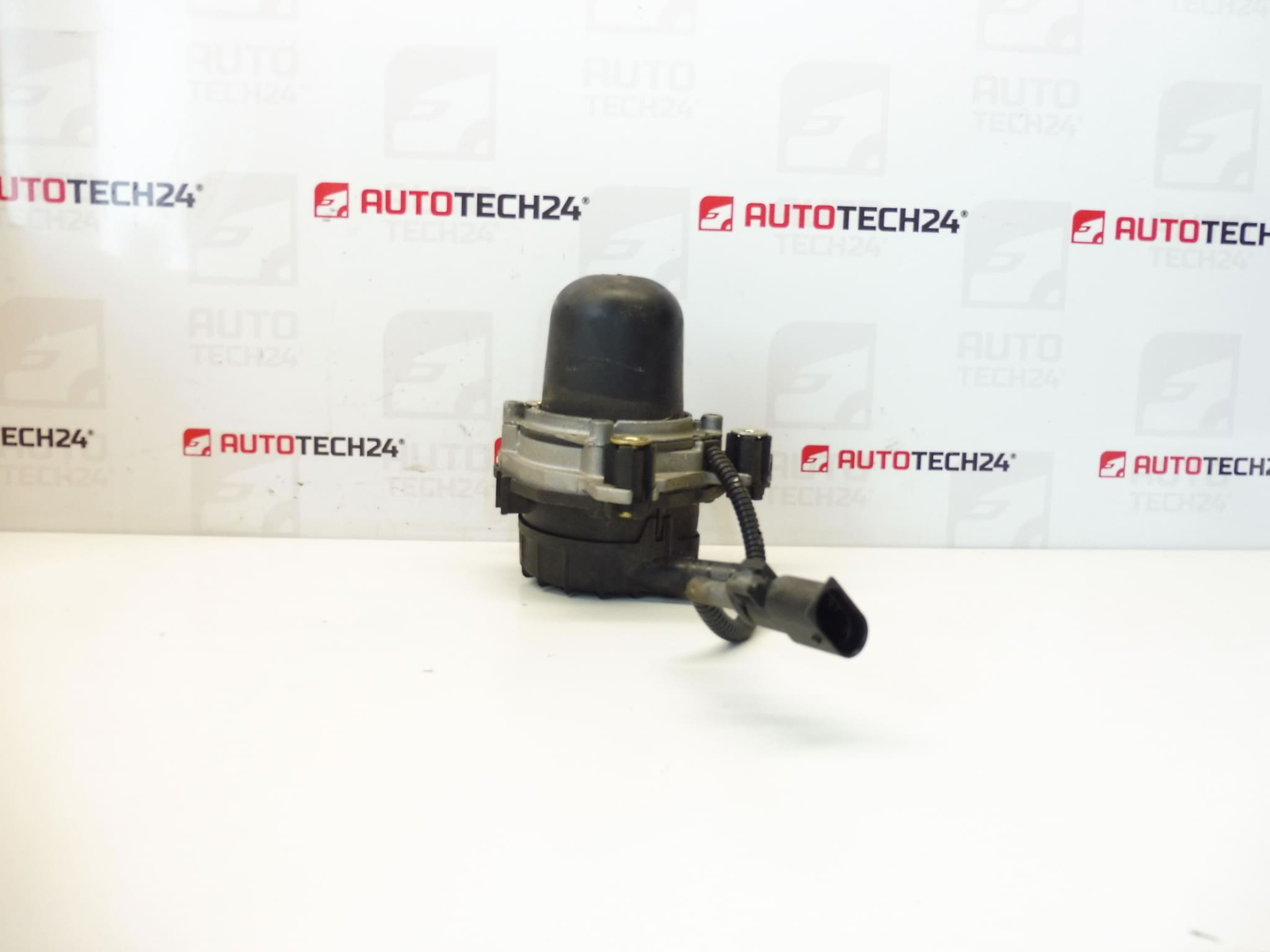
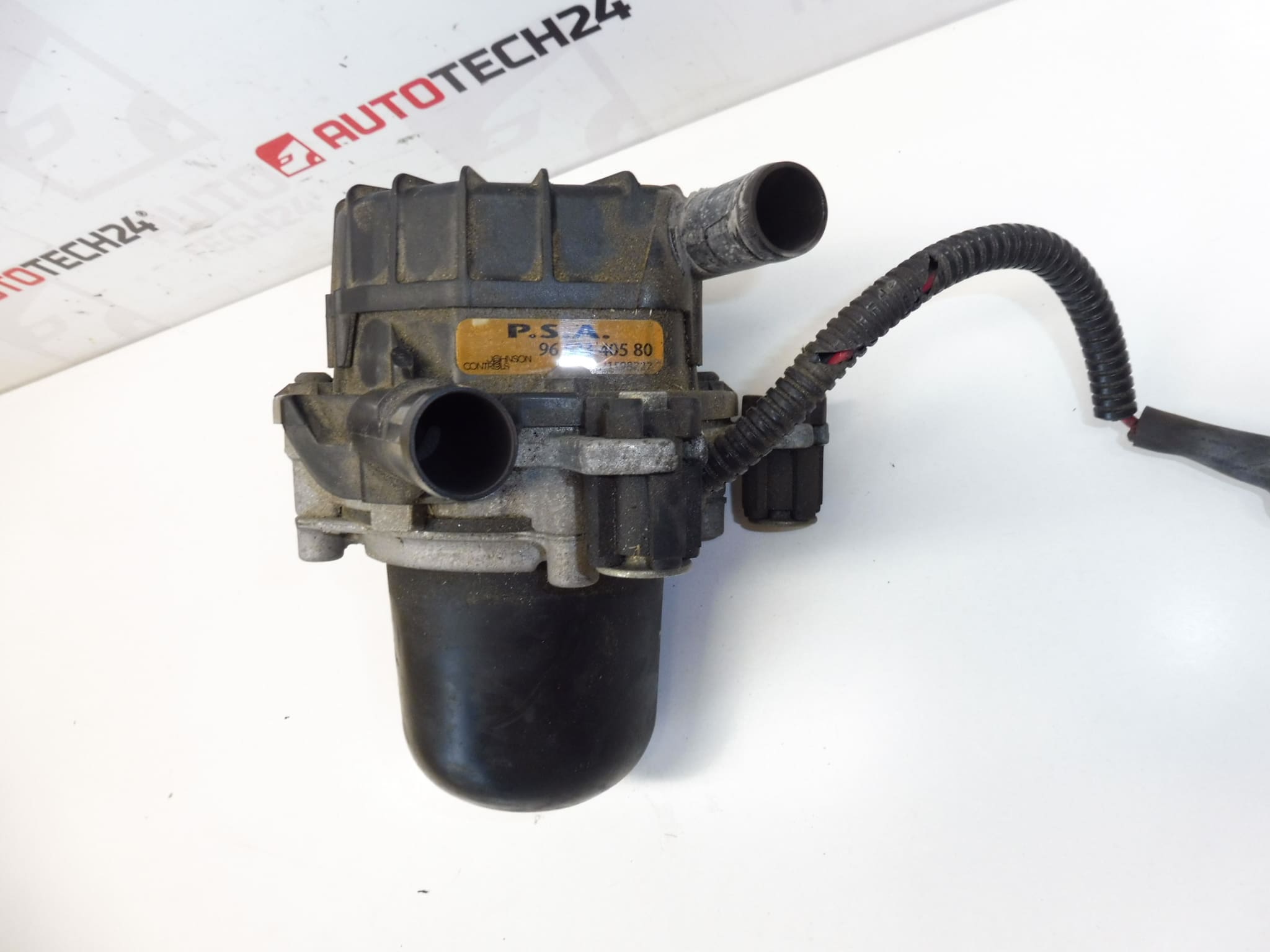
Air Pump (recirculation) suitable for petrol engines Citroën Peugeot. Tested – functional.
This secondary air pump is designed for petrol engines in Citroën and Peugeot models and is commonly searched by its original part numbers. The pump supplies additional air into the exhaust during cold starts to improve combustion of unburned fuel, reduce emissions and help the catalytic converter reach operating temperature faster. Ideal for professional workshops and experienced DIY mechanics who need a reliable replacement part that restores proper secondary air injection operation.
Technical Information
- Manufacturer: Stellantis
- Model: Citroën C4, Citroën C5, Citroën Xsara Picasso, Peugeot 206, Peugeot 307, Peugeot 407
- Product Codes: 9653340580, 1618E4
- Additional Numbers: 16180000
Installation Recommendations
Replace the air pump using basic workshop tools. Typical replacement steps:
- Disconnect the negative battery terminal before starting to avoid electrical shorts.
- Remove any undertray or wheel-arch liners that block access to the pump.
- Unplug the electrical connector and carefully detach the air hoses and check valve leading to the pump.
- Unscrew the mounting bolts and remove the pump. Compare the unit and hoses to ensure correct fitment.
- Install the new pump, tighten mounting bolts to original specifications, reconnect hoses and electrical connector, then restore battery power.
- After installation, start the engine and check for correct operation. Clear any stored fault codes and verify there are no air leaks in hoses or connections.
Recommended Tools: Socket set, Torx/Allen bits as required, flat screwdriver for hose clamps, basic fault-code reader. Replace damaged hoses, gaskets or check valves during installation to avoid repeated failures.
Why This Part Fails Most Often
- Water Ingress: Exposure to road spray or condensation can cause the electric motor to short or corrode internal components.
- Electrical Wear: Worn brushes or connector corrosion lead to intermittent operation or total failure.
- Blocked Valves or Hoses: Carbon deposits and soot can clog the check valve or hoses, preventing proper air flow.
- Heat And Mechanical Stress: High underbonnet temperatures and vibration can damage internal bearings or seals over time.
Using the correct part numbers (9653340580, 1618E4) when searching ensures fast identification and replacement. This pump restores secondary air injection performance, helps eliminate related fault codes and supports emissions compliance during warm-up. Suitable for both professional repair shops and competent DIY mechanics looking for a direct-fit replacement for the listed Citroën and Peugeot models.