Description
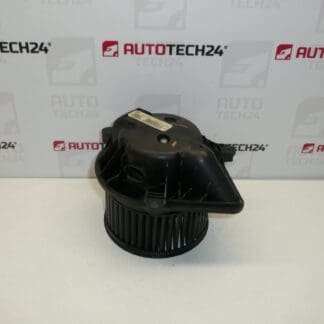
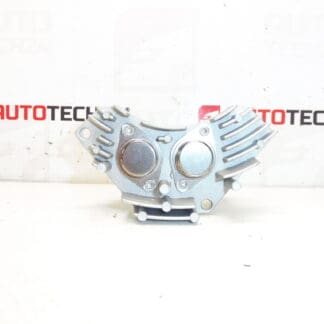
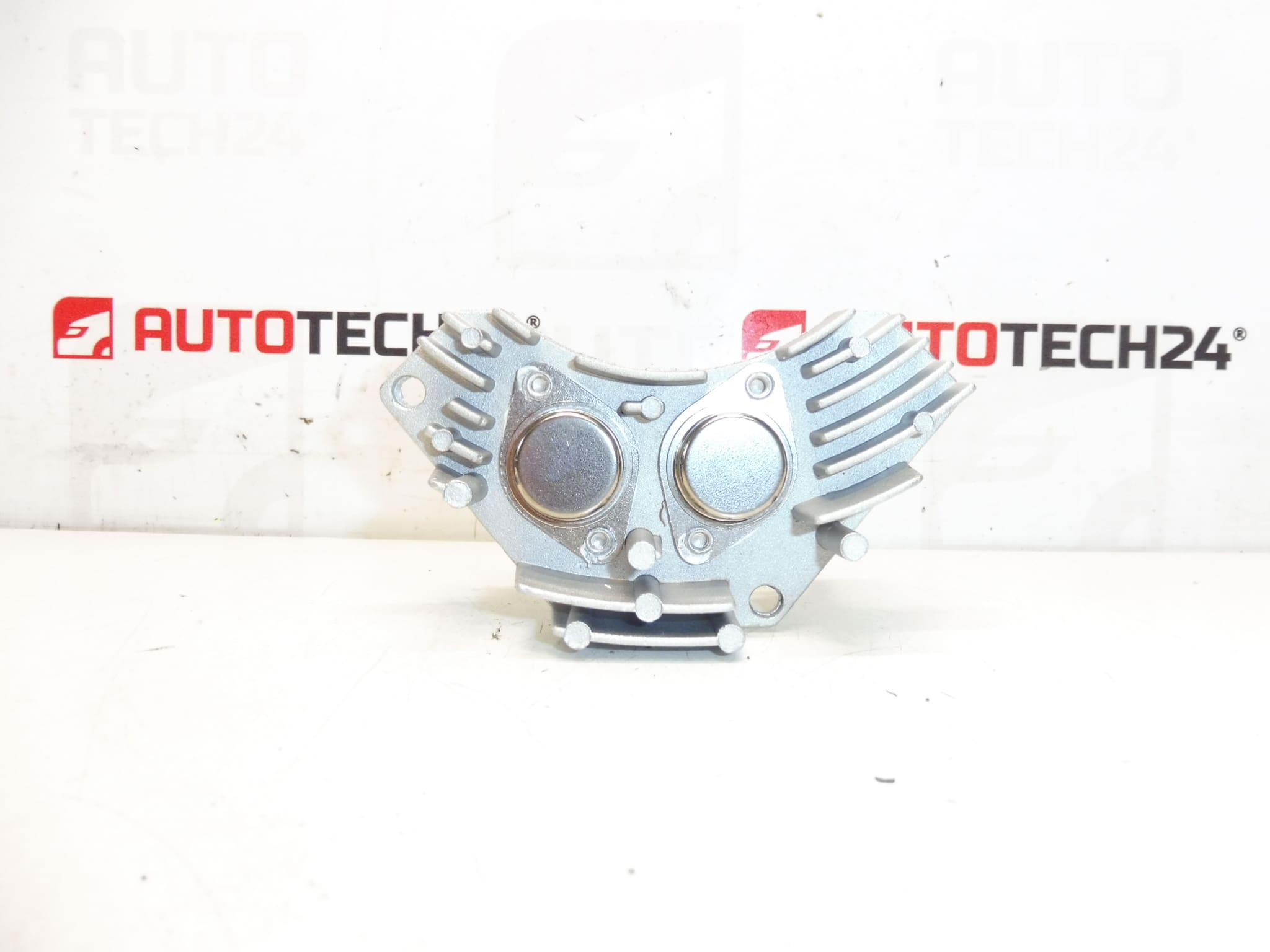
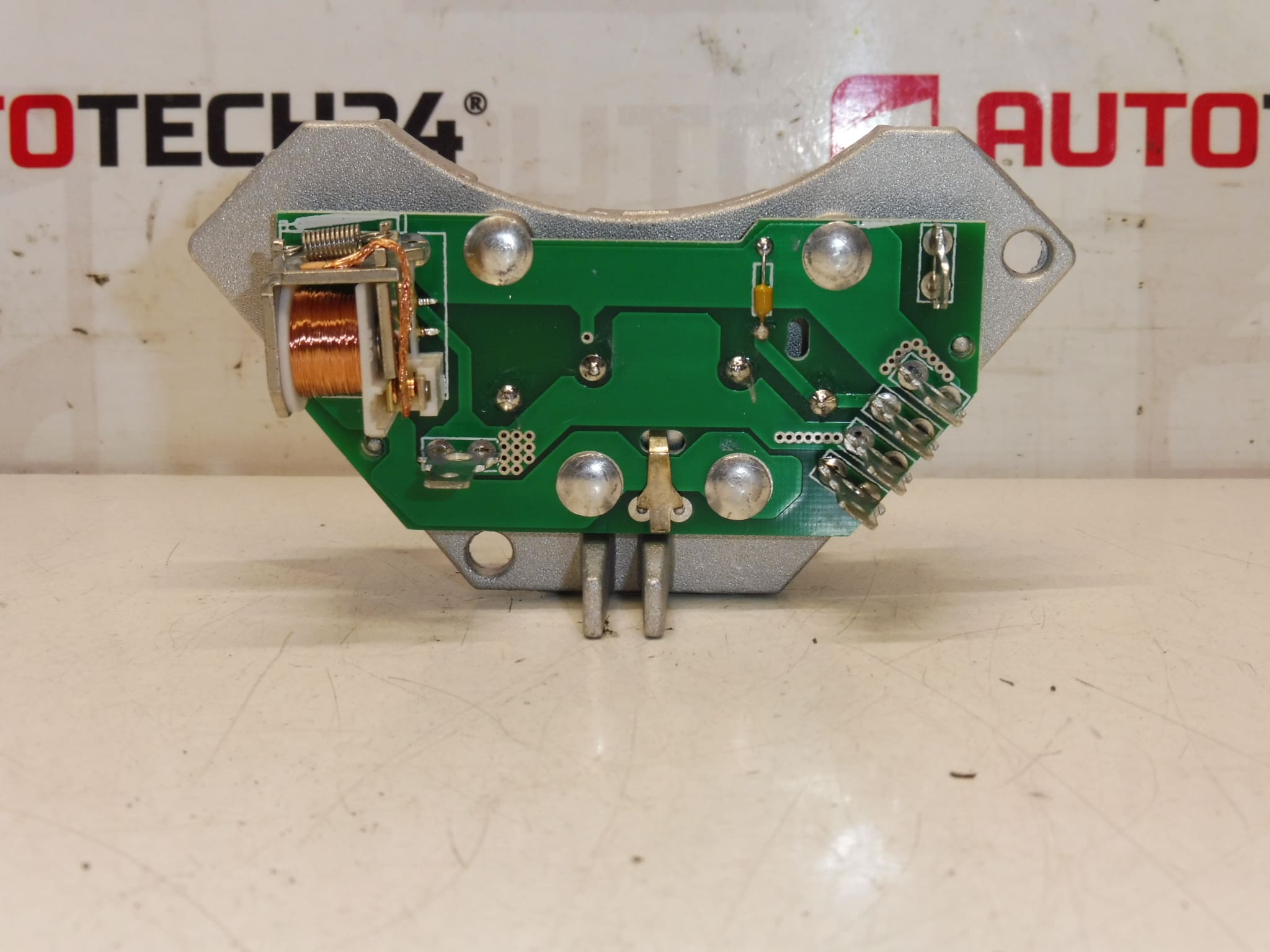
Heater Fan Regulator for Citroën AX, Saxo, Xantia, XM, Berlingo, Xsara, ZX and Peugeot 106, 405, 406, 605 and Partner
This Heater Fan Regulator (part number 644178) is a direct-fit electrical component for a range of older Citroën and Peugeot models. It controls the blower motor speeds of the heating and ventilation system, restoring regulated airflow and reliable climate control. Designed for professional workshops and experienced DIY mechanics, this unit is a practical replacement when low or missing fan speeds, intermittent blower operation, or visible damage to the resistor pack is diagnosed. Supplied for a wide variety of models, it increases serviceability of older Stellantis vehicles and helps return comfortable cabin ventilation quickly.
Technical Information
- Manufacturer: Stellantis / Citroën / Peugeot
- Model: Citroën AX, Saxo, Xantia, XM, Berlingo, Xsara, ZX; Peugeot 106, 405, 406, 605, Partner
- Product Codes: 644178
- Other Numbers: Not Available
Function And Symptoms
The regulator (blower resistor) modulates current to the heater blower motor to provide selectable fan speeds. Typical symptoms of a failing unit include loss of one or more blower speeds (often only high speed remains), intermittent blower operation, humming or burning odor from the dash, or visible heat damage/corrosion on the resistor module. Replacing the regulator usually restores all fan speeds when the blower motor itself is serviceable.
How It Is Replaced
Typical replacement steps (vehicle-specific details may vary):
- Disconnect the negative battery terminal to prevent short circuits when working on electrical connectors.
- Access The Regulator: It is commonly mounted in the heater box near the blower motor. On many models this is reachable from the passenger footwell after removing the glovebox or an access panel.
- Unplug The Electrical Connector and remove the mounting screws securing the resistor pack to the heater housing.
- Replace The Unit And Reassemble: Fit the new regulator, secure screws, reconnect the plug and battery, then test all blower speeds and functions.
- Verify Operation: Test fan speeds at each setting and check for unusual noises or overheating. If only high speed works after replacement, inspect the blower motor for excessive current draw or worn brushes.
Installation Recommendations
- Use Basic Electrical Safety: Disconnect the battery before starting work and avoid pulling on wiring — release connector clips carefully.
- Inspect The Blower Motor And Connectors: A failing blower motor can overload and rapidly damage a new resistor; measure motor current if possible.
- Clean Contact Surfaces: Remove corrosion from connector pins and apply a small amount of dielectric grease to protect against moisture.
- Check Mounting Seals: Ensure the heater box seals are intact to prevent water ingress that can corrode the resistor in the future.
Why This Part Fails Most Often
- Overheating: Resistor tracks can burn out with age or when the blower motor draws excessive current.
- Corrosion And Moisture Ingress: Water or high humidity in the heater box causes connector and resistor failure.
- Electrical Problems: Loose connectors, shorts, or poor grounding increase heat and accelerate wear.
- Blower Motor Wear: Worn brushes or a partially seized motor increase current draw and shorten the resistor’s lifespan.
Additional Diagnostic Tips
Before replacing the regulator, check for:
- Voltage At The Connector With The Fan Switched On (compare to battery voltage).
- Excessive Current Draw From The Blower Motor—an indicator the motor may be failing.
- Visible Damage Or Burn Marks On The Old Resistor Pack.
- Intermittent Operation Caused By Loose Connectors—clean and reseat before replacement.
This replacement part is aimed at professional mechanics and competent DIYers familiar with electrical diagnostics and safe workshop practices. Proper inspection of the blower motor and connectors will maximize the lifespan of the new regulator and avoid repeated failures.