Description
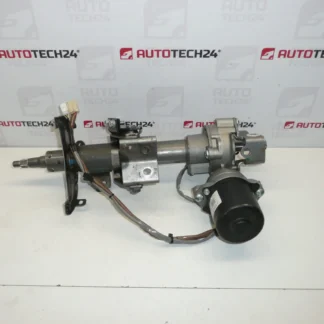
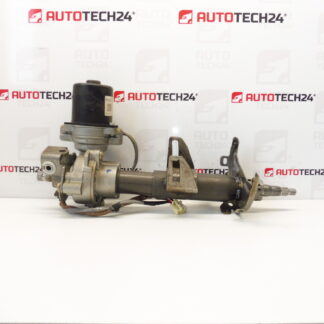
Electric power steering column Jtekt or Denso or Koyo. For Citroën C1, Peugeot 107 and Toyota Aygo. Tested, fully functional.
Direct-fit electric power steering column designed as a replacement unit for Citroën C1, Peugeot 107 and Toyota Aygo. This unit is supplied by well-known OEM manufacturers (Jtekt, Denso or Koyo) and is a common service part for workshops and DIY mechanics who need a reliable solution for loss of power assist, unusual steering noise or intermittent electrical faults. The part is often searched for by its product codes, so see the Technical Information section below for all relevant references.
Key Features
– Electric power assistance integrated into the steering column for compact installation and improved packaging compared with hydraulic systems.
– OEM-level components from Jtekt, Denso or Koyo depending on supply batch.
– Direct replacement for factory-fit columns on compatible models — no modifications to the steering rack required when correctly fitted.
– Ideal for professional garages and experienced home mechanics familiar with SRS and electrical systems.
Application
Compatible with the steering systems of the following cars: Citroën C1, Peugeot 107, Toyota Aygo. Check the product codes in the Technical Information to match the exact variant used on the vehicle.
Technical Information
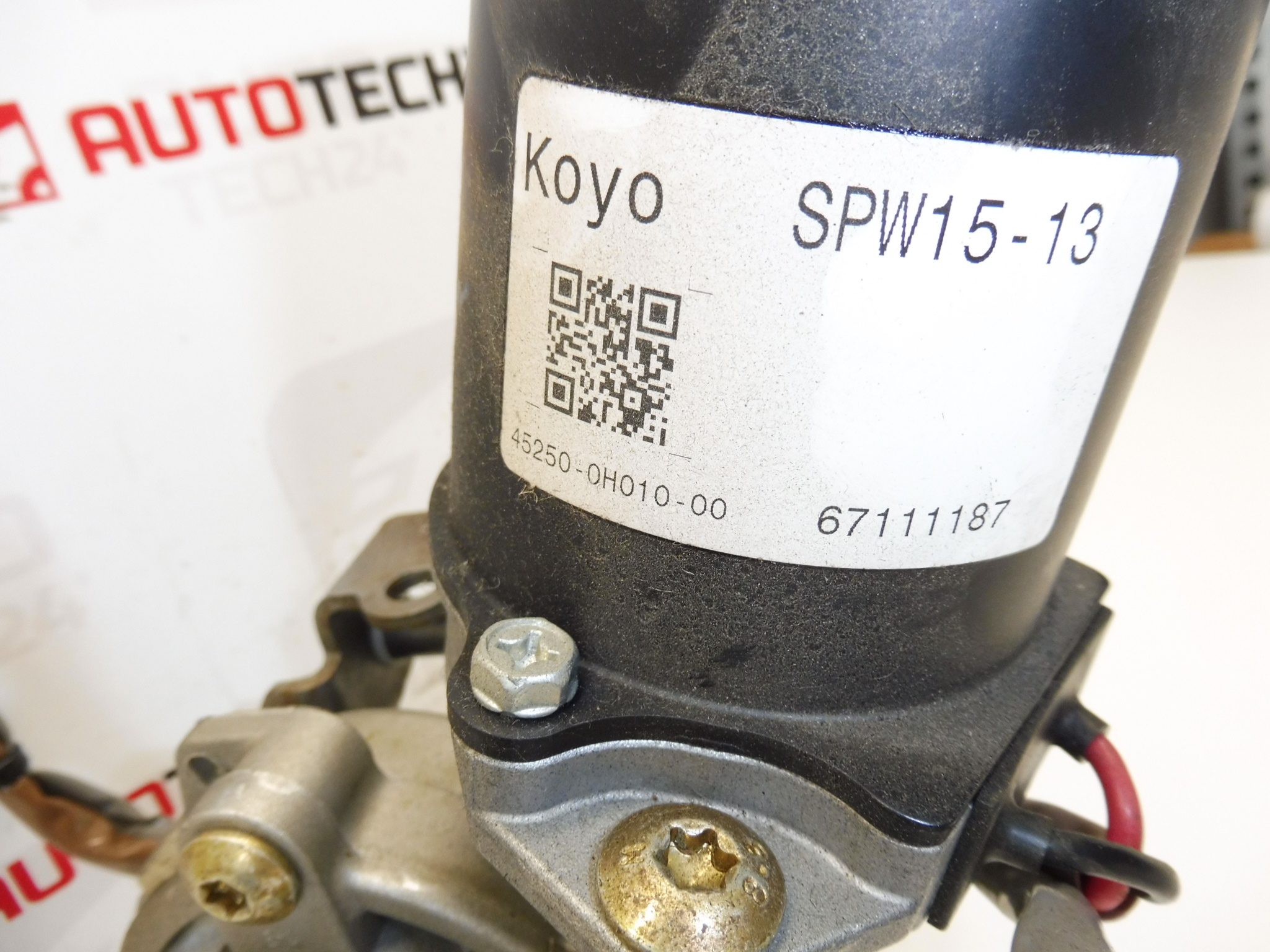
- Manufacturer: Jtekt / Denso / Koyo
- Model: Citroën C1, Peugeot 107, Toyota Aygo
- Product Codes: 45250-0H010-00, 45250-010-00, 995-10500
- Other Numbers: 4123AV, 4123S8
Installation Recommendations
Careful installation is essential for safety and correct operation. Recommended general procedure:
- Disconnect the battery and wait for the vehicle manufacturer recommended time to allow SRS capacitors to discharge.
- Observe all airbag and SRS safety procedures. Remove the airbag and steering wheel only if you are trained to do so.
- Mark steering wheel position relative to the shaft to preserve wheel alignment. Ensure the front wheels are in straight-ahead position before disassembly.
- Remove lower dash/trim panels to access column mounting bolts and electrical connectors.
- Disconnect column electrical connectors and remove mounting bolts. Remove the old column carefully and fit the replacement unit in reverse order.
- Transfer any vehicle-specific parts (ignition barrel/lock, trim pieces) if required by the vehicle’s design.
- Tighten all fasteners to the vehicle manufacturer’s torque specifications and reconnect electrical connectors securely.
- After installation, perform required diagnostic checks and calibrations — for example steering angle sensor and EPS initialization — using an appropriate diagnostic tool.
- Carry out a careful road test to verify assist function, absence of noise and proper steering wheel alignment.
Most Common Failure Causes
Electric steering columns combine mechanical and electronic parts; the most frequent causes of failure are:
- Electrical faults: damaged connectors, corroded wiring or intermittent contact in the column harness.
- Torque sensor or motor failures: wear or electronic faults in the torque/torque-sensor assembly can cause loss of assist or error warnings.
- Water ingress or contamination: moisture can damage electronics inside the column, especially after front-end impacts or poor sealing.
- Mechanical wear or impact damage: collisions, heavy use or improper handling during removal/installation can damage bearings, joints or the column body.
- Clock spring/Airbag connector issues: related components can create warning lights or steering faults that appear to come from the column.
Why Choose This Part
This electric power steering column is supplied by established OEM component manufacturers and offers a reliable replacement path for vehicles exhibiting EPS faults. It is suitable for professional fitting and for experienced DIY mechanics who follow safety and diagnostic procedures. Because many customers search by product code, the included references make it easier to confirm fitment quickly.
Notes
Do not attempt repair or modification of the internal electronics unless you are qualified. Always adhere to the vehicle manufacturer’s safety instructions when working with steering and SRS systems.