Description
BOSCH brake booster for Stellantis vehicles
From a vehicle with 33,000 km mileage
Part description
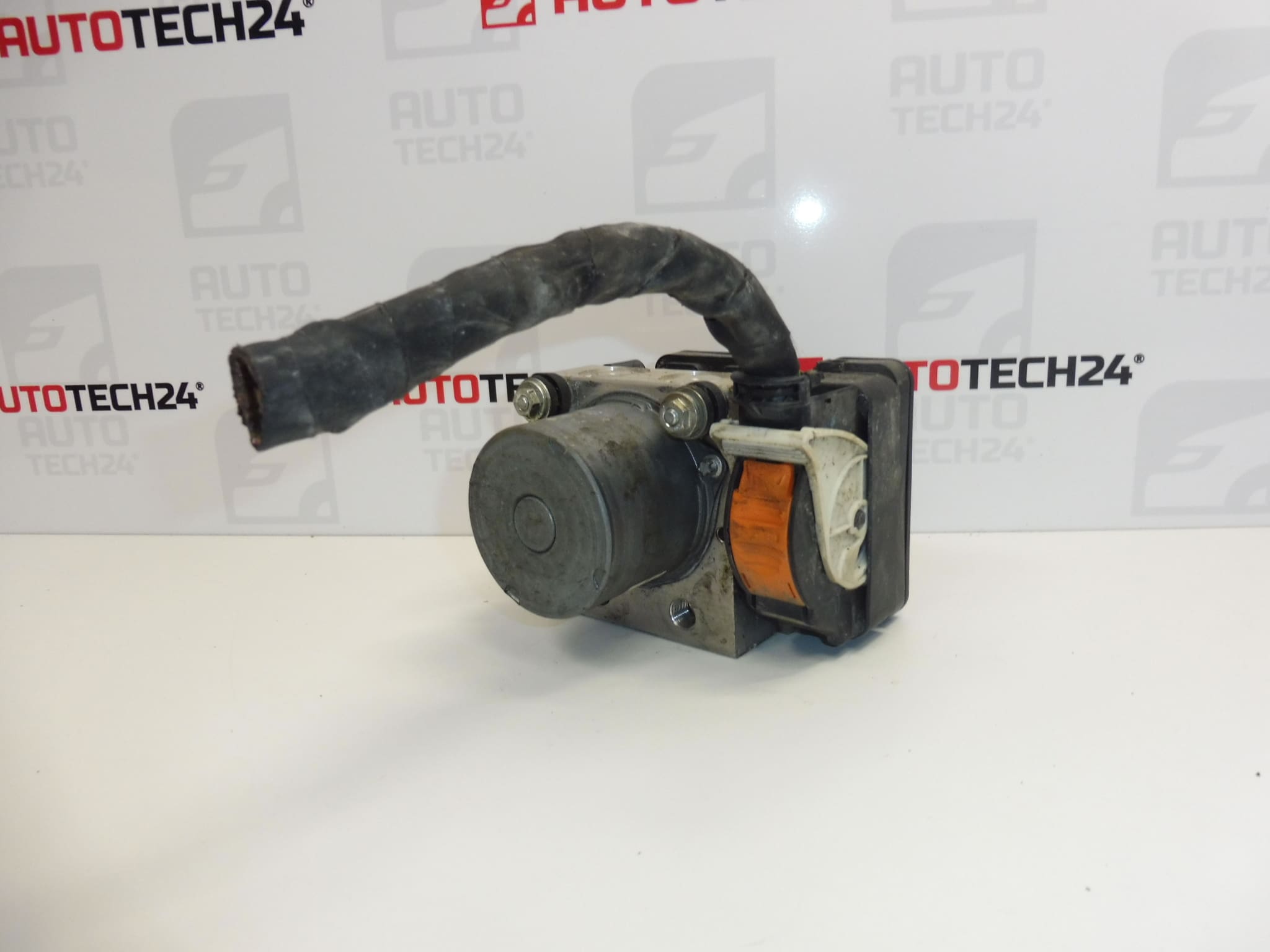
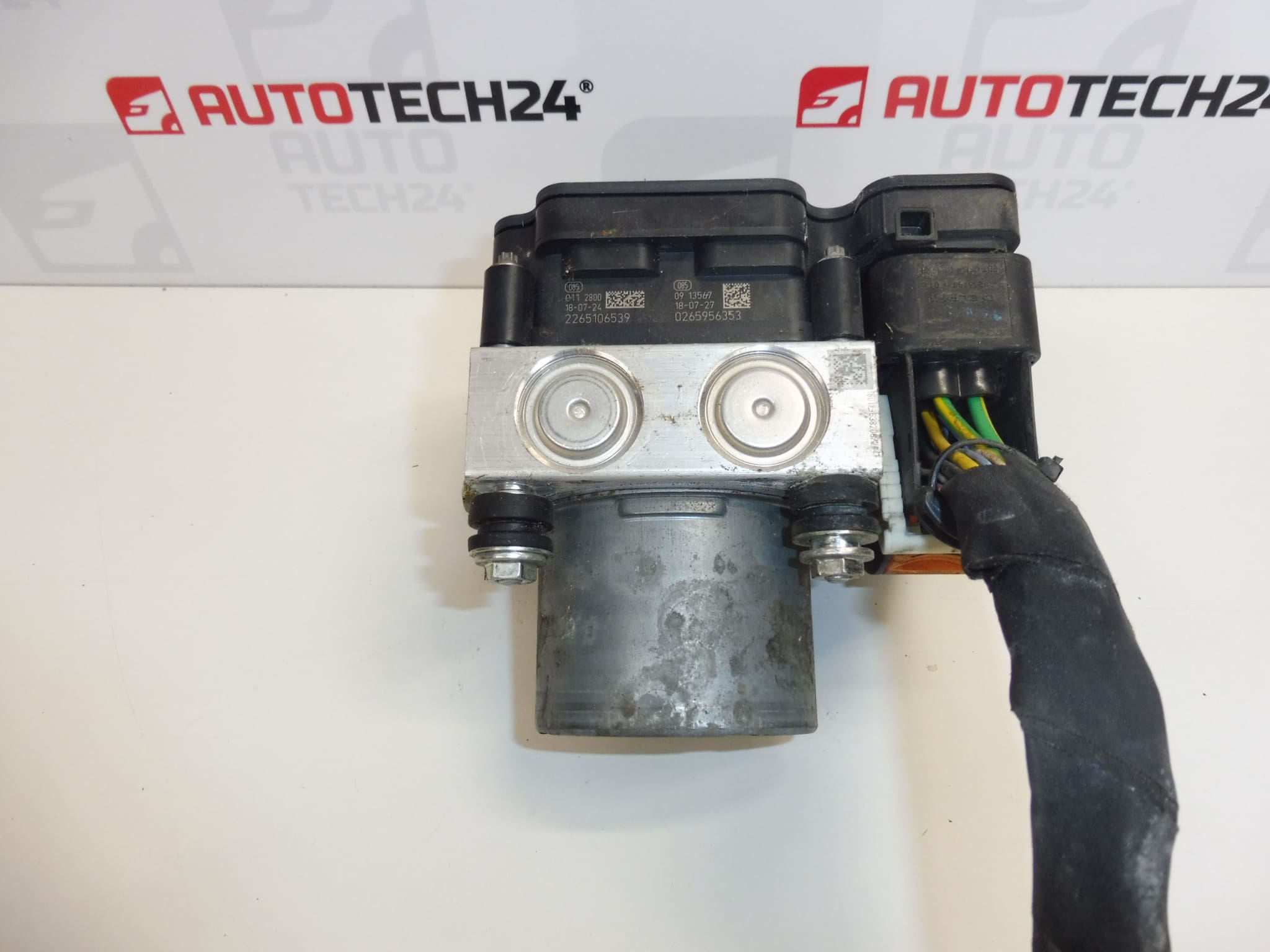
The used BOSCH brake system part is listed as an ABS ESP unit for Citroën Peugeot under numbers 0265956353 and 9812786180. The documentation also lists number 1654078580. One advantage is the documented mileage of the donor vehicle: 33,000 km. However, this alone does not replace checking the condition and functionality of the used part.
The original description identifies the component as a brake booster, while the name and category classify it as an ABS ESP module. Before selecting it, therefore, compare the markings and design with the old part. A match with the vehicle model alone is not sufficient grounds for substitution. This used part may be an economical repair solution if it matches the required specification and the fault in the original component has been correctly identified.
Technical information
- Manufacturer: BOSCH
- Model: Citroën Berlingo K9; FIAT DOBLO III; OPEL COMBO E K9; PEUGEOT PARTNER III; PEUGEOT RIFTER – designations taken from the listing labels.
- Other numbers: 1654078580
- Category: brake system, ABS ESP modules; the original description refers to a brake booster.
- Condition: used part.
- Donor vehicle mileage: 33,000 km.
- Model years, engine options and specific brake system specification: not specified.
Product codes
Product codes: 0265956353, 9812786180, 1654078580.
The numbers are used to identify the listing and compare it with the markings on the original component. The documentation does not confirm that all the numbers listed are interchangeable for every vehicle specification.
Installation recommendations
The following general procedure applies to replacing a brake system part. Due to the differing designations in the documentation, it is not possible to safely determine the exact type of component or specific installation procedure. The exact steps depend on the vehicle model and the actual part specification. Entrust work on the brake system to someone with the appropriate knowledge and equipment.
1) Before installation
- Verify the cause of the fault. In electronically controlled brake systems, the problem may also be related to the power supply, wiring or associated components.
- Compare the markings, housing shape, mounting points and, depending on the specification, the connectors and connection points with the old part.
- Check for cracks, deformation, corrosion, damaged contacts and any signs of leaks. Dirt must not enter open connections.
- Find out in advance what the manufacturer requires for diagnostics, any adjustments and bleeding for the exact type of part being installed.
2) Required tools and materials
In general, prepare suitable hand tools, a torque wrench, protective equipment, clean cloths and materials for protecting open connections. Depending on the specification, compatible diagnostic equipment and tools for servicing the brake hydraulics may be required. Select materials and service values according to the documentation for the specific vehicle.
3) Step-by-step installation procedure
- Park the vehicle safely, secure it against movement and prepare a work area where there is no risk of contaminating components.
- If the system condition allows, record the diagnostic findings and information needed for subsequent commissioning.
- Switch off the ignition. Disconnect the battery and, if necessary, release any residual pressure in accordance with the manufacturer’s service procedure.
- Access the part according to the vehicle documentation. Before disconnecting anything, note the routing and position of the connected components.
- Clean the area around the connections. If the hydraulic section is opened, prepare to protect the connections from dirt and contain any leaks.
- Carefully disconnect the connections appropriate to the actual type of part. Release connectors by their locking tabs, not by pulling on the wires.
- Release the mountings and remove the original component without straining nearby lines. Compare the two parts once again.
- Fit the replacement part without applying strain. Tighten the mountings according to the manufacturer’s specifications and reconnect all relevant connections.
- If the hydraulic circuit was opened, carry out the prescribed filling and bleeding procedure. If the procedure requires diagnostic control of the system, use suitable equipment.
- Restore the power supply according to the manufacturer’s procedure and carry out any prescribed adjustments, diagnostics and static functional checks.
4) Checks after installation and test drive/functional verification
Check that the part is securely mounted, the connectors are locked, the lines are routed without strain and any opened connections are leak-free. Check brake pedal behavior, warning lights and diagnostic results according to the system specification. Do not drive the vehicle if there is a leak, unusual pedal behavior or an unresolved brake fault. Only carry out a test drive after the static checks have been passed, and do so carefully in a safe location.
5) Most common installation errors + how to avoid them
- Choosing the wrong specification: compare both the numbers and the design, not just the model name.
- Contaminating connections: work cleanly and protect open connections immediately.
- Damaging connectors or lines: do not use force and maintain the original routing without strain.
- Skipping bleeding or adjustment: follow the manufacturer’s requirements for the specific type of component.
- Replacing the part without identifying the cause: check related components before installation so that the original problem is as unlikely as possible to persist.
Reasons why the part may be damaged
In general, the following factors can damage brake system components; this is not a description of faults found in the item being offered:
- Moisture and corrosion, which affect the housing, connections or electrical contacts.
- Mechanical stress, impact or improper handling during removal and installation.
- Power supply faults in electrical components, damaged wiring or water ingress.
- Dirt and neglected maintenance in hydraulic components, which can contribute to wear and leaks.
- Long-term operating and thermal loads, the effects of which depend on the design and conditions of use.