Description
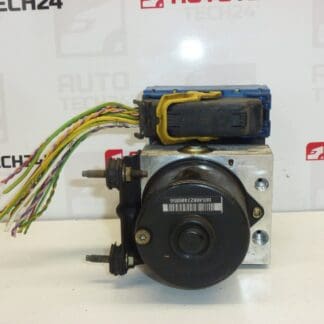
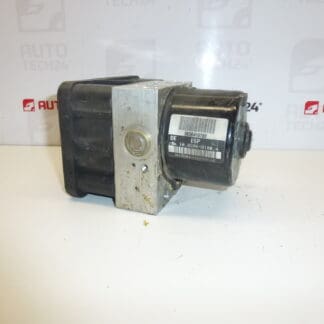
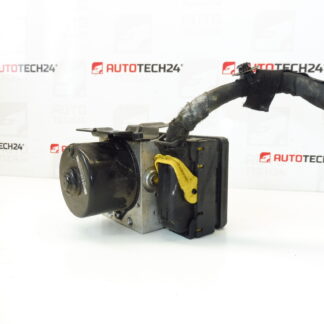
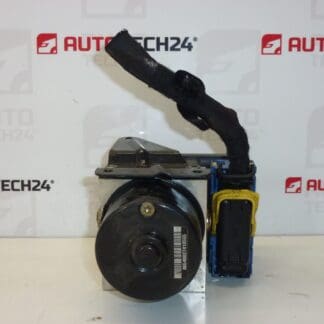
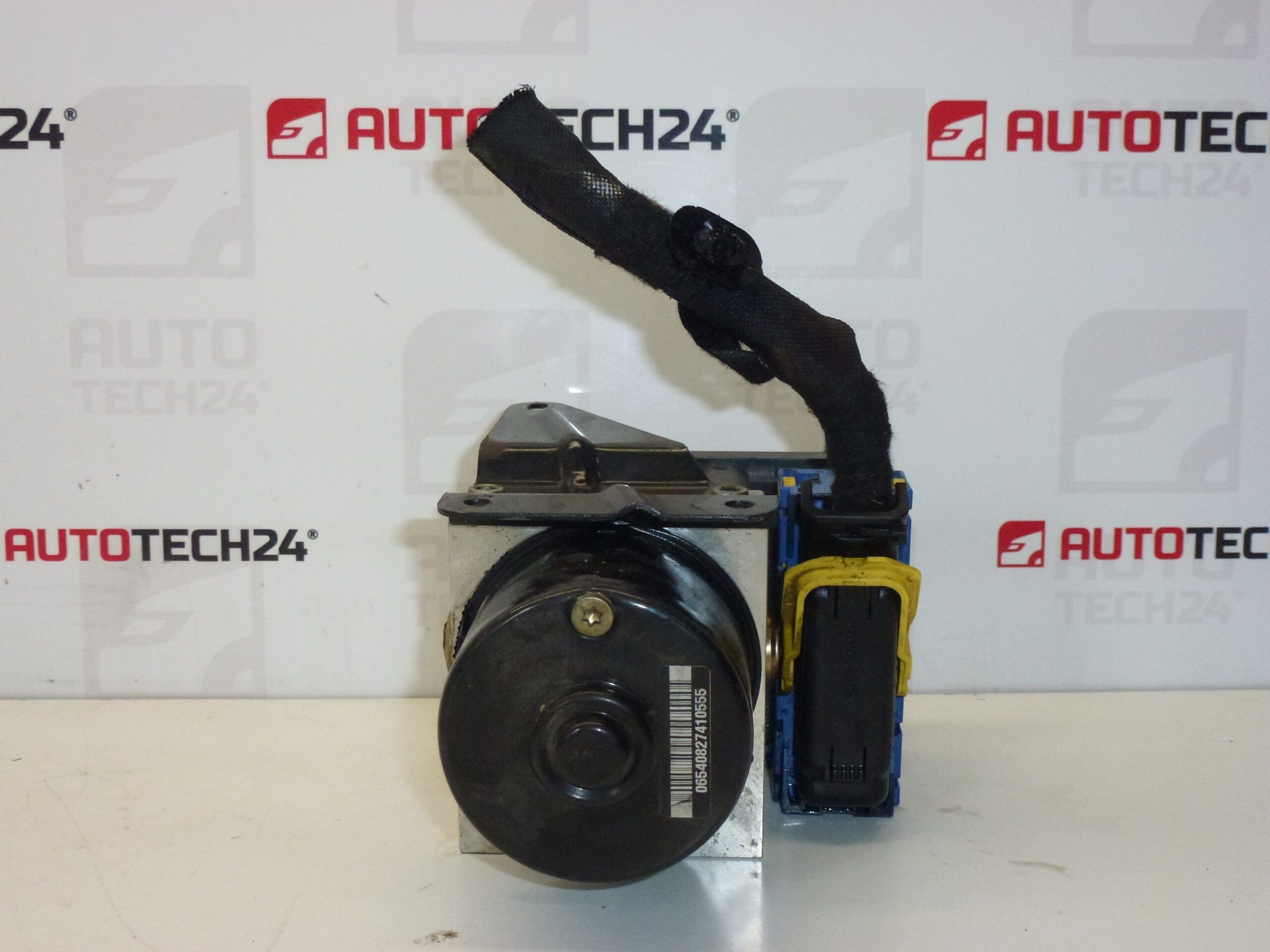
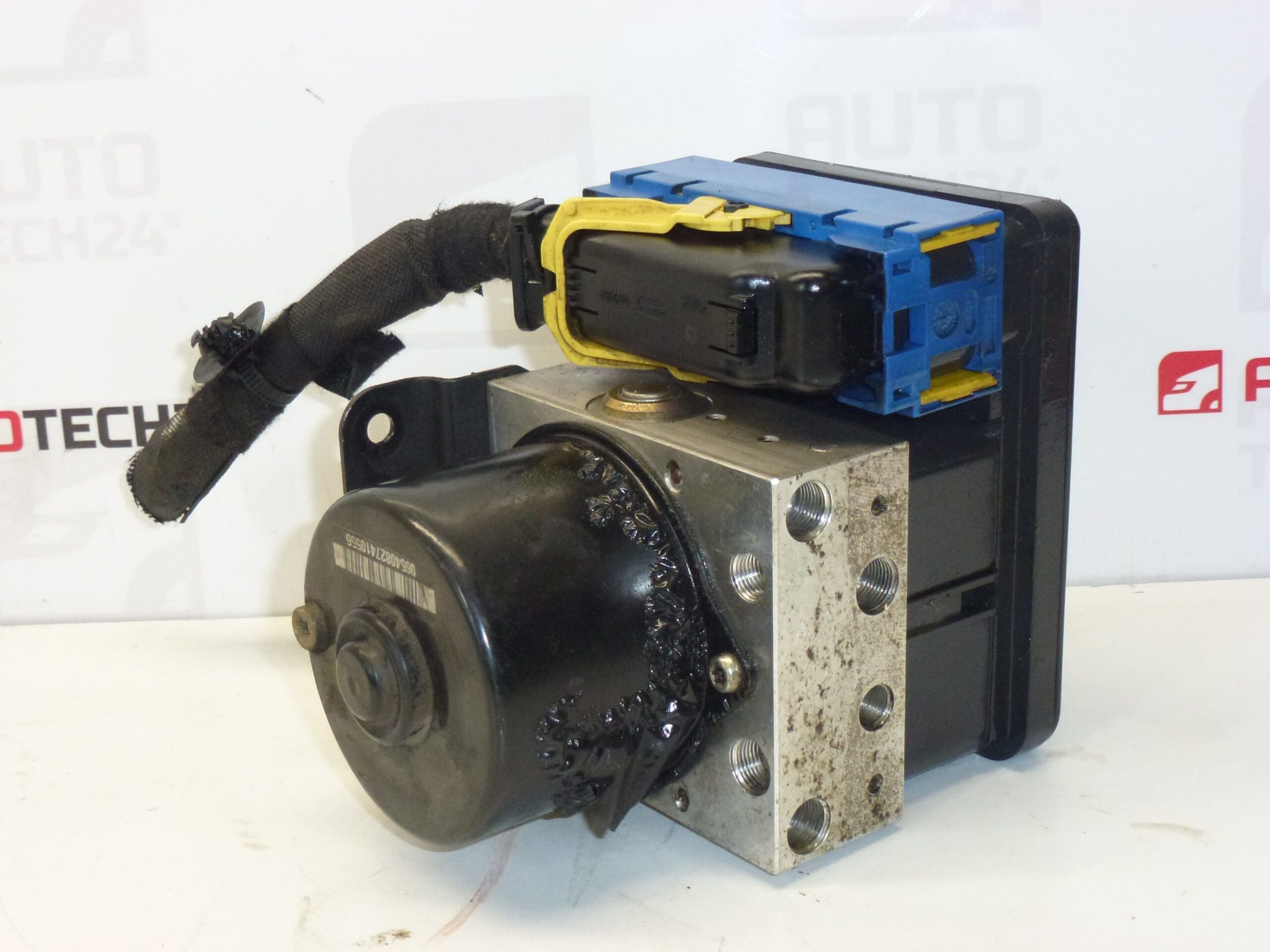
Control module, pump, unit, ABS/ESP ATE Citroën C5 with a piece of wiring.
This ABS/ESP hydraulic unit from ATE is designed for Citroën C5 II and combines the pump, electronic control module and part of the wiring harness into a single replacement assembly. It restores hydraulic modulation and anti-lock braking/traction control functions by controlling brake fluid pressure to individual wheels during ABS/ESP interventions. The unit is commonly searched and identified by its part numbers, so customers frequently look for the item using stamped or catalog numbers such as 10.0960-1147.3, 10.0206-0189.4 or OEM codes like 9657061080.
The module is suitable for professional fitters and competent DIY mechanics who are familiar with brake systems. Installation returns full ABS/ESP functionality when the fault is caused by a failed pump motor, internal valve block or electronics. After fitting, the vehicle will normally require an electronic bleed/initialization with a diagnostic tool to clear fault codes and cycle valves to remove trapped air.
Technical Information
- Manufacturer: ATE / Stellantis (Peugeot Citroën)
- Model: Citroën C5 II (Second Generation)
- Product Codes: 10.0960-1147.3; 10.0206-0189.4
- Other Numbers: 9657061080; 4542F0; 4542F1; 4541G1; 4541G2
Installation Recommendations
- Disconnect The Battery Before Work To Prevent Short Circuits And Fault Codes.
- Access The ABS/ESP Unit From The Engine Bay; It Is Usually Mounted To The Brake Master Cylinder/Booster Area.
- Carefully Disconnect Electrical Connectors And Brake Lines; Use Correct Flare/Wrench Tools To Avoid Damaging Fittings.
- Replace The Unit As A Complete Assembly Including The Supplied Wiring Piece To Ensure Proper Connections.
- After Mechanical Fitment, Perform An Electronic Bleed/Initialization With A Diagnostic Tool To Cycle The Valves And Clear Stored Faults; Manual bleeding alone may not remove air from the modulator.
- Check For Leaks, Corroded Connectors And Secure Mounting; Verify That Brake Fluid Is Clean And At The Correct Level.
Most Common Failure Reasons
- Corrosion And Moisture Ingress: Electrical connectors and internal hydraulic channels can corrode, impairing pump motor or valve operation.
- Electrical Faults: Wiring damage, connector corrosion or internal electronics failure lead to intermittent or permanent loss of ABS/ESP function.
- Contaminated Or Old Brake Fluid: Debris and moisture accelerate wear of valves and the pump motor.
- Mechanical Wear: Pump motor brushes and internal valve components can wear with age and high mileage.
- External Damage: Road salt, impacts or previous improper repairs can damage the unit or its harness.
Notes For Purchase: This unit is often identified by its part numbers—searching by 10.0960-1147.3, 10.0206-0189.4 or 9657061080 will help you find the correct item quickly. Suitable for workshops and experienced DIYers who can perform safe brake system procedures and have access to diagnostic tools for proper commissioning.