Description
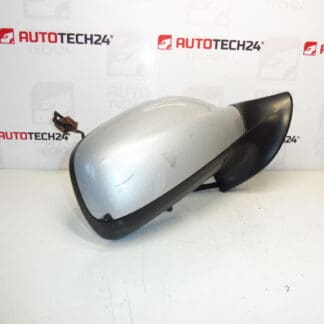
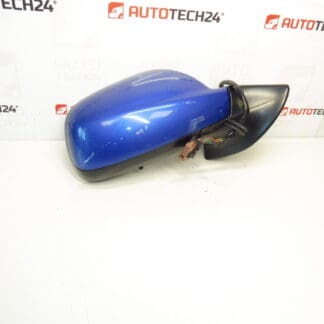
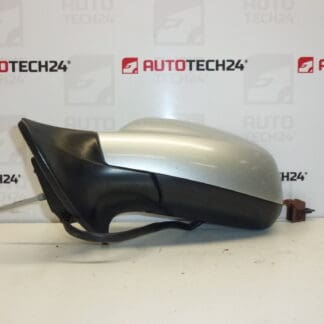
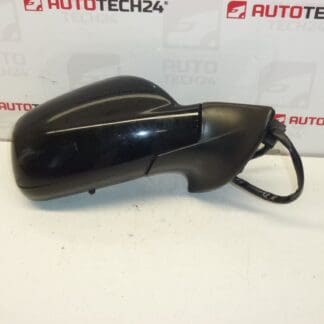
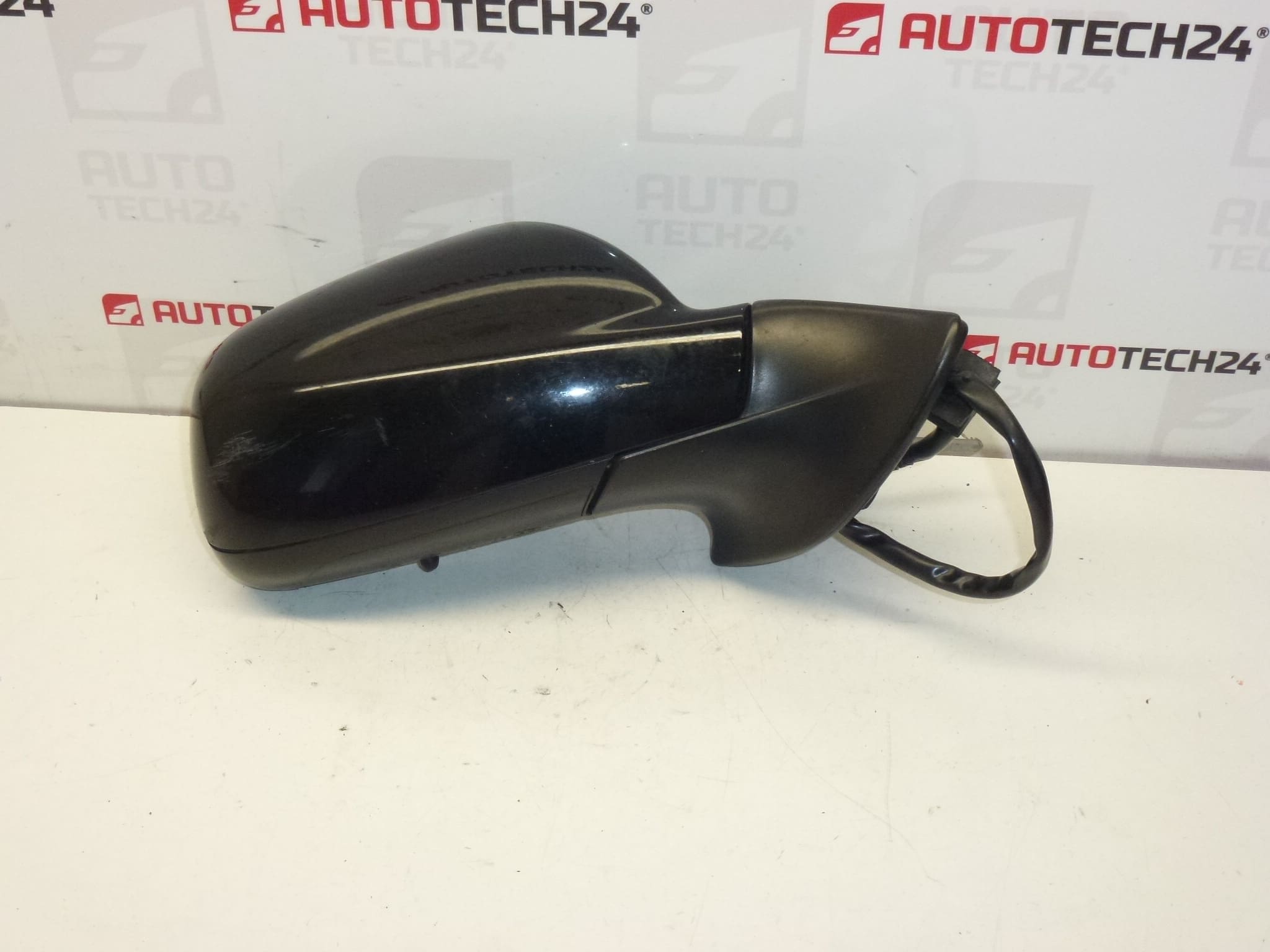
Right side rearview mirror for Peugeot 407 vehicles.
Electrically adjustable, electrically folding, heated, temperature sensor.
Color KTV – Paint Black Perla Nera.
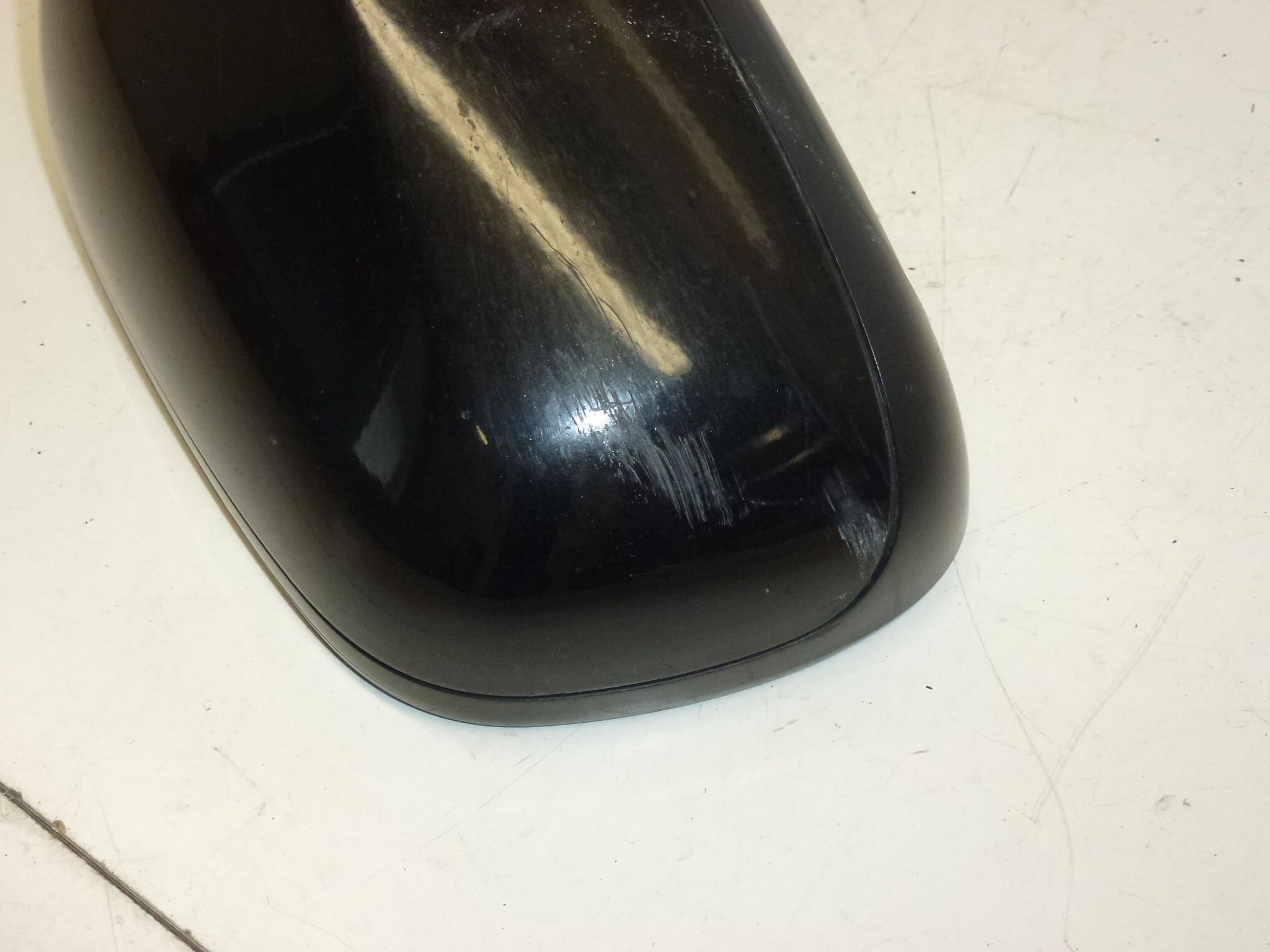
Light scratch, see photo.
Passenger Side.
This genuine-style right passenger mirror is a direct-fit replacement for Peugeot 407 models and is ideal for professional garages and DIY mechanics who need a reliable, feature-complete unit. It offers full electric adjustment, electric folding and an integrated heater with temperature sensor to ensure clear visibility in cold or wet conditions. The mirror comes in Black Perla Nera finish and is supplied with minor cosmetic wear (light scratch as shown), making it a cost-effective solution when the original unit is damaged by impact or element-related wear.
Technical Information
Manufacturer: Stellantis (Citroën / Peugeot)
Model: Peugeot 407
Product Codes: 96457004XT, 8149VC
Other Numbers: KTVD
Side: Right (Passenger)
Color: Black Perla Nera (KTV Paint)
Features: Electric Adjustment, Electric Folding, Heated Glass, Temperature Sensor
Condition Note: Light Scratch Visible (see Photo)
Compatibility And Fitment
Designed for Peugeot 407 models. The unit matches original electrical connectors and mounting points for straightforward replacement on compatible vehicles. Many customers search by product codes (96457004XT, 8149VC) to find this exact mirror.
Installation Recommendation
- Remove the interior triangular trim on the passenger door to access mounting screws—carefully pry trim to avoid damage.
- Disconnect the electrical connector for the mirror before removing mounting bolts.
- Support the mirror while removing the fasteners to prevent it from dropping and damaging the door paint.
- Install the new mirror, tighten mounting bolts to secure fitment, and reconnect the electrical connector.
- Test all functions after installation: mirror adjustment, electric folding, heater activation and temperature sensor response.
- If necessary, realign mirror glass and ensure seals are seated correctly to prevent water ingress.
Most Common Failure Reasons
- Impact Damage: Collisions or side-swipes are the primary causes of broken housings, cracked glass or misaligned mechanisms.
- Water Ingress And Corrosion: Seals and connectors exposed to moisture can corrode, causing motor or heater failures.
- Electrical Wear: Repeated folding cycles and exposure can wear actuators or wiring, leading to intermittent or complete loss of adjustment/folding function.
- Vandalism Or External Forces: Forced folding or tampering can damage the folding mechanism and mounts.
- Cosmetic Wear: Scratches and paint chips do not usually affect function but are common on outer housings—this unit has a light scratch visible in the photo.
Suitable for workshops and experienced DIYers who need a functional, feature-matching passenger-side mirror for Peugeot 407. Use the product codes listed above when searching to ensure correct selection.