Description
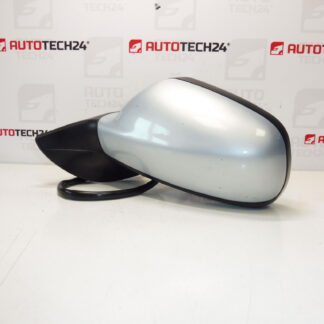
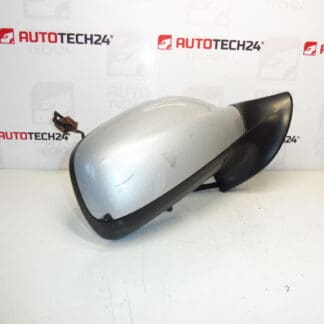
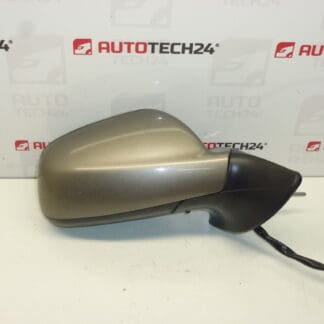
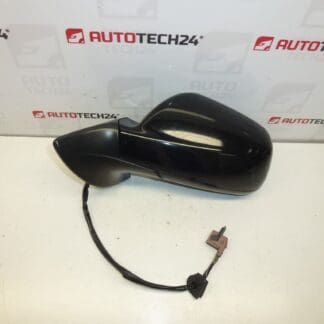
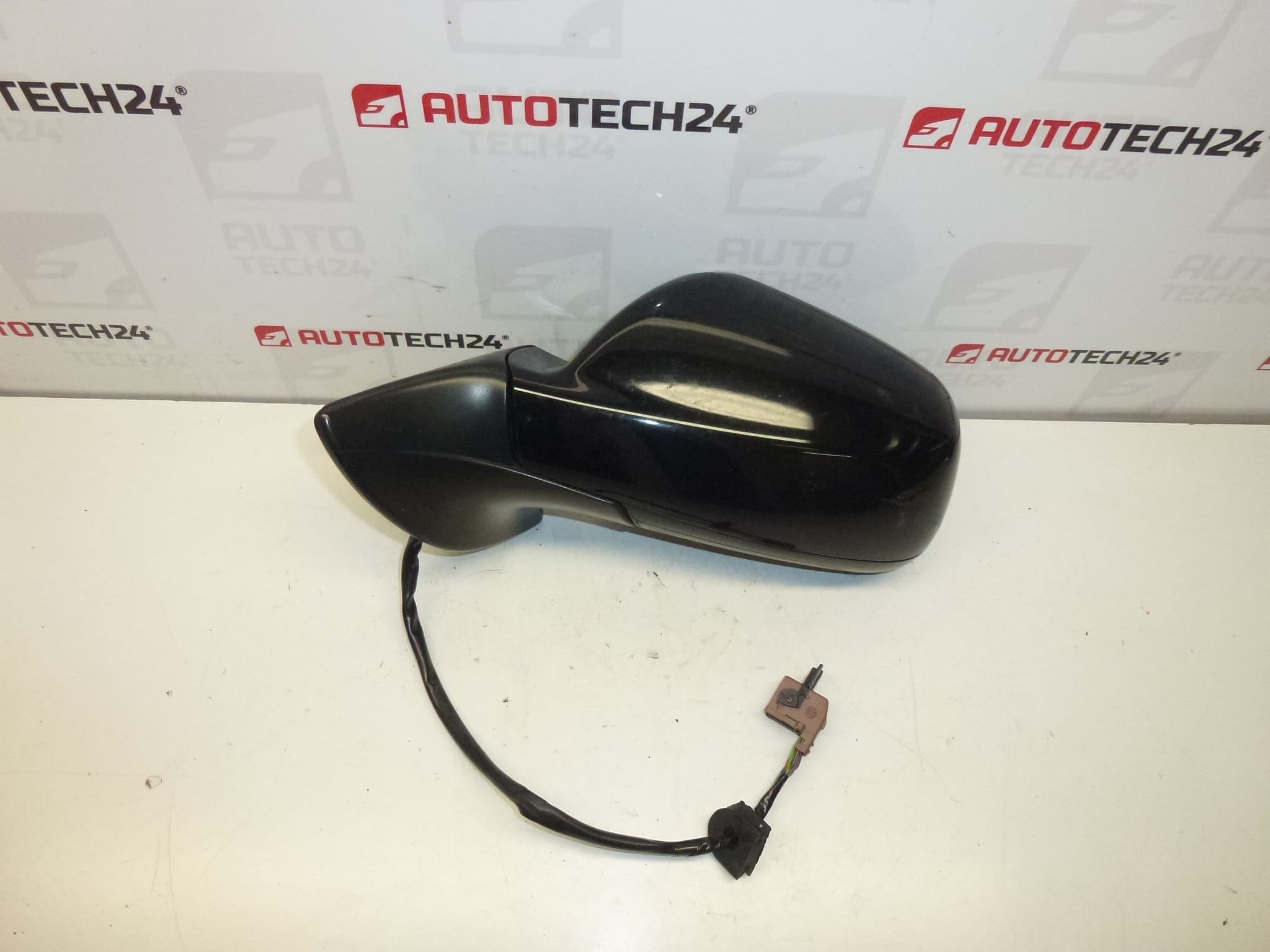
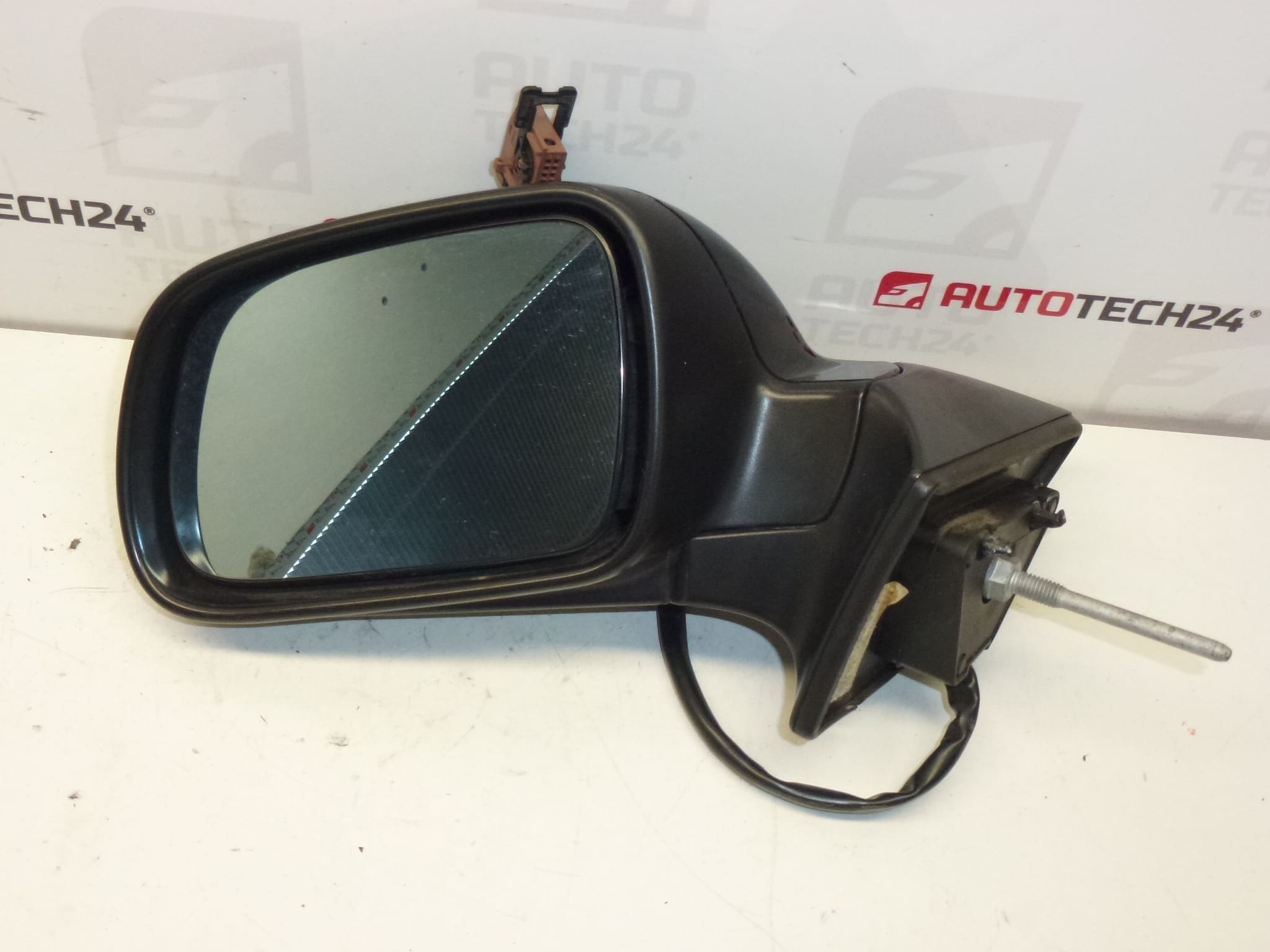
Left exterior mirror PEUGEOT 407
Electrically adjustable, electrically folding, heated
Color KTV – Paint Black Perla Nera
Slightly scratched, see photos
Driver’s Side
This used left exterior mirror is a direct-fit replacement for the Peugeot 407 driver side. It features full electric adjustment, electric folding and an integrated heating element to keep the glass clear in cold weather. The housing is finished in KTV paint – Black Perla Nera – and the unit shows light surface scratches as documented in the photos. Ideal for mechanics and DIY enthusiasts who need a reliable, functionally complete mirror assembly identified frequently by product codes 8149VG and 96456984XT.
Key Features
- Electric adjustment for precise mirror positioning.
- Electric folding function for space-saving and protection.
- Heated glass to prevent fogging and ice build-up.
- Finished in Black Perla Nera paint (KTV).
- Driver’s side application, direct replacement for Peugeot 407.
Technical Information
- Manufacturer: Peugeot (Stellantis)
- Model: Peugeot 407
- Product Codes: 8149VG, 96456984XT
- Other Numbers: KTVD
- Side: Left (Driver’s Side)
Installation Recommendations
Designed for professional workshops and competent DIYers. Typical replacement steps:
- Prepare basic tools: trim pry tool, screwdriver set, appropriate sockets (check vehicle fasteners), and a torque wrench if available.
- Carefully remove the interior door trim or mirror access cover to reach the mirror mounting bolts and electrical connector.
- Disconnect the electrical connector and remove the mirror mounting nuts/bolts. Keep track of any clips or foam seals.
- Fit the replacement mirror, secure the mounting fasteners evenly, reconnect the electrical connector and test all functions (adjustment, folding, heating) before reassembling the door trim.
- Ensure the mirror glass is adjusted and the housing aligns correctly with the door. Replace any damaged seals to avoid water ingress.
Tip: Work on a clean, dry surface and protect painted panels to prevent scratches. Always test electrical functions before completing reassembly.
Why This Part Most Commonly Fails
- Impact Damage: Collisions or side-swipes are the most common cause, damaging the housing, glass or internal actuator.
- Wear Of Moving Parts: Repeated folding and adjustment can wear gears or motors, leading to noisy or non-functioning movement.
- Water Ingress And Corrosion: Moisture can corrode connectors or motor contacts, especially where seals are compromised.
- Electrical Faults: Broken wires, poor connector contacts or blown elements can disable heating or adjustment functions.
- Cosmetic Deterioration: Paint chips and scratches from road debris and minor impacts affect appearance but not function.
Notes For Buyers
This mirror is often searched by product codes 8149VG or 96456984XT — include these numbers when comparing fitment. The item shows light scratches as pictured; mechanical and electrical functions are the primary focus for replacement suitability. Suitable for professional fitting or experienced DIY installation.