Description
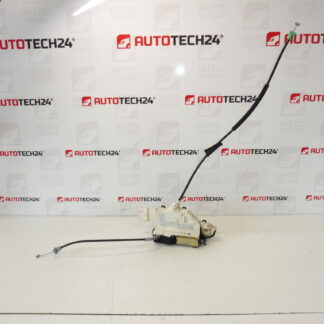
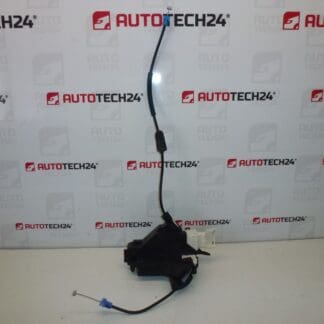
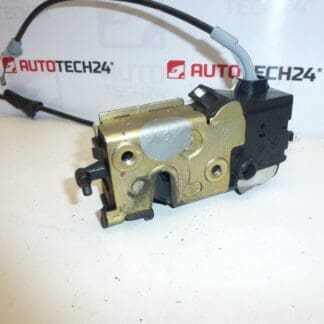
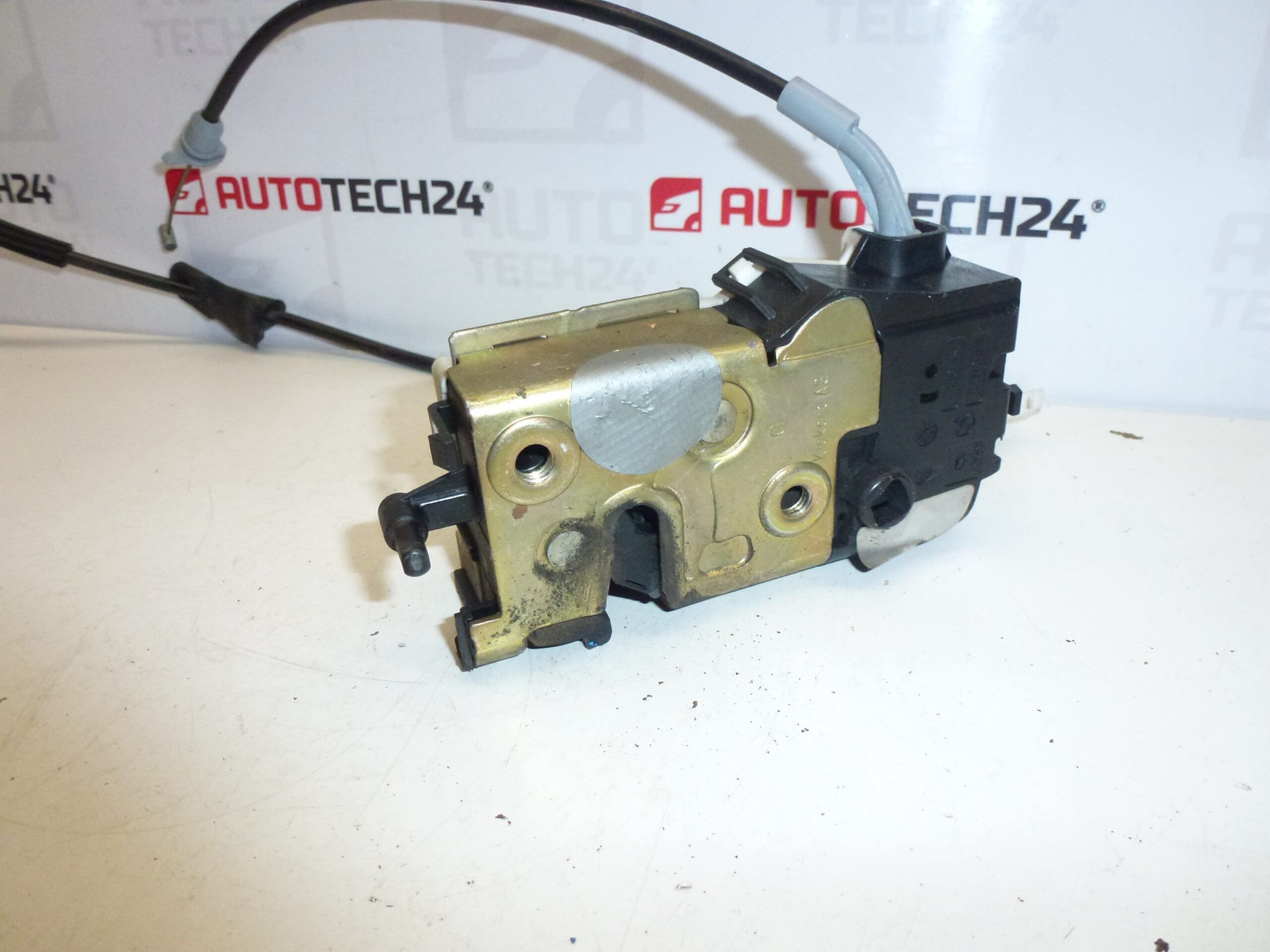
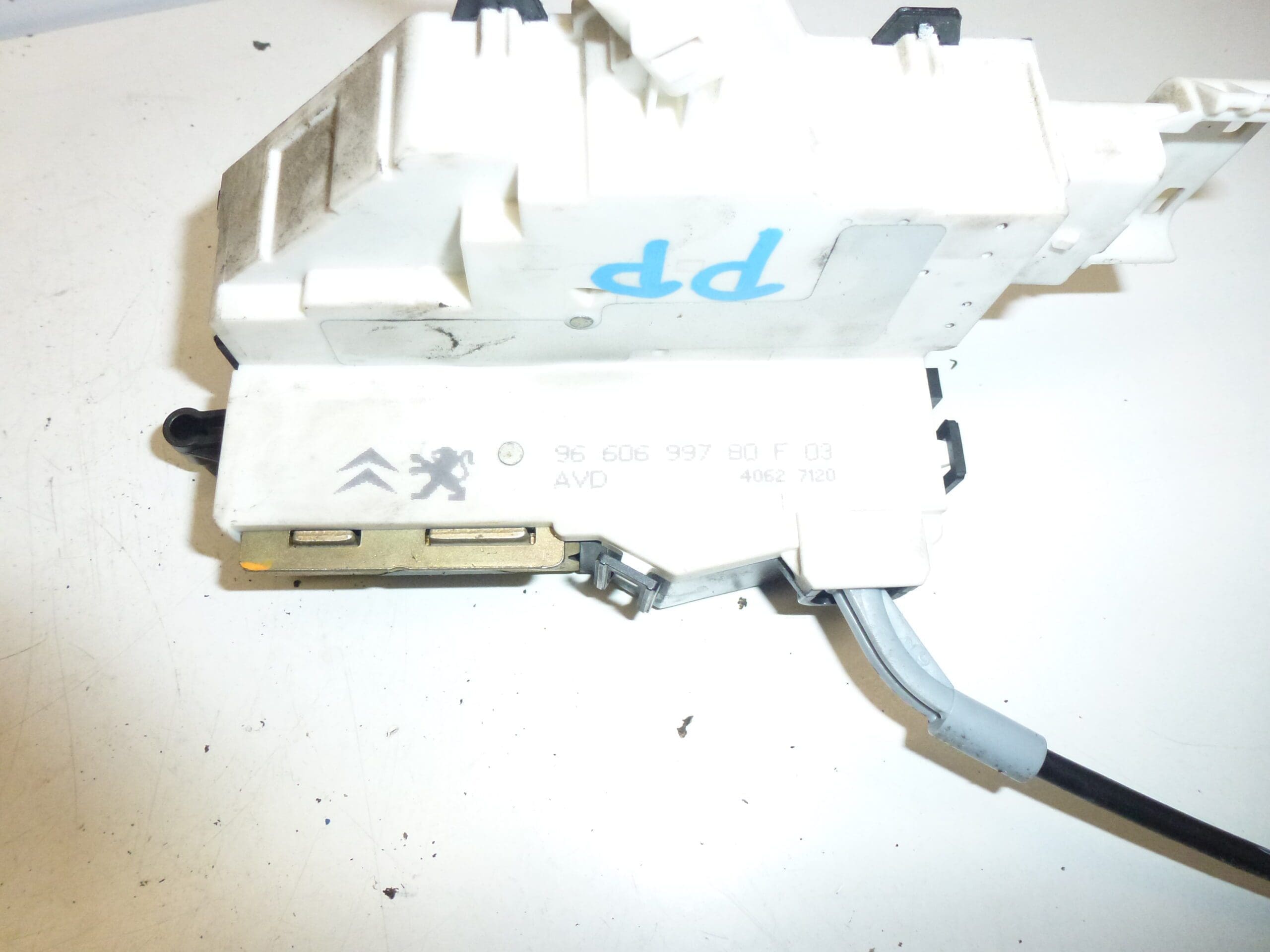
Electric central locking actuator for the right front door for Citroën C4 5-door first series
Passenger door
Product Overview
This electric door lock / central locking actuator is designed for the right front (passenger) door of the Citroën C4 5-door first series. It is a direct-fit replacement part for workshop professionals and DIY enthusiasts looking to restore reliable locking and central locking function. Commonly searched by OEM and reference numbers, the unit is compatible with a range of Stellantis part codes used across Citroën/Peugeot models.
Key Features
- Direct replacement for the right front door (passenger side) central locking mechanism.
- Restores electric locking/unlocking via central locking system and remote key.
- Includes mounting points and electrical connector compatible with original door harness.
- Suitable for professional fitting and common garage repairs.
Technical Information
- Manufacturer: Stellantis (Citroën/Peugeot)
- Model: Citroën C4 5-door (First Generation)
- Product Codes: 9660699780, 9683415980, 9647172680, F03
- Other Numbers: 9136ES, 9136AG, 9136R8
Compatibility And Notes
This actuator is intended for the right front door of the Citroën C4 hatchback 5-door first generation. It is often referenced by the numbers listed above; customers and technicians frequently look up the part by these OEM codes. Always compare part numbers and connector/rod layout when confirming fitment.
How To Replace
Replacement of the right front door lock actuator typically involves the following steps. The sequence is aimed at experienced mechanics and informed DIYers:
- Disconnect the vehicle battery before starting to prevent short circuits and accidental operation.
- Remove the inner door trim panel: detach clips, screws and carefully lift the trim to avoid breaking plastic fasteners.
- Peel back the water/vapor barrier to access the lock mechanism.
- Disconnect the electrical connector from the actuator and unclip/unscrew the mechanical linkage rods (lock/unlock, handle) — note their positions for reassembly.
- Unbolt the actuator/lock assembly from the door and remove it from the door cavity.
- Install the new actuator: position the unit, secure bolts, reconnect linkage rods and the electrical connector.
- Before reassembling the trim, reconnect the battery and test locking/unlocking with the remote and interior switches. Check mechanical operation of the handle and latch.
- Reinstall the vapor barrier and door trim, ensuring all clips and screws are refitted and functions operate correctly.
Installation Recommendations
- Always disconnect the battery before working on door electrics to avoid short circuits and accidental locking.
- Handle plastic trim fasteners gently; replacement clips are inexpensive and often necessary after removal.
- Check and lubricate latch moving parts lightly with a suitable grease to reduce wear and ingress of moisture.
- Verify rod clips and cable ends are properly seated to prevent future detachment or misalignment.
- Test electrical connector pins for corrosion and ensure a firm connection; clean contacts if needed.
Why This Part Fails Most Often
- Wear Of Internal Plastic Gears: Repeated use can wear or strip the small plastic gears inside the actuator motor assembly.
- Water Ingress And Corrosion: Moisture entering the door can corrode electrical contacts or mechanisms, especially if the vapor barrier or seals are damaged.
- Electrical Motor Failure: The small DC motor driving the lock may fail over time due to brush wear or electrical faults.
- Mechanical Fatigue Of Linkages: Rods, clips and levers can fatigue, bend or detach, causing loss of locking function.
- Age And Use: Actuators commonly deteriorate after several years of service; actual lifetime depends on mileage, climate and maintenance.
Testing Tips Before Replacement
- Operate central locking and listen from inside the door to locate whether the actuator motor runs or is silent.
- Check for voltage at the actuator connector during a lock/unlock command to distinguish electrical supply issues from mechanical faults.
- Manually actuate the latch and observe linkage movement to detect seized or misaligned components.
Why Choose This Part
Replacing a faulty right front door lock actuator restores reliable locking, improves vehicle security, and eliminates noise or intermittent operation from the central locking system. Using the correct OEM-referenced unit reduces fitting time and avoids additional adjustments to linkages or door alignment.