Description
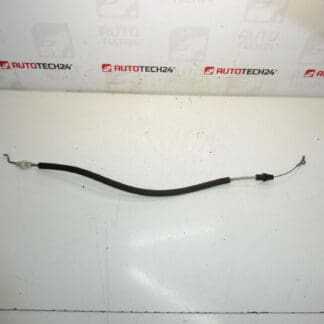
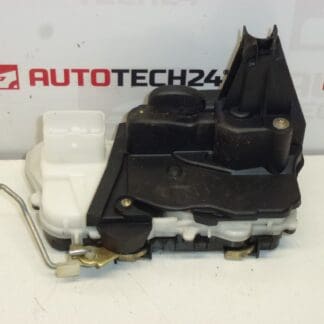
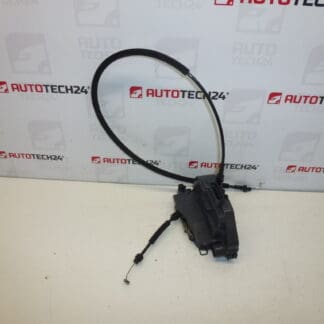
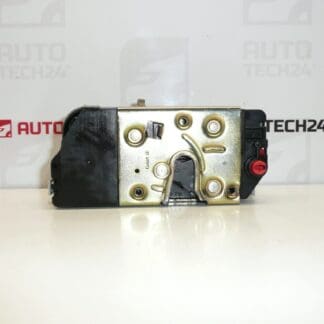
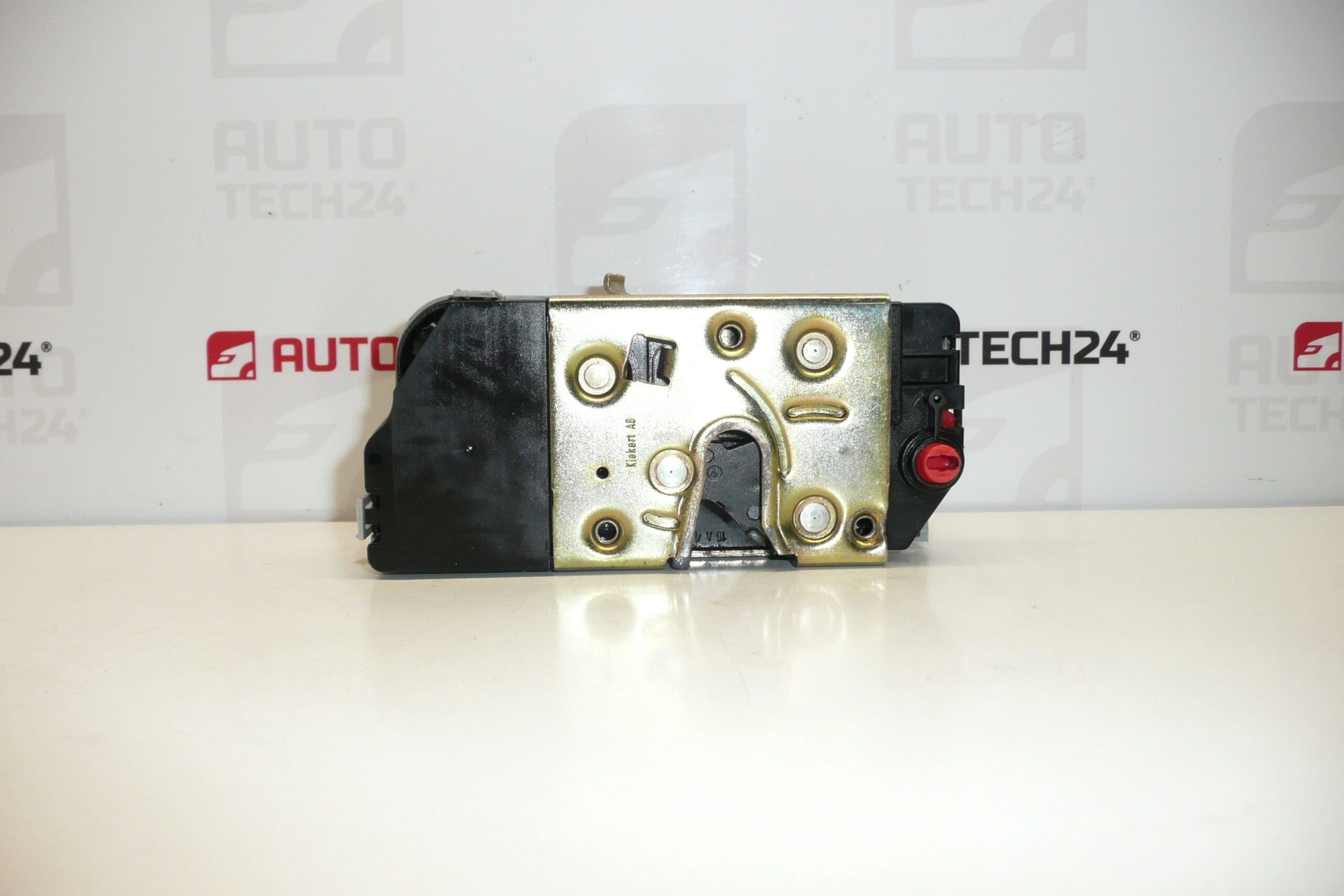
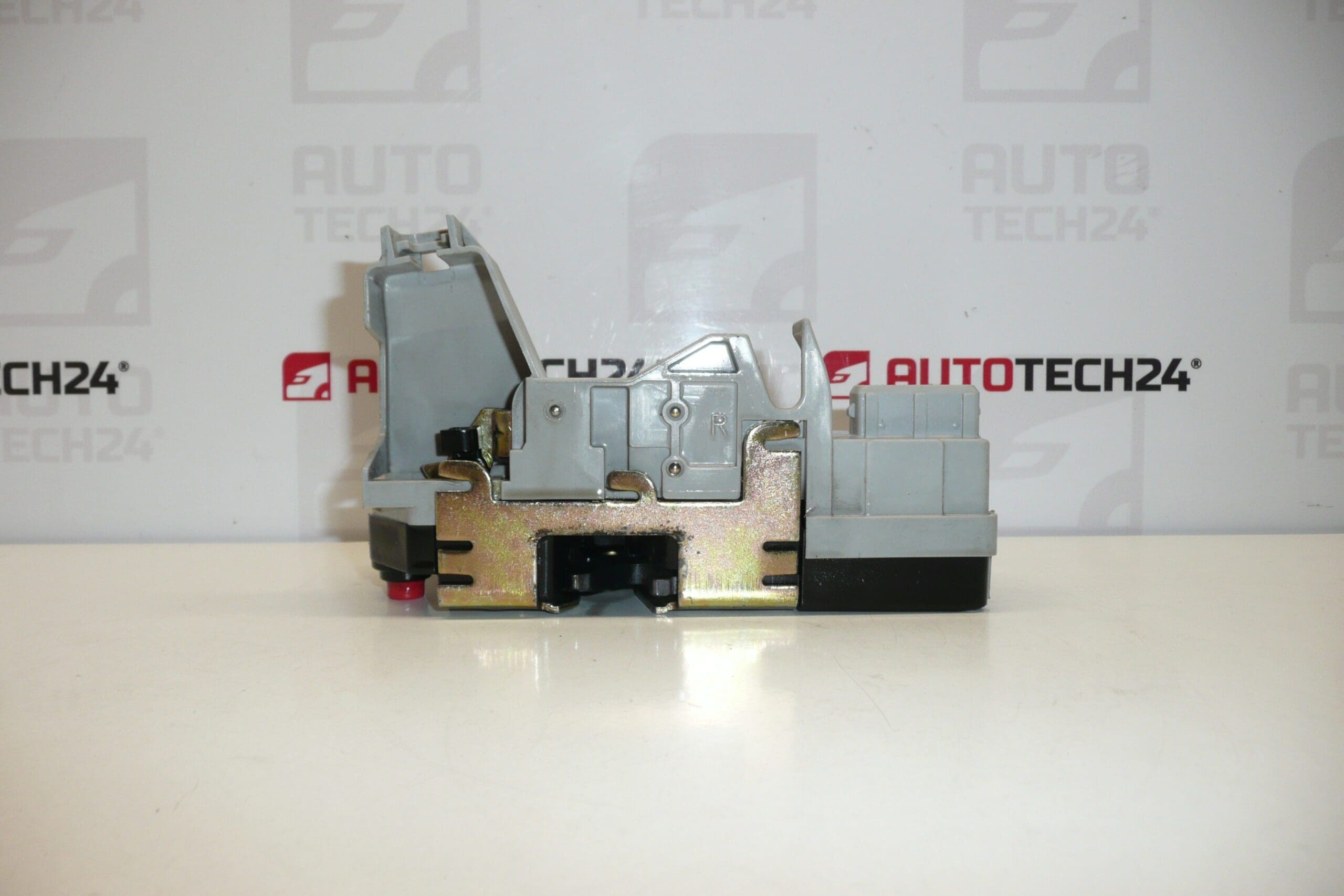
Electric central locking actuator for the right rear door for Peugeot 307. Door behind the front passenger.
High-quality replacement electric door lock for the right rear door of the Peugeot 307, designed for professional workshops and DIY enthusiasts. This unit restores reliable central locking function and passenger safety after failure of the original actuator. Commonly searched under part number 9138C0, the actuator is ideal when the rear right door does not lock or unlock with the central locking system or key fob. Clear installation steps and technical details below help mechanics and experienced hobbyists fit the part quickly and correctly.
Technical Information
- Manufacturer: Peugeot / Stellantis
- Model: Peugeot 307 (Right Rear Door / Passenger Side Rear)
- Product Codes: 9138C0
- Additional Numbers: NFP
Installation Recommendations
Follow safe workshop practice and have the right tools ready. Recommended steps:
- Park the vehicle on a level surface and engage the parking brake.
- Disconnect the negative battery terminal before starting work to avoid short circuits and accidental actuation.
- Remove the inner door trim/panel carefully to avoid breaking clips—use trim tools where possible.
- Move the window to a position that gives access if required and support it if necessary.
- Unplug the electrical connector and detach any locking rods or clips from the actuator before unbolting it.
- Fit the new actuator in reverse order, ensuring rods and clips are correctly seated and the connector is secure.
- Test door locking/unlocking operation with the central locking and key fob before reassembling the door trim.
Replacement Procedure
Step-by-step guide for replacing the right rear door lock actuator on a Peugeot 307:
- Remove the door card: remove screws, pry plastic clips gently and lift the panel away from the door shell.
- Locate the locking unit at the rear edge of the door. Detach any moisture barriers carefully to avoid tearing.
- Disconnect the wiring harness from the actuator and note the routing of any linkages and clips.
- Unclip or unhook the control rods from the actuator—use small pliers if necessary and mark positions for reassembly.
- Unscrew the actuator mounting bolts and remove the faulty unit.
- Install the replacement actuator, secure bolts to original positions, reconnect rods and wiring, and verify smooth mechanical movement before final assembly.
- Reinstall the moisture barrier and door card. Check locking operation and adjust rod positions or clips if needed.
Most Common Causes Of Failure
- Plastic Gear Wear Or Breakage: Repeated use and age can wear internal plastic gears, causing loss of actuation.
- Water Ingress And Corrosion: Damaged moisture seals or persistent damp can corrode contacts and metal components.
- Electrical Connector Problems: Corrosion, broken wires or poor contacts in the connector cause intermittent or no power to the motor.
- Mechanical Damage: Impact from door slams or forced entry can bend rods or damage the actuator assembly.
- General Age And Fatigue: Long service life and heavy use reduce performance over time; vehicles in coastal or wet climates fail earlier.
When replacing the actuator, ensure all linkages move freely and lubricate latch points with appropriate grease to extend service life. Regular inspection of door seals and drainage holes helps prevent premature failures caused by moisture.