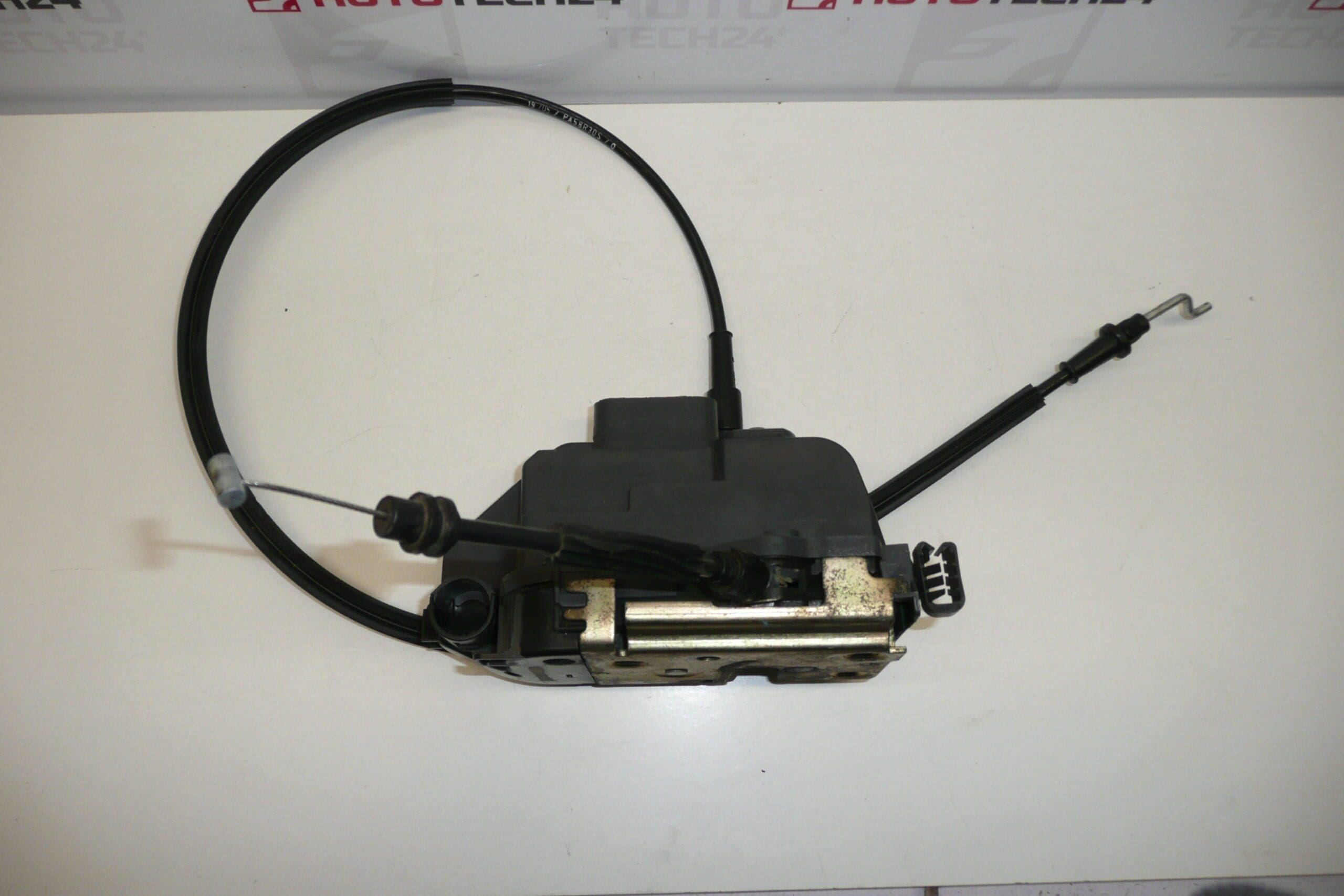
Description
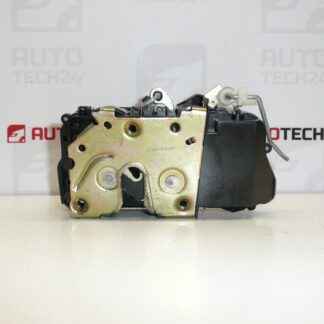
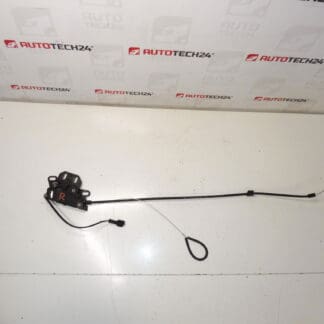
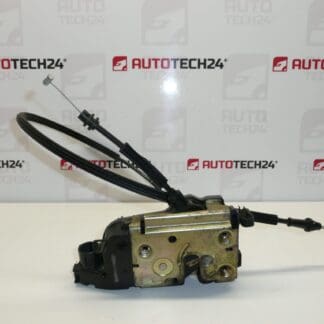
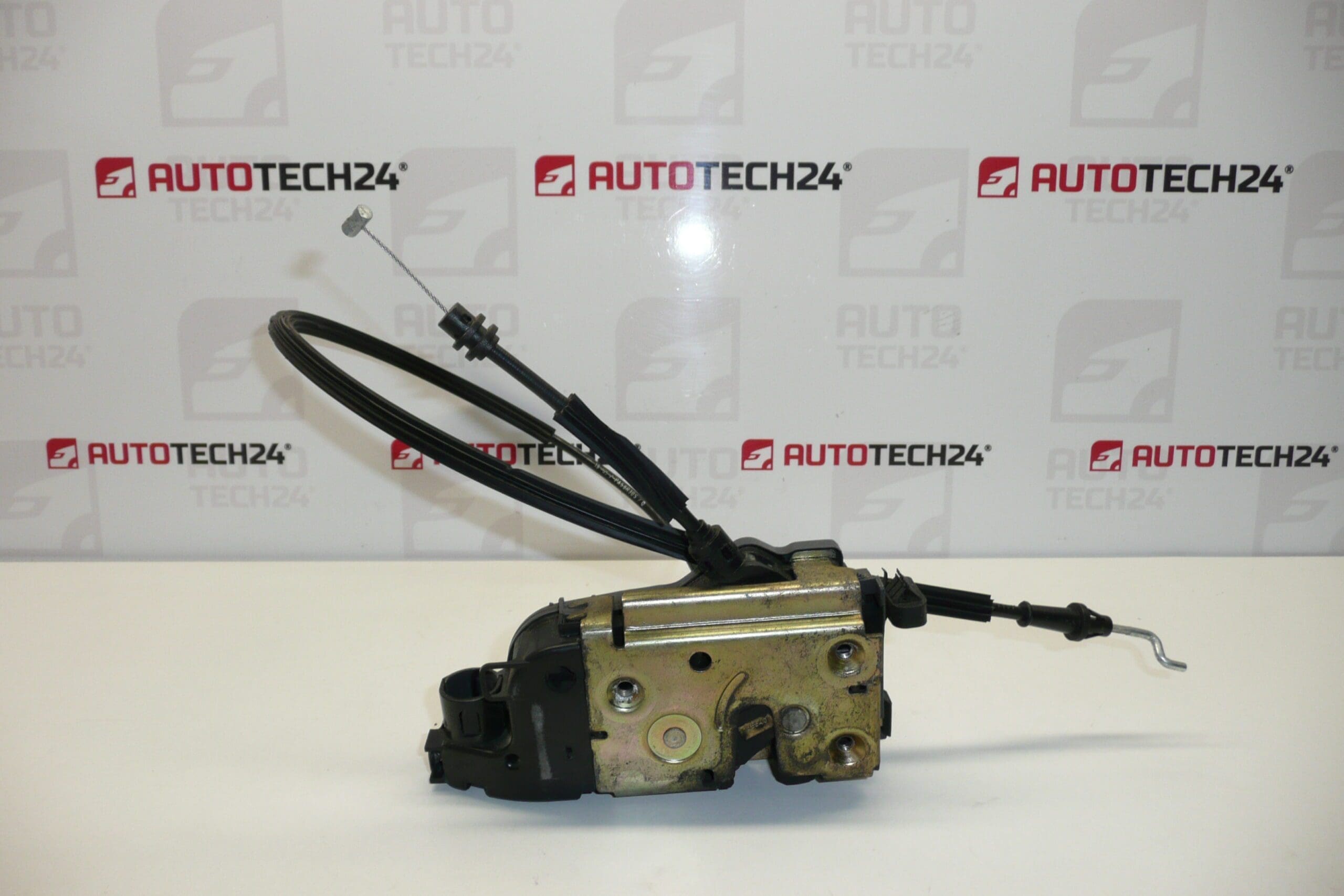
PEUGEOT 307 CC right door central locking electric lock
Passenger side
6 pins
Part description
The Peugeot 307 CC right front door lock is an electric central locking part intended for the right door on the passenger side. It is used to securely lock/unlock the door and to transmit central locking commands via the 6-pin connector. Suitable as a replacement for malfunctions when the door does not respond to central locking, locks irregularly or fails to close/unlock the door reliably.
To make the right choice, it is crucial to compare the product numbers and the design of the connector with the old lock.
Technical information
- Manufacturer: Stellantis (Citroën/Peugeot)
- Model: Peugeot 307 CC
- Other numbers: NFP
- Side: right door (passenger)
- Design: electric central locking lock
- Connector: 6 pin
Product codes
- Product codes: 52229780, 9136Q1
Installation recommendations
Generally/typically for an electric door lock (the exact procedure may vary according to the specific design of the car and door):
1) Before assembly (checks of the used part, what to compare with the old part)
- Compare part numbers 52229780 / 9136Q1 with the old lock.
- Check the design match: right door (passenger) and 6-pin connector.
- Visually check that there are no damaged handles, pulls/cables, connector or wiring at the lock.
2) Necessary tools and materials (in general, without specific extra parts)
- Set of screwdrivers and bits (according to the screws used in the door)
- Plastic crowbar for removing upholstery
- Pliers (for buckles/attachment of rods according to design)
- Gloves, flashlight
3) Step-by-step assembly procedure
- Turn off the ignition and disconnect the battery (typically to work on the door wiring).
- Disassemble the inner door trim (release the covers, screws and plastic clips one by one).
- Carefully pry off/pry the inner foil/insulation of the door to access the lock and connectors.
- Disconnect the electrical connector of the lock (6 pins) and check that the pins are not oxidized or loose.
- Release the mechanical connection of the lock (typically pull rods/cables and their locking clips – depending on the design).
- Unscrew the lock fastening and remove the lock from the door.
- Compare the old and new piece “on the table” (shape, handles, connector, mechanical levers) and only then install the part.
- Install the lock in the door and fasten it in the original way.
- Reattach the tie rods/cables and check that the locking elements are properly engaged.
- Connect the electrical connector and make sure it is firmly seated.
- Replace the insulation/foil and refit the door trim.
- Connect the battery.
-
4) Post-assembly checks and test drive/function verification
- Try locking/unlocking with central locking and mechanically (knob, internal control) – several times in a row.
- Check that the door closes properly and the lock does not “get stuck”.
- Check that the wiring in the door is not rubbing anywhere and that the upholstery is properly seated.
5) The most common assembly mistakes + how to avoid them
- Swap sides (left/right): always follow the fact that it is the right door – passenger.
- Poorly seated tie rod/cable: after assembly, manually check the smooth operation of the handle and the securing of the buckles.
- Damage to upholstery fasteners: use a plastic pry bar and work evenly.
- Wear of the lock mechanism due to frequent use (backlash, sticking).
- Intrusion of moisture into the door and subsequent corrosion/oxidation of the contacts.
- Electrical fault (weak contact in the connector, broken wire in the door opening).
- Force opening or accidental damage that deforms the mechanism.
- Clogging with dirt (dust, grease) and impaired operation of the latch.