Description
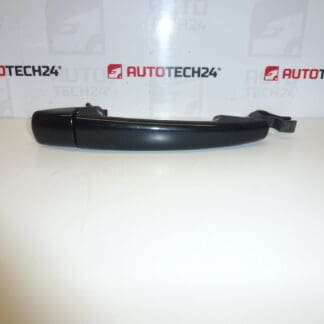
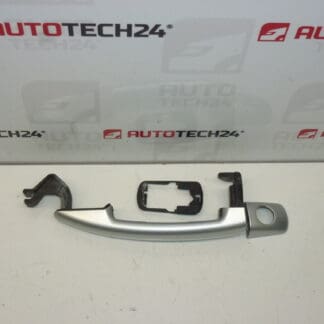
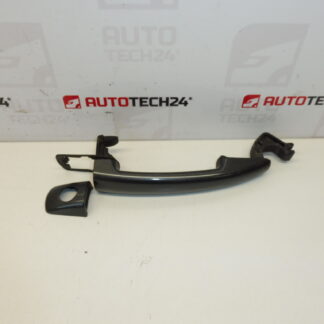
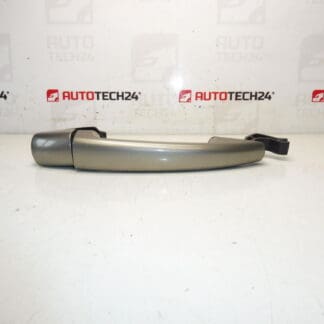
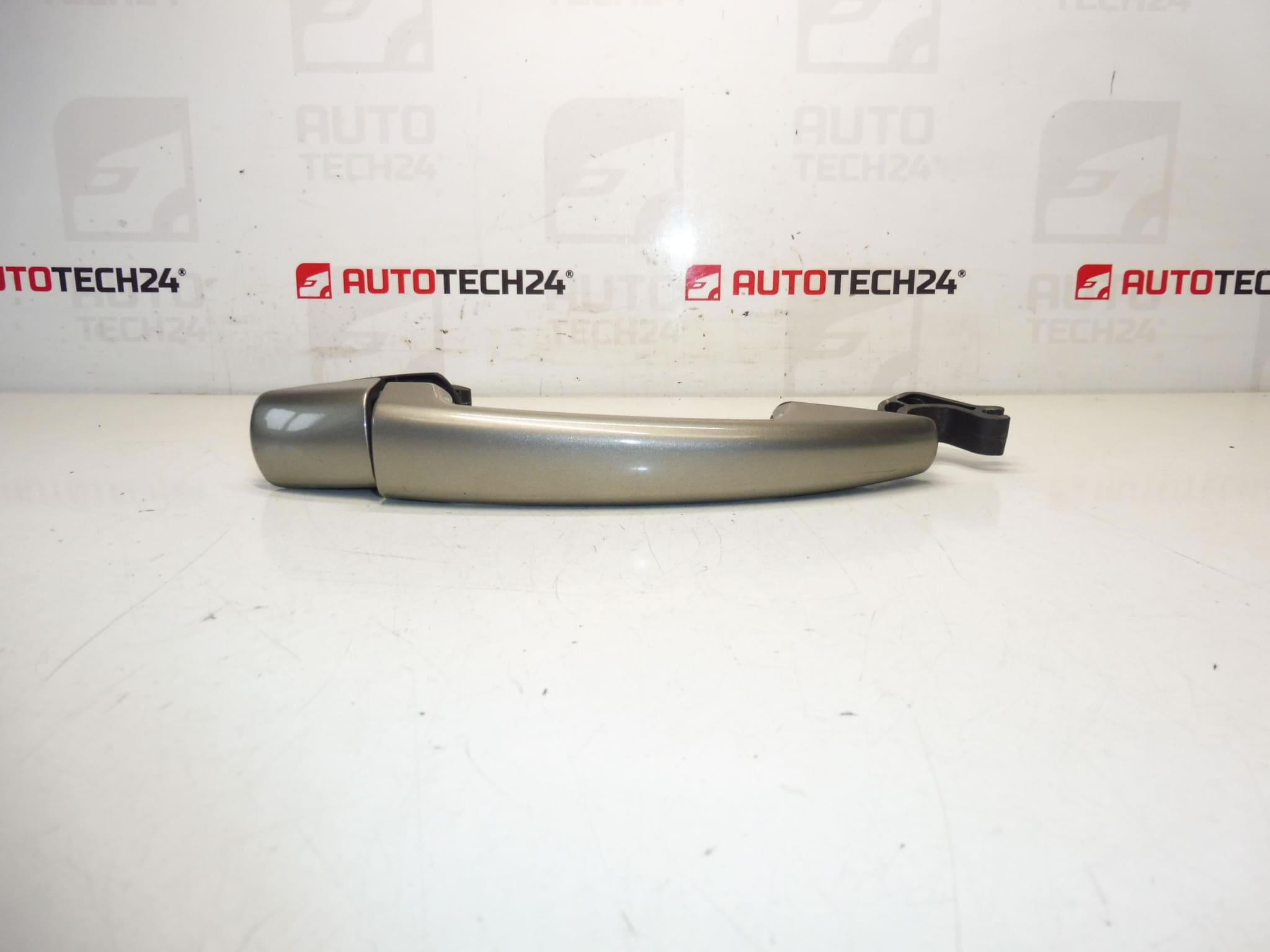
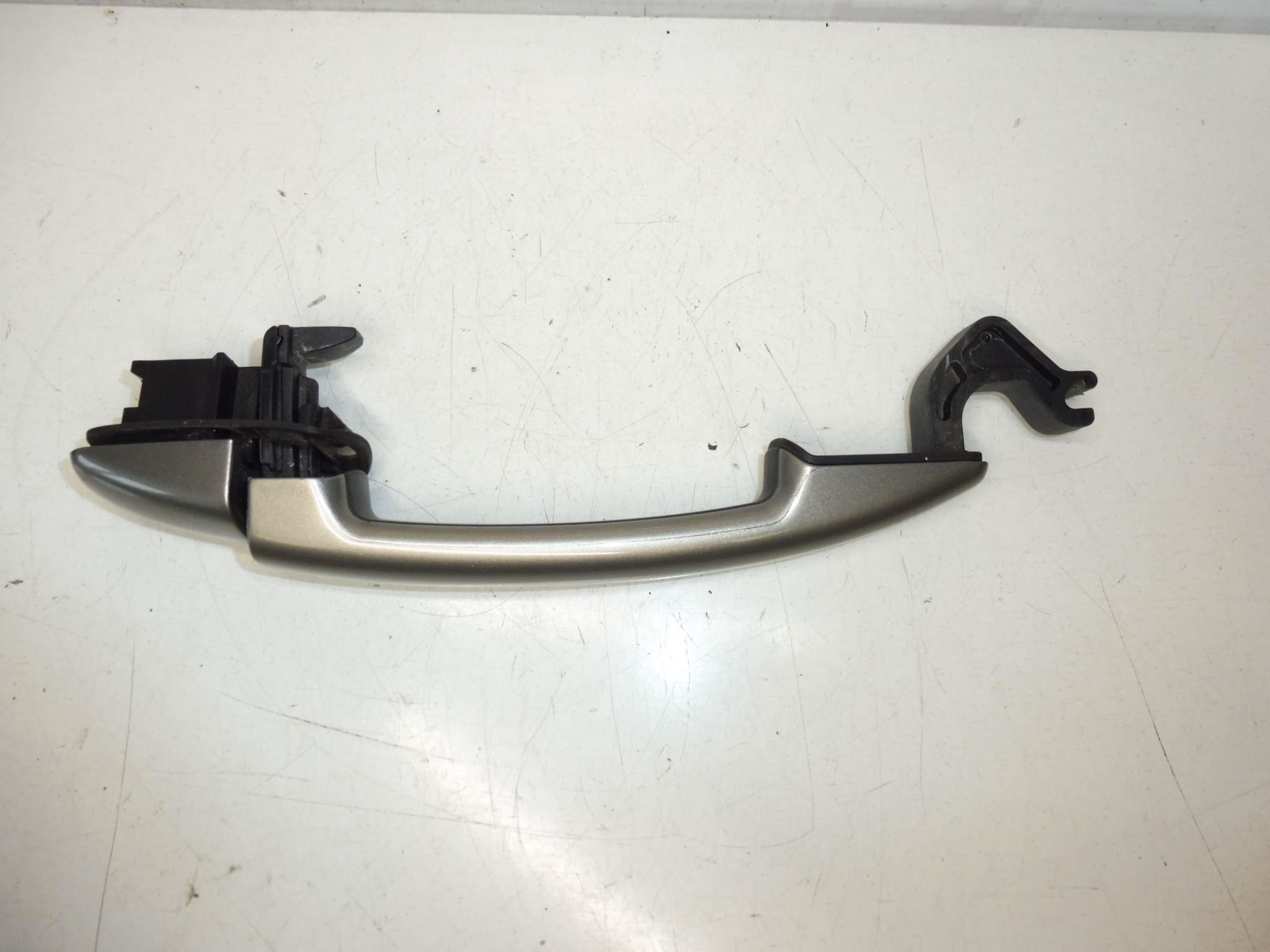
Door handle for left rear and right front and rear doors for Citroën and Peugeot vehicles. Color EVG – VAPOR GRAY paint. Various colors available in stock.
Product Overview
High-quality exterior door handle designed for Citroën and Peugeot models. Ideal for replacement jobs in garages or for DIY enthusiasts. The handle matches factory fit dimensions and finish for a flush, OEM-like appearance. Commonly referenced by product code 9101GH or color code EVGC, this part is suitable when the original handle is scratched, cracked, or the internal mechanism has failed.
Who Should Buy
Designed for professional auto mechanics and experienced DIYers performing bodywork or door repairs. Fits a range of Stellantis group vehicles and is often searched by its product code (9101GH) when ordering parts.
Technical Information
- Manufacturer: Stellantis / Citroën / Peugeot
- Model: Citroën 2008, Citroën C4 II (C4 Picasso/C4 Picasso II), Citroën Berlingo III (B9), Peugeot 207, Peugeot 308, Peugeot Partner / Partner Tepee, Jumpy III, Expert III
- Product Codes: 9101GH, EVGC
- Other Numbers: — (No additional OEM numbers provided)
Function And Typical Faults
The exterior door handle provides the mechanical interface to open the door from the outside. It transmits motion to the internal latch via linkage or cable. Typical failure modes include broken plastic components, worn pivot points, snapped linkage clips, paint abrasion, and damage from impacts. Water ingress and corrosion can also impair function over time, particularly in vehicles exposed to road salt or humid environments.
Replacement Guide
Basic steps for replacing the exterior door handle (general guidance—follow vehicle-specific service manual):
- Remove the interior door trim panel to gain access to the handle mechanism (remove screws, clips, and window switch harness as required).
- Peel back the vapor barrier or water shield carefully to reach the handle mounting area.
- Unbolt or unclip the exterior handle from inside the door; disconnect linkage or cable from the latch.
- Fit the new handle in position, reconnect linkage/cable, and test operation before reassembling the door panel.
- Reinstall the water shield and door trim, ensuring all clips and fasteners are secured.
Installation Recommendations
- Work on a cool, dry day to avoid warping trim or adhesive failure when removing panels.
- Use proper trim removal tools to prevent breaking plastic clips and retainers.
- Apply a small amount of lubricant on pivot points and linkages for smooth operation.
- Verify alignment and smooth operation of the latch before final reassembly.
- Retain all removed fasteners and replace any damaged clips to ensure a secure fit.
Why This Part Fails
Exterior door handles are subject to repeated mechanical stress, UV exposure and occasional impacts. Common causes of failure are plastic fatigue at pivot points, snapped internal springs or clips, corrosion of metal linkages, and cosmetic damage from scratches or knocks. High-mileage vehicles or those used in harsh climates tend to show earlier failure.
Search Tips
When sourcing this part, customers often use the product code 9101GH or the color designation EVGC / Vapor Gray. Checking both the part code and the vehicle model (listed above) will improve the chance of finding the correct replacement quickly.