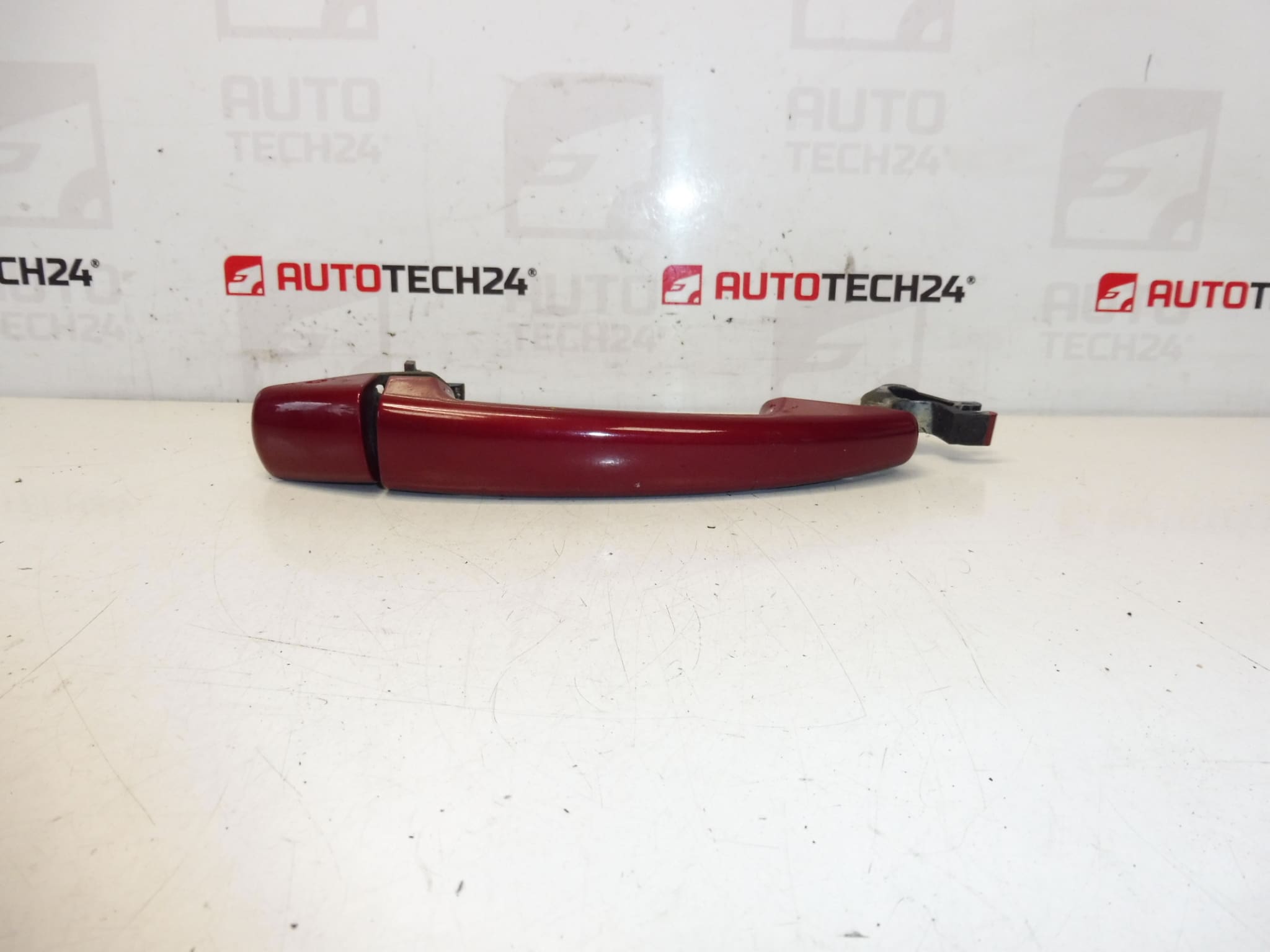
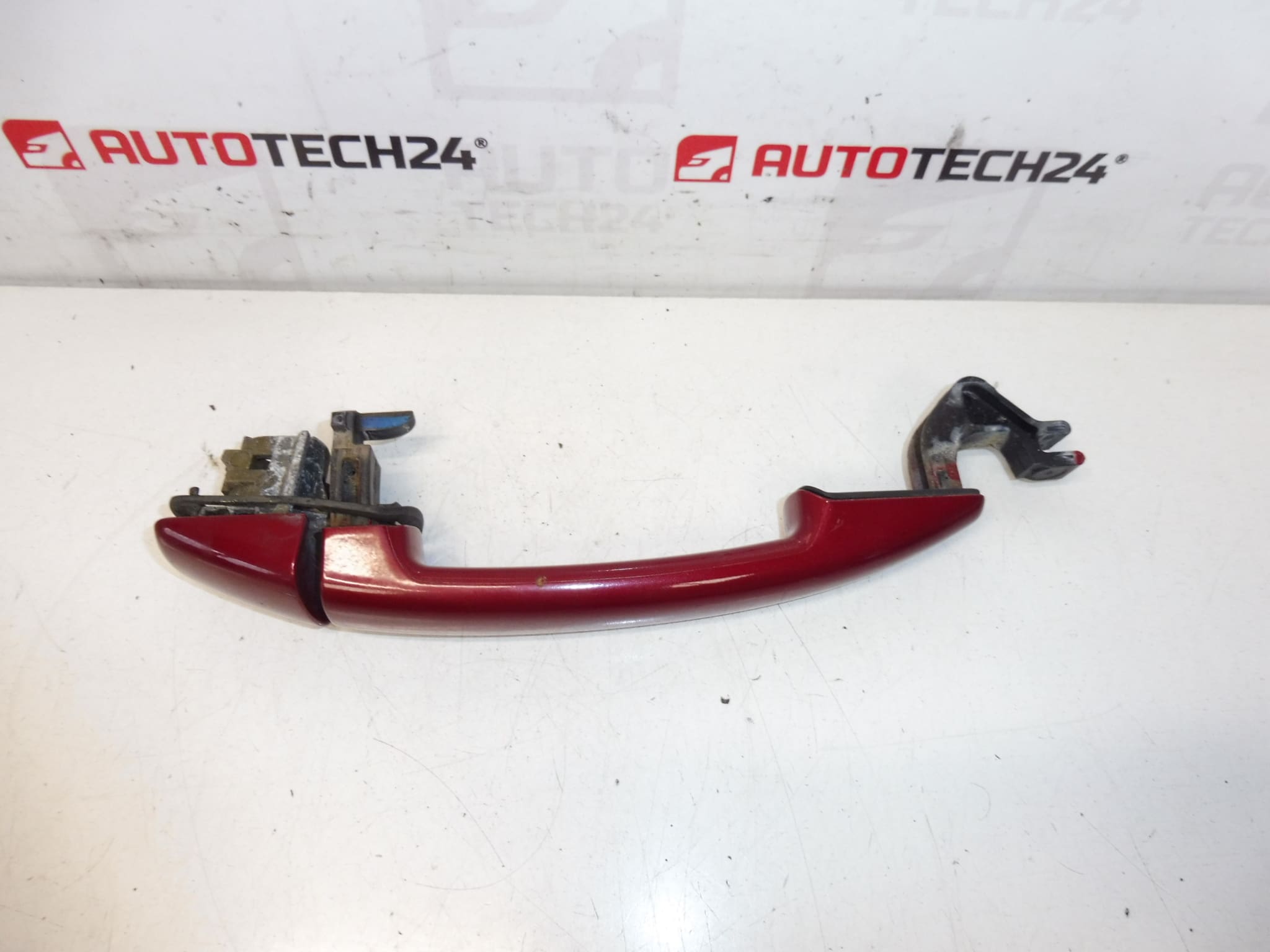
Description
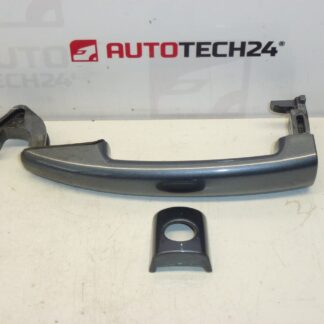
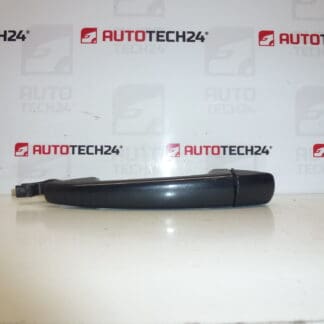
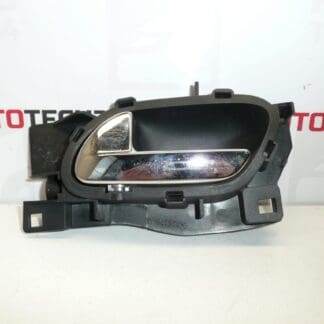
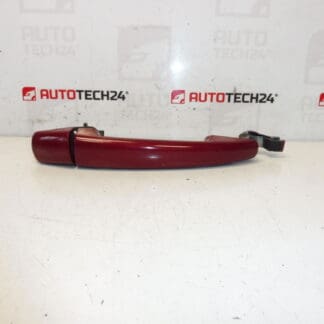
Door handle for right front and rear and left rear for vehicles Citroën C4 and C6, Peugeot 407. Color KKQ – Paint Red Profond
Overview
This exterior door handle is designed for Citroën C4, Citroën C6 and Peugeot 407 models and carries the manufacturer/product identifiers used in searches: 9101ER and KKQD/KKQ. It provides a direct-fit replacement for worn or damaged handles, restoring proper door opening and locking function while matching the vehicle paint finish (KKQ Red Profond).
Key Benefits
- Direct Fit: Designed to match original mounting points and linkage for an easy replacement.
- Color Matched: Supplied in KKQ paint (Red Profond) to match factory finish and reduce the need for repainting.
- Durable Construction: Built to withstand repeated use and environmental exposure common to exterior fittings.
- Part Number Search Friendly: Commonly referenced by code 9101ER and KKQD, making it easy to locate for repairs.
Technical Information
- Manufacturer: Stellantis / Citroën / Peugeot
- Model: Citroën C4, Citroën C6, Peugeot 407
- Product Codes: 9101ER, KKQD
- Additional Numbers: Color KKQ – Paint Red Profond
Function
The external door handle provides the mechanical interface to unlatch the door from outside. It transfers motion via linkages or cables to the door latch mechanism and in some versions works together with the locking cylinder or electronic locking components to secure the door.
Installation Recommendations
- Prepare Tools: Remove inner door trim using appropriate trim tools to avoid damage to clips and panels.
- Disconnect Battery: For vehicles with electrical locking or sensors, disconnect the battery before starting to prevent short circuits.
- Access Latch Area: Peel back vapor barrier carefully to access handle fixings, linkage rods or cables, and any electrical connectors.
- Remove Fixings: Unscrew retaining bolts/screws and unclip linkage/cable from the old handle. Keep track of small clips and washers.
- Fit New Handle: Install the new handle, reconnect linkage and any electrical connectors, and secure all fasteners to the original torque where applicable.
- Function Check: Before reassembling the door trim, test opening/locking from outside and inside to ensure smooth operation and correct alignment.
- Reassembly: Refit vapor barrier and inner trim, ensuring all clips are engaged and seals are intact to prevent water ingress.
Most Common Reasons For Failure
- Mechanical Wear: Repeated use leads to wear of pivot points, plastic tabs or metal linkages, eventually causing play or breakage.
- Corrosion: Moisture ingress and salt exposure can corrode metal parts or seize moving joints, especially in older vehicles.
- Impact Damage: Door impacts or attempts to force the door open can crack or deform the handle housing.
- Broken Clips Or Linkages: Plastic retaining clips and connectors can become brittle over time and fail during normal operation or removal.
- Paint Damage: Fading or chipping of the painted surface (KKQ) from environmental exposure or abrasion.
Compatibility And Search Tips
This part is frequently searched by product codes 9101ER and KKQD/KKQ. Verify vehicle model and door side (right front, right rear, left rear) when ordering to ensure correct fit. It is intended as a direct replacement for the listed Citroën and Peugeot models and is ideal for professional technicians and DIY enthusiasts carrying out bodywork or latch repairs.