Description
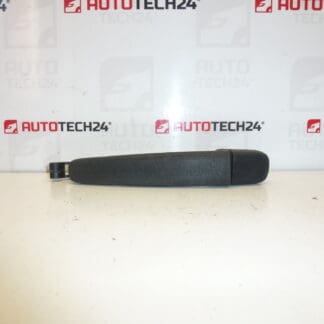
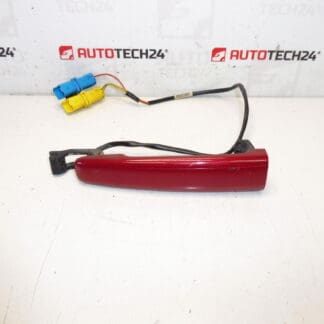
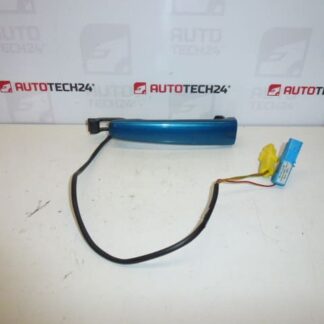
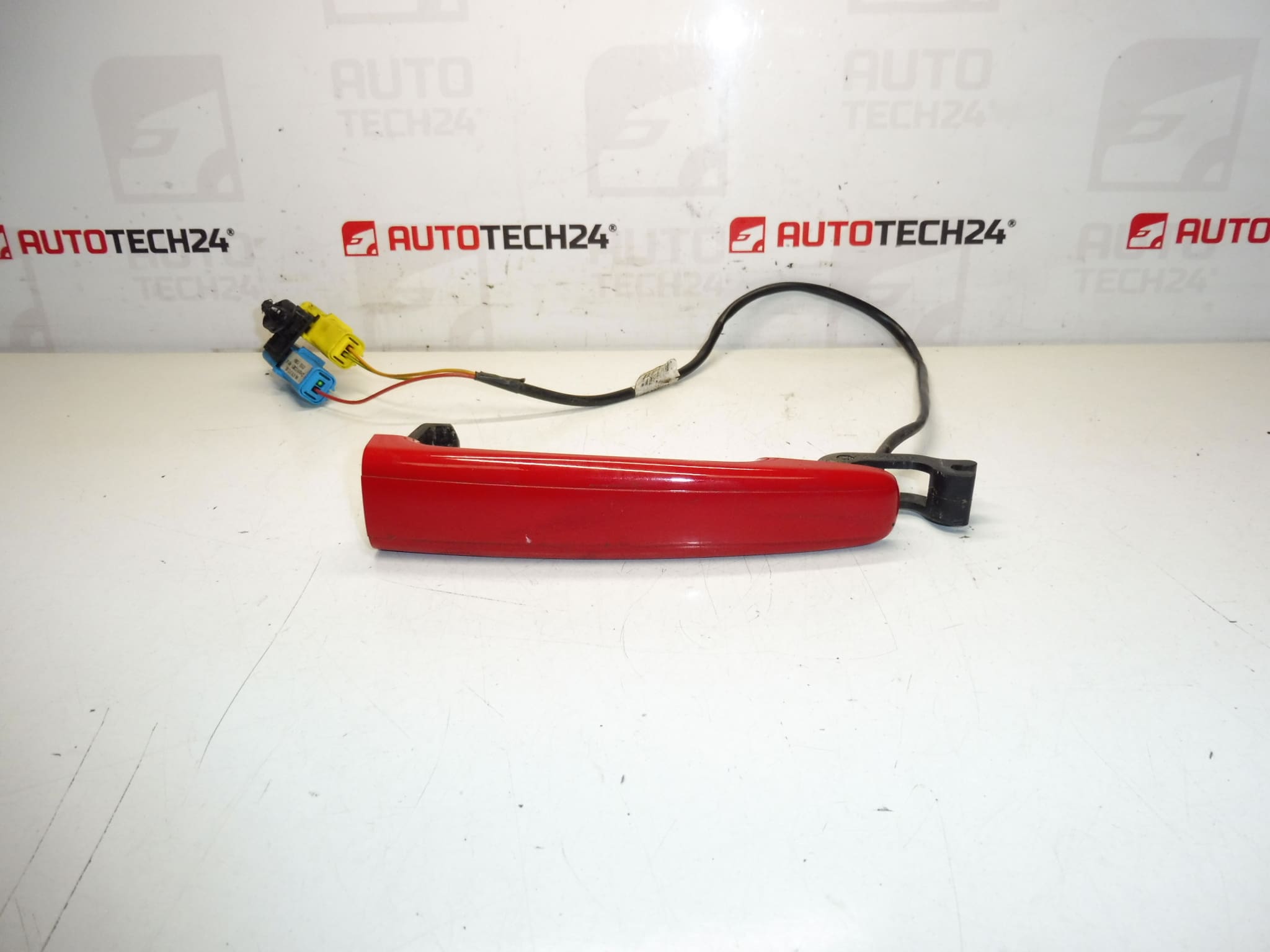
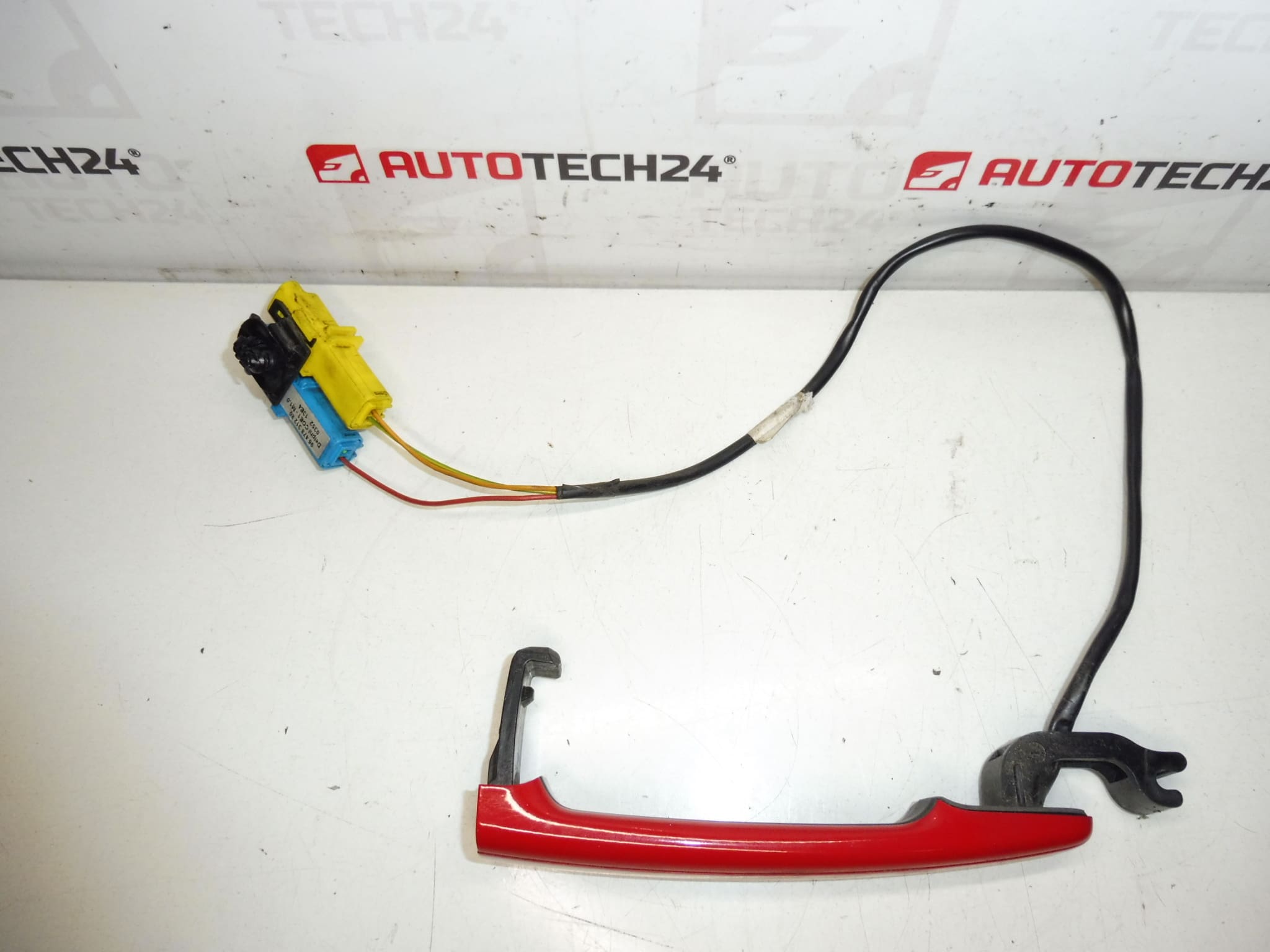
Door Handle For PEUGEOT 307 CC Left And Right
Color KKN – Aden Red Paint
Functional, Tested
Various Colors In Stock Under Code 9101X2
The external door handle designed for the Peugeot 307 CC is a direct-fit replacement for both left and right doors. Finished in KKN Aden Red paint, this handle is supplied functional and ready to install. Commonly searched by part numbers such as 9651421577, 9651421477 or 9101X2, it is ideal for mechanics and DIY enthusiasts who prefer to identify parts by OEM codes.
Technical Information
- Manufacturer: Stellantis / Peugeot
- Model: Peugeot 307 CC
- Product Codes: 9651421577, 9651421477, 9101X2
- Additional Numbers: 9647831280, KKND
Fitment And Application
Designed specifically for the Peugeot 307 CC (convertible coupe), this handle fits both driver and passenger sides. It replaces the external door pull and integrates with the existing lock and rod mechanism of the vehicle. Use the listed product codes when searching to ensure you find the correct color and variant.
Installation And Recommendations
Replacement of the door handle is a medium-difficulty job suitable for experienced DIYers or professional workshops. Typical steps:
- Remove the interior door trim panel using trim tools to avoid damage to clips and upholstery.
- Disconnect any electrical connectors if the handle includes a keylock sensor or connector (if present).
- Remove the retaining bolts or nuts securing the handle from the inside of the door.
- Carefully disengage the locking rods and plastic clips. Inspect clips and replace if brittle or broken.
- Install the new handle, reconnect rods and connectors, torque fasteners to manufacturer specification, and test the mechanical lock and central locking operation before reassembling the trim.
Recommended tools: Torx or metric sockets, flat and Phillips screwdrivers, plastic trim removal tools, small needle-nose pliers, and light grease for pivot points. Protect painted surfaces with tape and work on a soft surface to avoid scratches. Replace any damaged plastic clips during installation to ensure reliable operation.
Why The Part Typically Fails
External door handles on the Peugeot 307 CC commonly fail for a few reasons: internal plastic components and clips can become brittle with age and break; corrosion or wear on metal pivots and fasteners; impact damage from collisions or forced entry; and paint degradation from environmental exposure. Failure symptoms include loose or detached handle, inability to unlatch the door from outside, or intermittent operation of the lock.
Buying Notes
Search by OEM codes (9651421577, 9651421477, 9647831280, 9101X2) to find the exact color and variant. Keep a spare set of plastic clips and basic hand tools on hand when doing the job to minimize time in the workshop.