Description
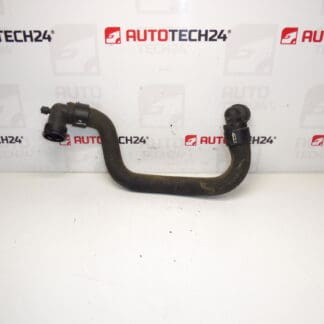
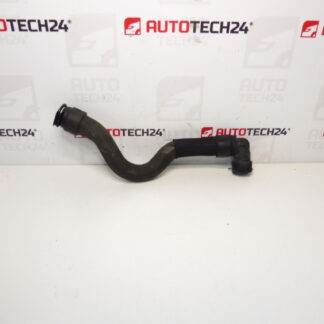
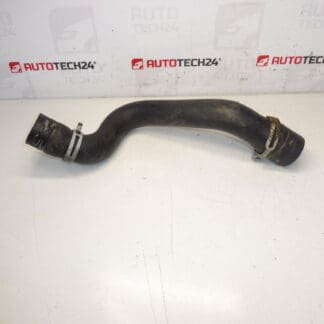
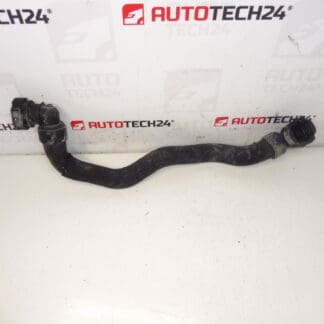
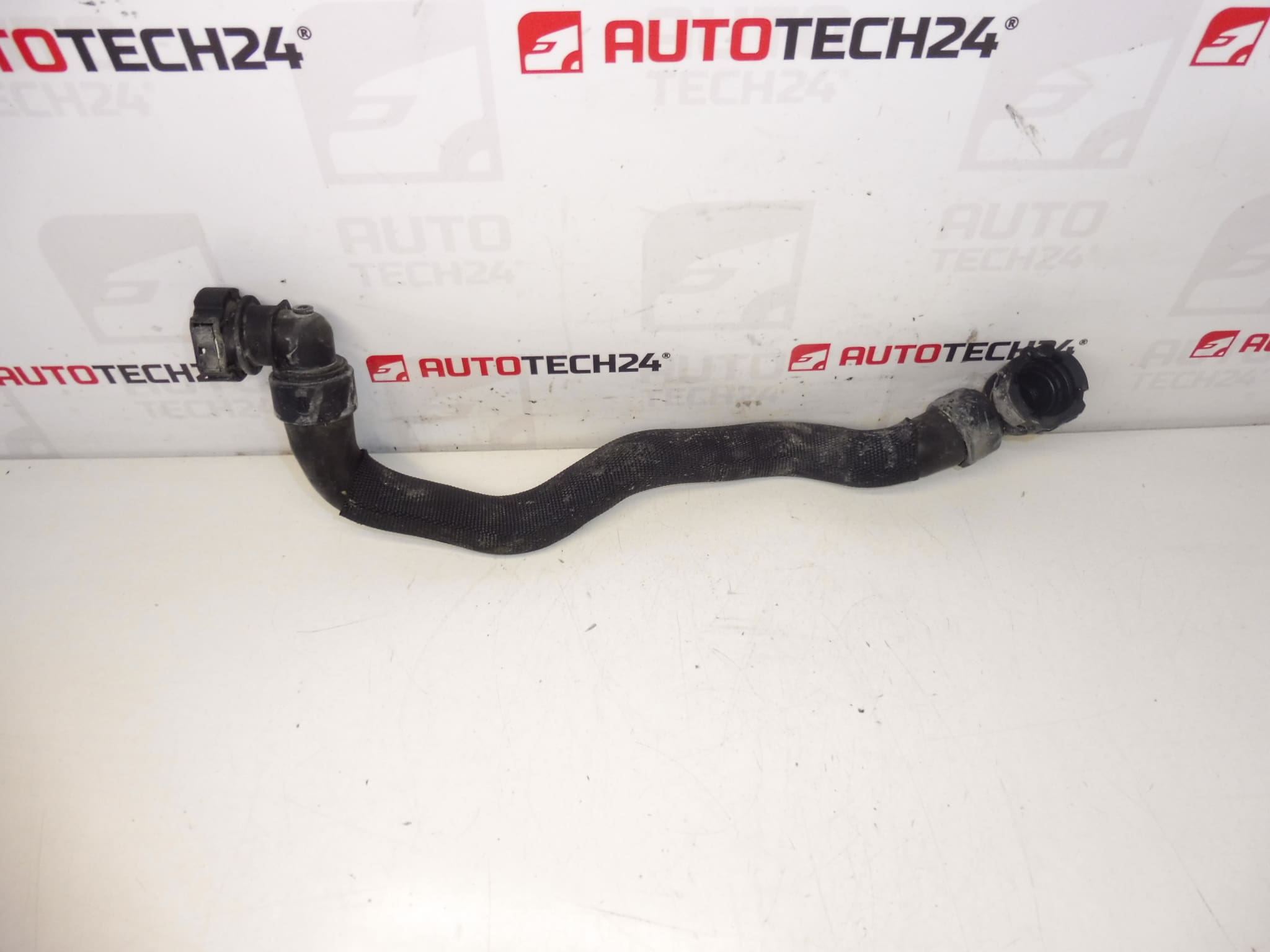
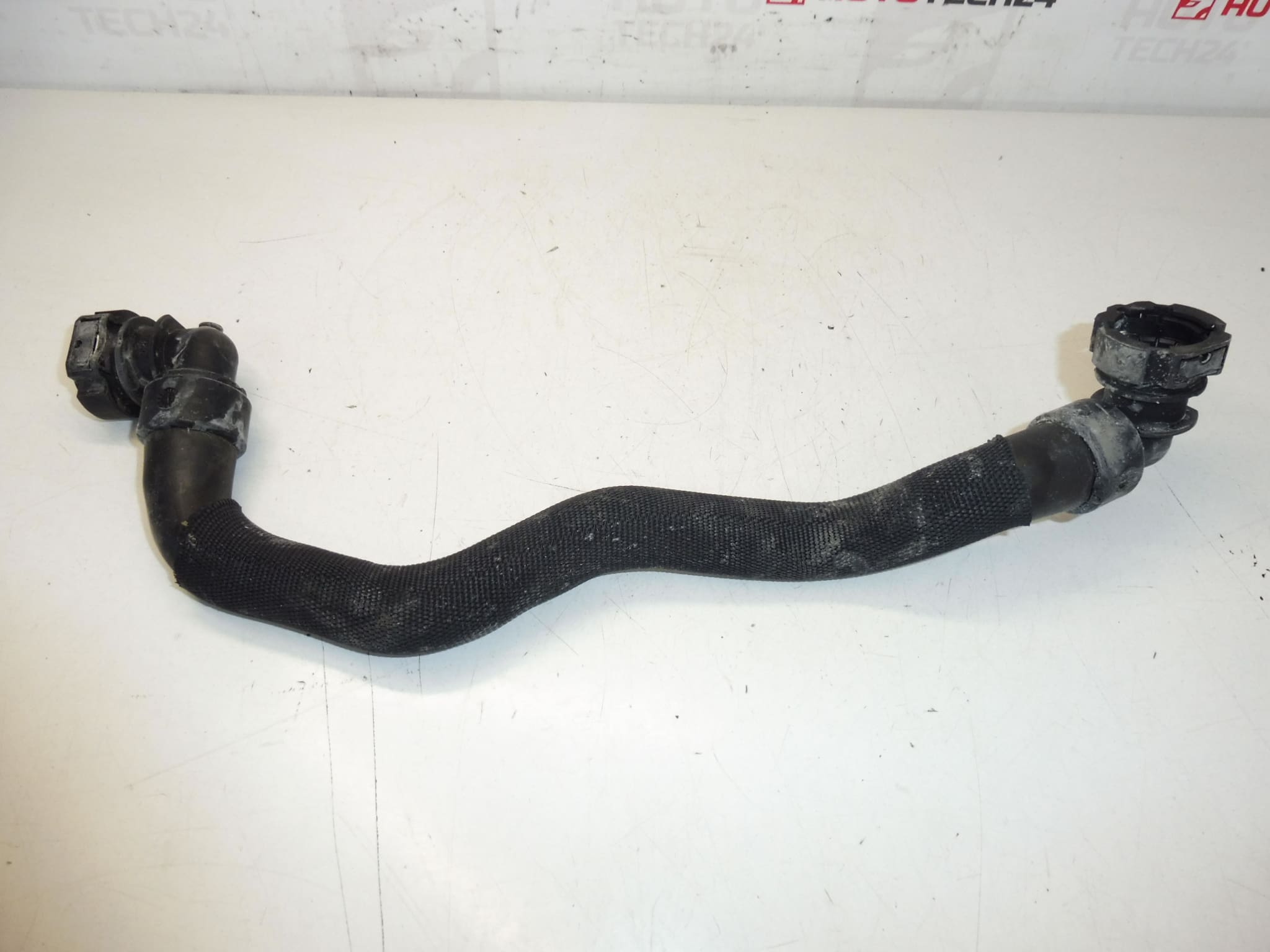
Coolant pipe to the heater exchanger for Citroën and Peugeot vehicles with the 2.0 HDi RH02 engine.
High-quality replacement coolant pipe designed for the heater core circuit on 2.0 HDi RH02 engines. This part (6466VF) delivers reliable coolant flow between the engine and the heater exchanger, restoring proper cabin heating and preventing coolant loss. Ideal for professional garages and experienced DIYers who service Citroën and Peugeot models: the hose is commonly searched by part number 6466VF and fitted to a range of Stellantis vehicles. Fitment accuracy and robust construction reduce the risk of overheating and coolant leaks, improving vehicle comfort and engine thermal stability.
Technical Information
- Manufacturer: Stellantis / Citroën / Peugeot
- Model(s): Citroen C4 II; Citroën C4 Picasso II; Citroen C5 X7; DS4; DS5; PEUGEOT 3008 I; Peugeot 308; PEUGEOT 5008 I
- Product Codes: 6466VF
- Additional Numbers: Engine Code RH02
Function
The pipe conveys engine coolant to and from the heater exchanger (heater core). It Is A Critical Part Of The Cabin Heating Circuit And Helps Maintain Correct Engine Temperature By Ensuring Continuous Flow Through The Heater Matrix When The Heating System Is Active.
Common Failure Causes
- Aging And Heat Degradation: Rubber And Composite Materials Harden, Crack Or Split After Years Of Thermal Cycling.
- Chemical Degradation: Incorrect Coolant Or Contamination Accelerates Material Breakdown.
- Mechanical Damage: Chafing Against Other Components, Impact, Or Improper Clamping Can Cause Leaks.
- Corroded Or Worn Clamps: Loose Or Damaged Clamps Lead To Seepage And Pressure Loss.
Replacement Interval And Inspection
Inspect Heater Hoses At Every Scheduled Service Or If You Notice Any Coolant Smell, Visible Leaks, Soft Or Brittle Sections, Or Reduced Cabin Heating Performance. Typical Service Life Varies With Use And Environment; Replace At The First Signs Of Wear—Commonly Around 6–10 Years Under Normal Conditions, Shorter If Exposed To Contamination Or Excess Heat.
Installation Recommendations
- Work On A Fully Cooled Engine To Avoid Scalding. Release System Pressure Carefully Before Opening The Cooling Circuit.
- Drain Enough Coolant To Prevent Spillage When Removing The Hose. Collect And Dispose Of Coolant According To Local Regulations.
- Replace Hose Clamps With New, Correct-Size Clamps. Check Adjacent Hoses And Seals; Replace If Worn.
- Ensure Correct Routing And Secure Fastening To Prevent Chafing. Avoid Sharp Bends That Could Restrict Flow.
- Refill Coolant Using The Correct Specification For The Vehicle, Then Bleed The Cooling System To Remove Air Pockets (Follow Manufacturer Procedure).
- After Installation, Run The Engine To Operating Temperature And Recheck For Leaks; Inspect Heater Functionality.
- Recommended For Professional Fitment If Access Requires Dashboard Or Heater Matrix Removal; Otherwise Suitable For Experienced DIY Technicians With Proper Tools.
Why Choose This Part
Fast Identification By Part Number 6466VF, Direct Fit For Common Citroën And Peugeot 2.0 HDi Applications, And Durable Construction Designed To Restore Heater Circuit Integrity. A Correctly Replaced Heater Hose Eliminates Coolant Leaks, Restores Cabin Heating, And Helps Maintain Engine Cooling Efficiency.