Description
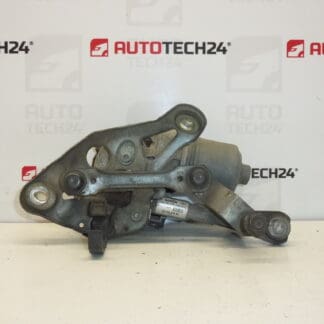
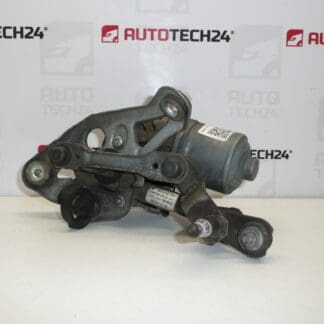
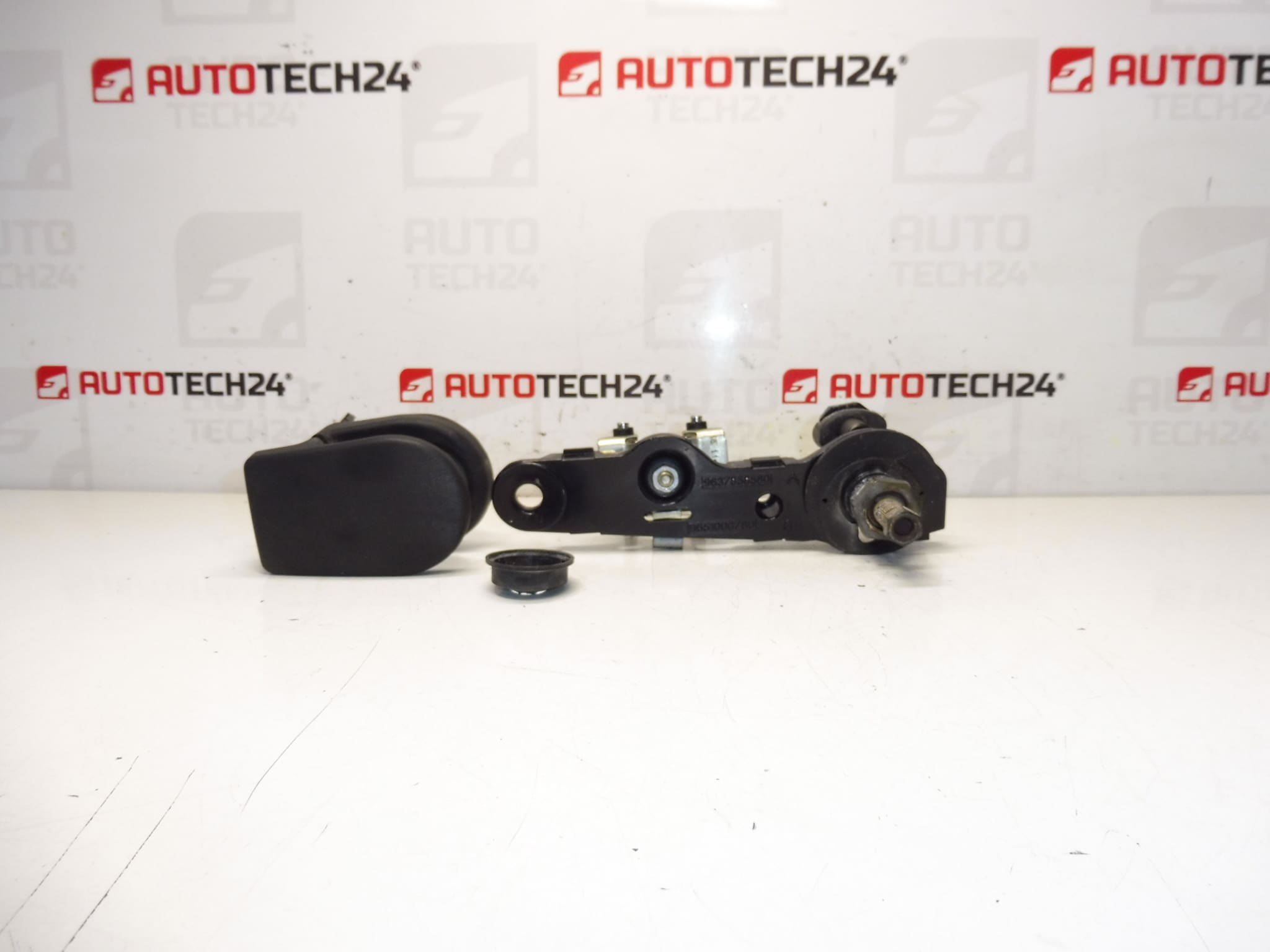
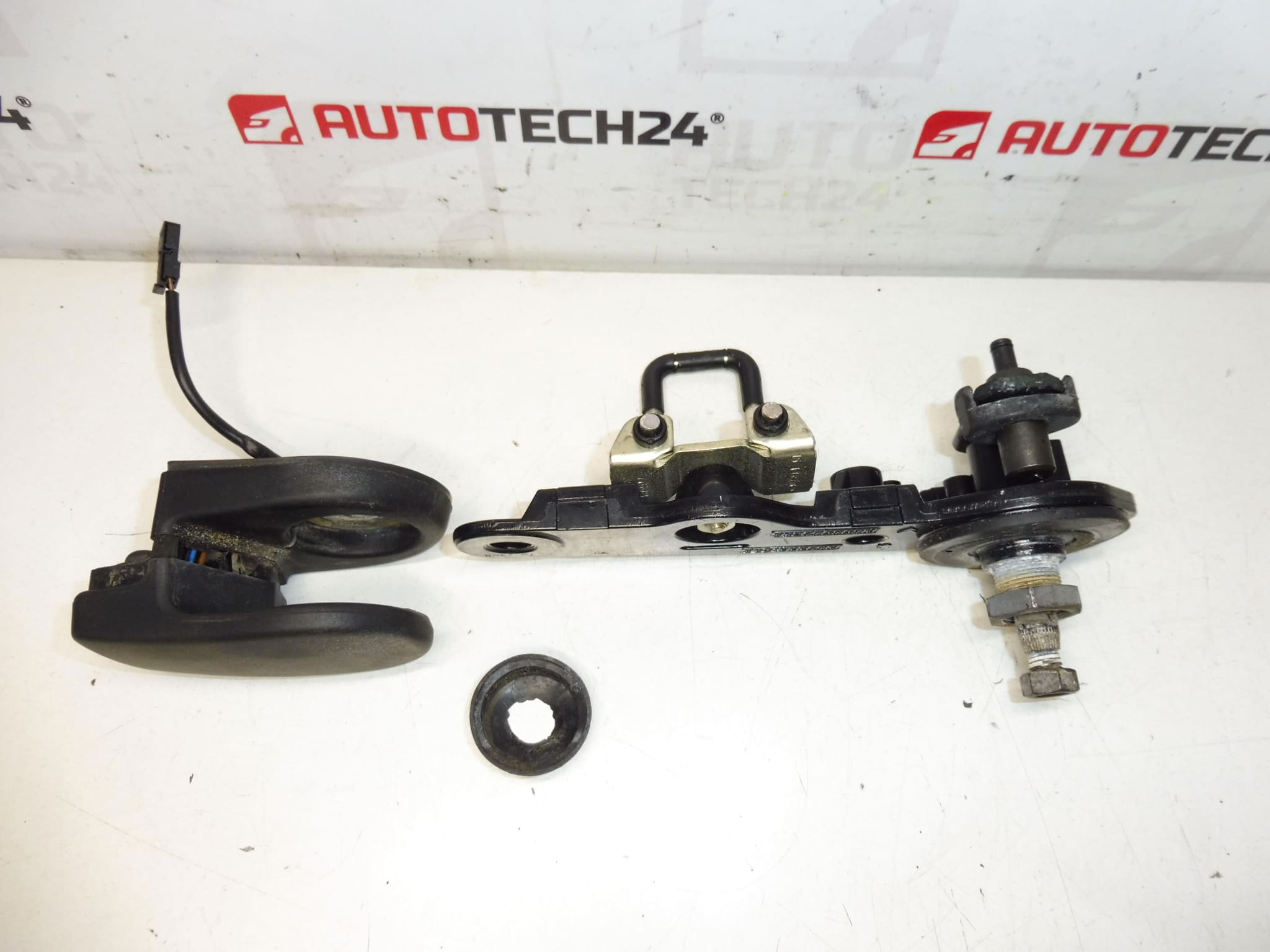
Rear Wiper Mechanism For Peugeot 407 Vehicles. Bearing Is Functional, Microswitch Is Functional.
The Rear Wiper Mechanism for the Peugeot 407 SW is a direct-fit solution designed to restore reliable rear-window wiping and park functions. This unit includes the mechanical gearbox, bearing and microswitch assembly; the bearing and microswitch on this particular item are functional. Ideal for professional workshops and experienced DIYers who look up parts by OEM number: the mechanism matches common Peugeot/Stellantis product codes and replaces worn or noisy rear wiper linkages and motors on estate models.
Key Benefits
Reliable Mechanical Replacement: Restores correct sweep and park position of the rear wiper arm. Improved Visibility: Eliminates streaking and erratic wiping caused by worn gears or seized pivots.OEM Compatibility: Frequently Searched By Part Number For Fast Identification In Repair Shops And Online Catalogs.
Fitment
- Peugeot 407 SW (Estate)
Technical Information
- Manufacturer: Stellantis (Peugeot/Citroën)
- Model: Peugeot 407 SW
- Product Codes: 9651000780, 9637858580, 6405Z1
- Additional Numbers: 6405K3, 6405K4, 6405K5, 450343, 6936C2
Function And Common Faults
The rear wiper mechanism transfers rotary motion from the motor into the sweep movement of the wiper arm and contains internal gears, bearings and a microswitch that detects park position. Typical failure modes include gear wear or stripping, bearing seizure from corrosion or contamination, water ingress into the motor/gearbox and failure of the park microswitch. When these components deteriorate, symptoms include noisy operation, incomplete sweep, wiper arm not parking correctly, or complete loss of rear wiper movement.
Replacement Procedure (Overview)
Replacement is straightforward for experienced technicians and competent DIYers with basic workshop tools:
- Remove The Rear Wiper Arm: Pry off the wiper cap, remove the retaining nut and lift the arm free.
- Remove Tailgate Trim: Open Tailgate And Carefully Remove Interior Trim Panel To Access The Mechanism (Retain Clips And Fasteners).
- Disconnect Electrical Connector: Unplug The Wiper Motor Connector And Any Linked Harnesses.
- Unbolt The Mechanism: Unscrew Fasteners Holding The Gearbox/Mounting Plate, Free The Unit From The Tailgate.
- Install New Unit: Position The Replacement Mechanism, Tighten Fasteners To Manufacturer Torque Where Available, Reconnect Electrical Connector.
- Refit Trim And Wiper Arm: Reinstall Interior Trim, Refit Wiper Arm To Correct Park Position And Secure Nut.
- Function Test: Cycle The Rear Wiper To Confirm Sweep Range, Park Position And Absence Of Unusual Noise.
Installation Recommendations
- Disconnect The Battery Before Starting Work To Avoid Short Circuits And Unintended Motor Operation.
- Protect Interior Trim Clips And Fasteners During Removal To Prevent Breakage.
- Check The Wiper Arm Splines And Replace The Arm Or Washer If Excessive Play Is Found.
- Ensure The Mechanism Is Correctly Aligned So The Wiper Parks In The Designated Position.
- Apply Dielectric Grease To Electrical Connectors If Corrosion Is Present; Lubricate Pivot Points With Suitable Grease During Reassembly.
Why The Part Most Commonly Fails
Rear wiper mechanisms are exposed to weather, road salt and moisture, which promote corrosion and contamination. Repeated mechanical load and occasional shock (ice, blockage) accelerate wear of plastic or metal gears and bearings. Water ingress can short the motor or cause the park microswitch to fail. Lack Of Lubrication And Physical Damage From Snow/Ice Are Frequent Causes Of Premature Failure.
Notes For Buyers
Searches For This Part Often Use The OEM Numbers Listed Above; Entering These Codes In Online Catalogs Or Workshop Systems Will Help Confirm Fitment. This Unit Is Suited For Professional Replacement Or Confident DIY Installation By Someone Familiar With Tailgate Trim Removal And Basic Electrical Disconnection.