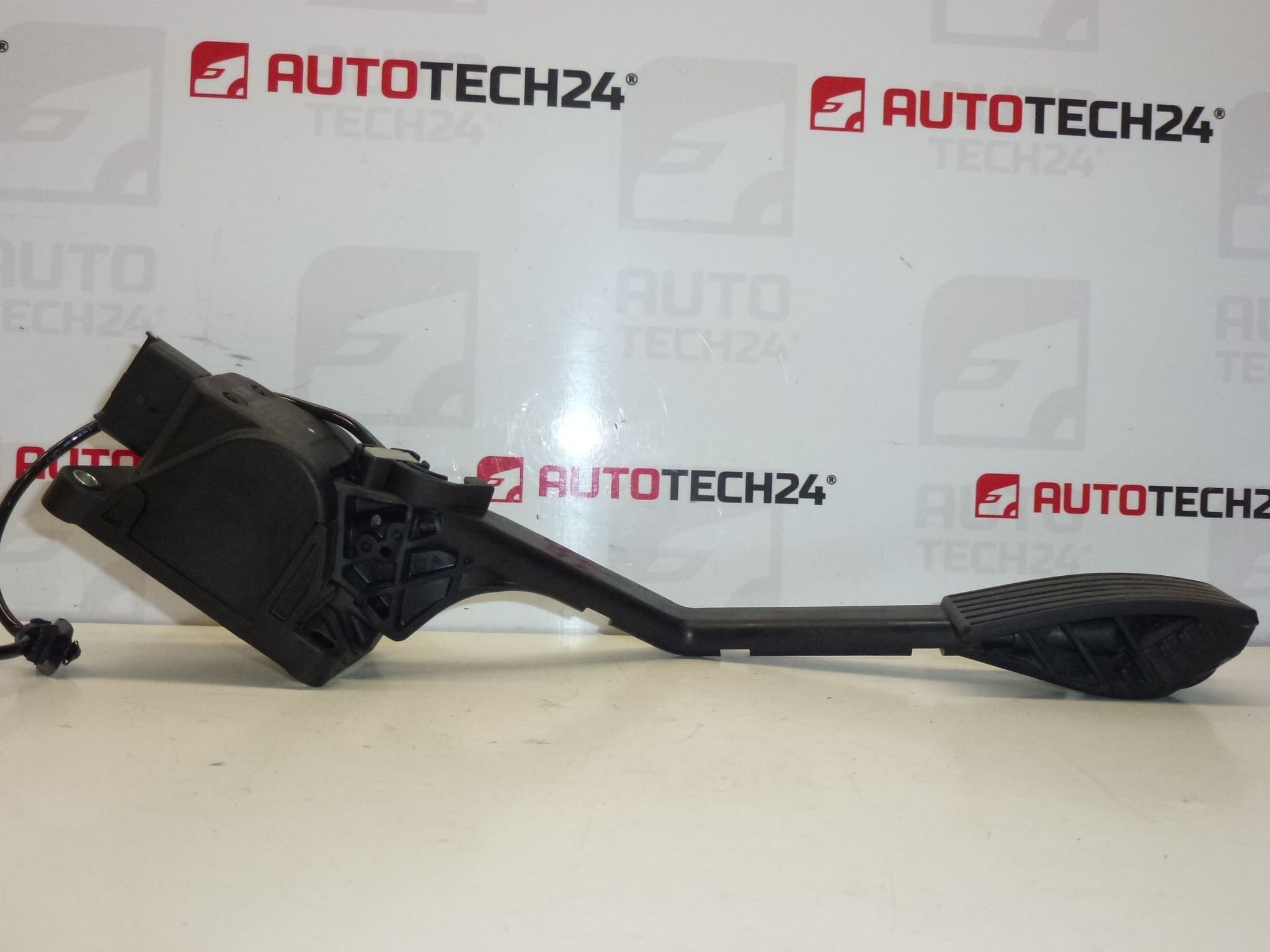
Description
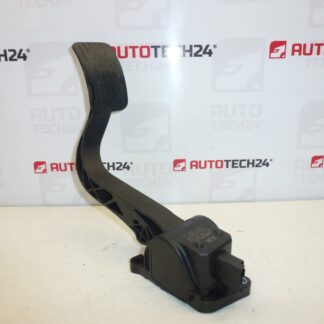
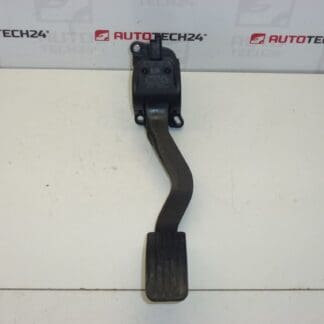
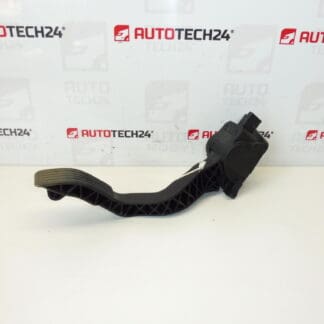
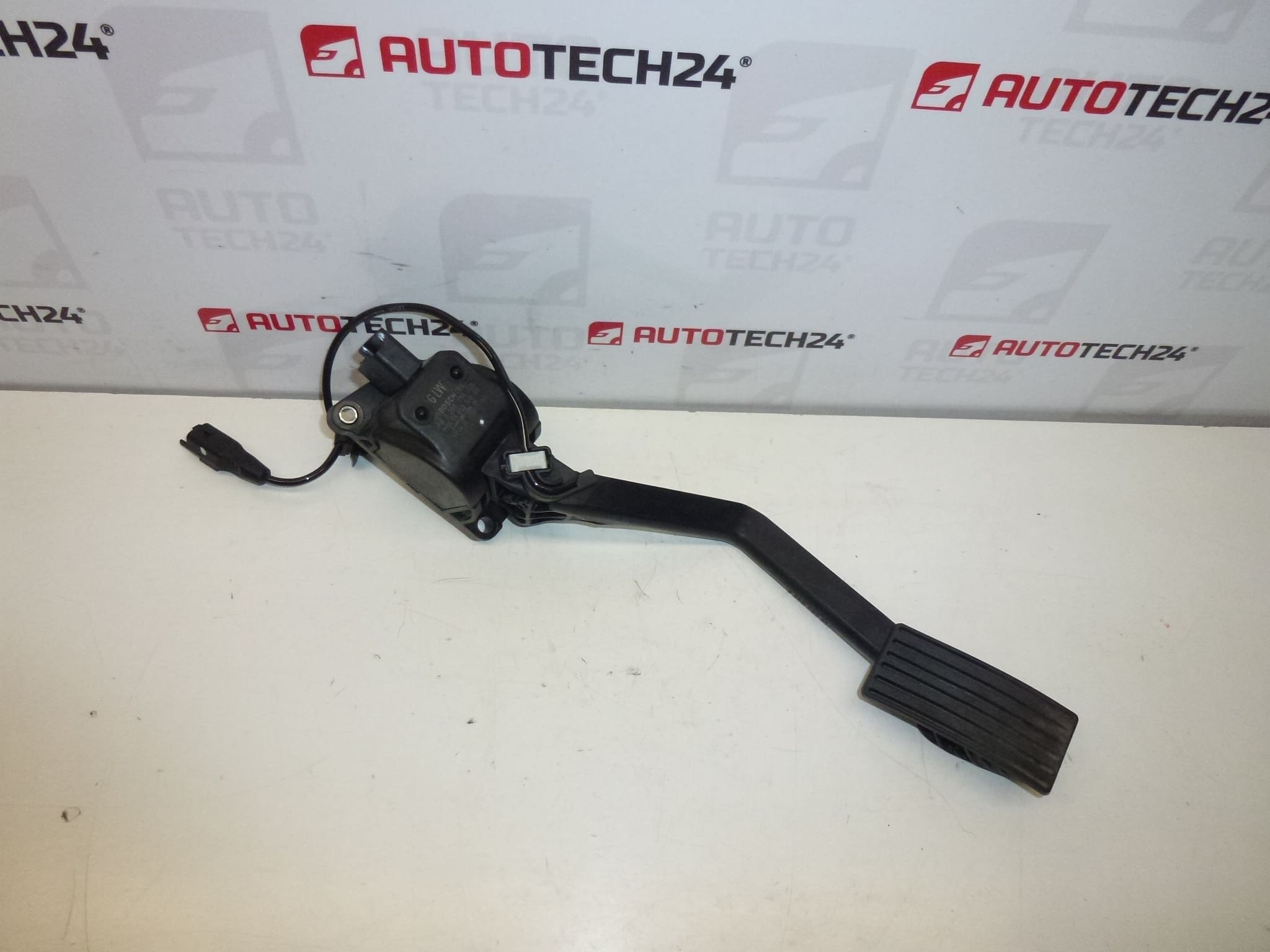
Throttle Pedal For CITROËN C5 III And PEUGEOT 407
This Bosch accelerator pedal (accelerator pedal position sensor) with product codes 1601Z0 / 1601EK is a direct-fit replacement for Citroën C5 III (X7) and Peugeot 407 models. Designed for professional workshops and experienced DIYers, the unit restores accurate throttle input to the engine control system and helps eliminate hesitation, erratic throttling or limp-home mode caused by a faulty pedal sensor. Commonly searched by part numbers 1601Z0 and 1601EK, this part is ideal when the original pedal shows electrical faults or mechanical wear.
Technical Information
- Manufacturer: Bosch
- Models: Citroën C5 III (X7); Peugeot 407
- Product Codes: 1601Z0, 1601EK
- Other Numbers: Not Available
Function And Symptoms
The accelerator pedal assembly houses an electronic position sensor (potentiometer or Hall-effect sensor) that communicates pedal position to the engine control unit (ECU). When the sensor degrades or the electrical connection fails, symptoms can include inconsistent throttle response, delayed acceleration, sudden surges, illuminated engine management light or the vehicle entering reduced-power (limp) mode. These faults are often logged as accelerator pedal position or throttle-related fault codes.
Installation Recommendation
Replacement is straightforward for a trained mechanic or competent DIYer with basic tools. Recommended steps:
- Disconnect the negative battery terminal before starting work to avoid accidental short circuits.
- Remove lower trim panels or footwell covers to access the pedal assembly.
- Unplug the electrical connector and remove the retaining bolts that secure the pedal to the bulkhead.
- Fit the new pedal, tighten fasteners securely, reconnect the wiring harness and reinstall trim.
- After installation, clear stored fault codes and, if required by the vehicle, perform throttle adaptation/relearn using dealer or aftermarket diagnostic equipment.
Inspect the harness and connector for corrosion or damaged pins when replacing the pedal. Proper seating of the connector and clean contacts are essential for reliable operation.
Why This Part Fails
Electronic accelerator pedals typically fail due to long-term wear of the internal sensor, contamination (moisture or dust ingress), corrosion at the electrical connector, or mechanical damage from foot impact. High mileage and vehicle age increase the likelihood of sensor drift or intermittent signals, which translates to the common symptoms described above.
Notes For Buyers
If you often search by part number, use 1601Z0 or 1601EK to find this exact Bosch unit. Suitable for garages and DIY repairs where restoring precise throttle control and eliminating driveability issues is required.