Description
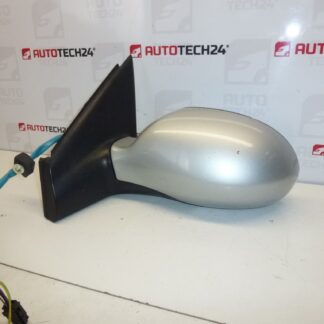
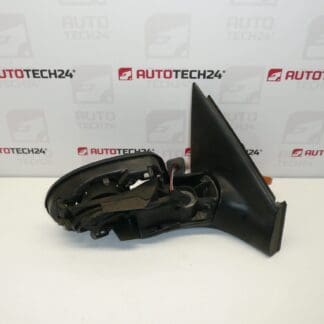
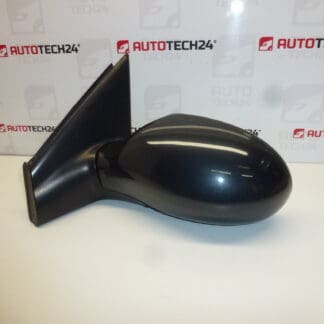
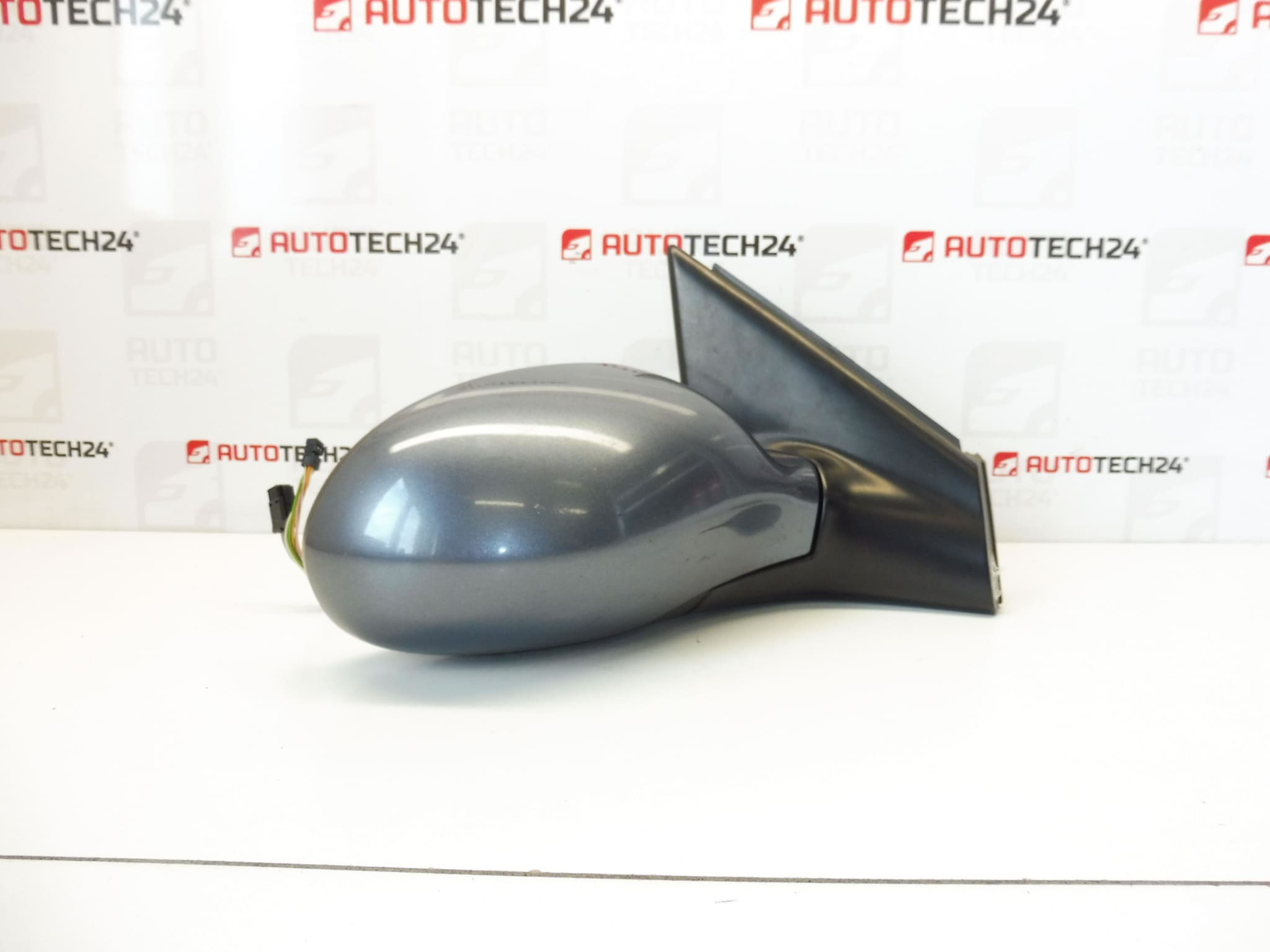
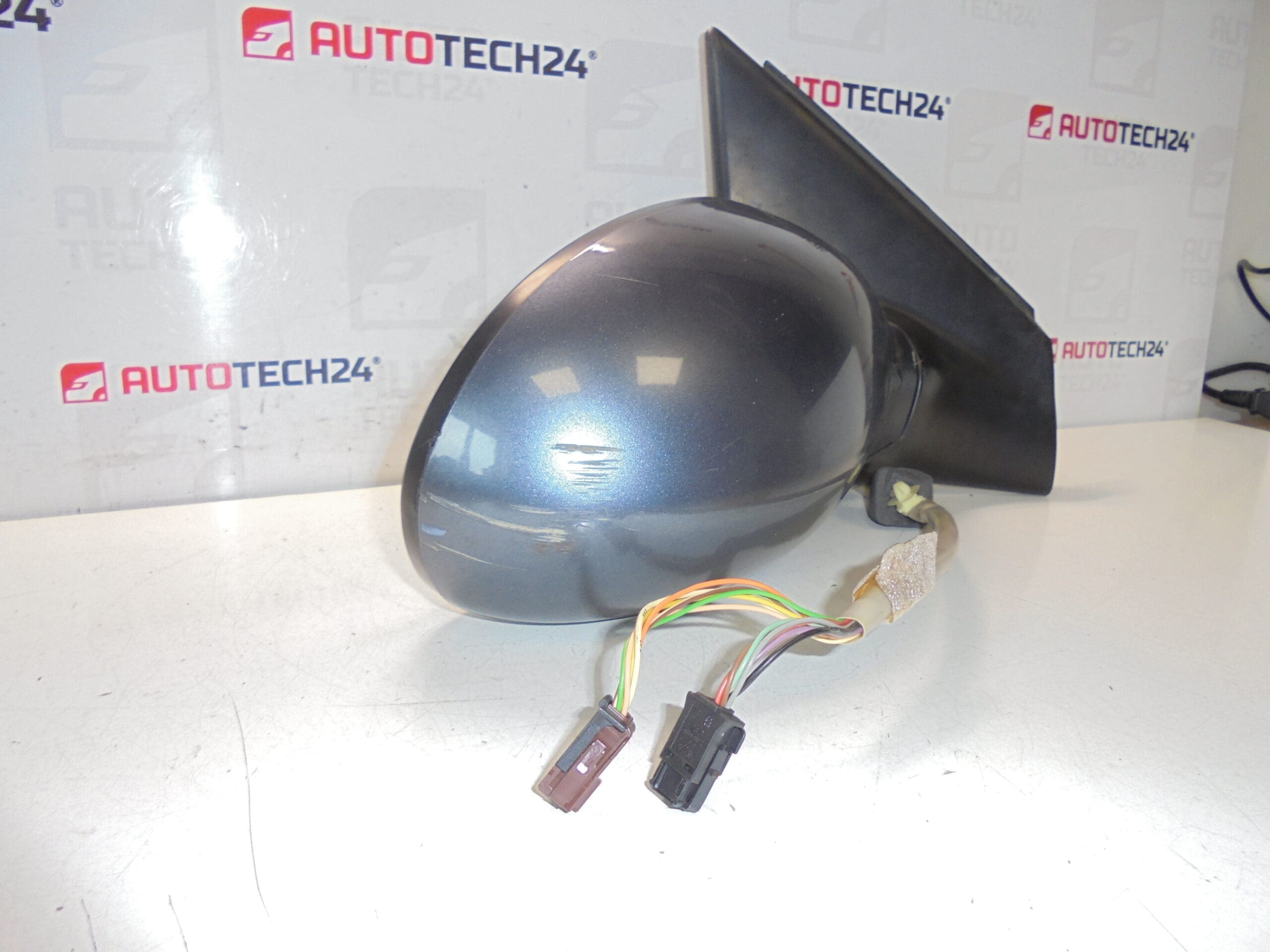
Right Exterior Mirror For CITROËN C5 From 2005, May Also Fit Some Pre-2005 Models. Electrically Operated, Electrically Folding To The Vehicle, Heated, With Temperature Sensor. Passenger Side. Color EZW – Grey FER Paint. Slightly Damaged Paint And Frame, Fully Functional.
This right-hand exterior mirror (8149WH / EZWD) is a practical replacement for workshops and DIY mechanics working on Citroën C5 vehicles. The mirror Offers Electric Adjustment, Electric Folding, Integrated Heating And An Ambient Temperature Sensor — All Designed To Restore Full Functionality After Impact Or Wear. The Unit Is Sold As Shown: Slight Surface Scratches On The Paint And Frame Are Present, But The Mirror Is Mechanically And Electrically Functional.
Key Features And Benefits
- Direct Fit For Many Citroën C5 Applications — Keeps Original Adjustment And Folding Functions.
- Electric Folding Mechanism For Convenience And Protection When Parking.
- Integrated Heating To Prevent Fogging And Ice Build-Up In Cold Conditions.
- Built-In Temperature Sensor For Climate-Related Systems That Rely On External Temperature Input.
- Includes Product Code 8149WH / EZWD For Easier Lookup And Matching.
Technical Information
- Manufacturer: Stellantis (Citroën/Peugeot)
- Model: Citroën C5 (From 2005; May Fit Some Pre-2005 Models)
- Product Codes: 8149WH, EZWD
- Other Numbers: —
Installation Recommendations
- Disconnect The Battery Before Starting Work To Avoid Short Circuits And Protect Electronic Components.
- Remove The Interior Door Trim Carefully To Access Mirror Fastenings; Retain Fasteners And Clips For Reuse If Undamaged.
- Disconnect Electrical Connectors Gently; Inspect Connectors For Corrosion Or Bent Pins.
- Support The Mirror While Removing The Mounting Bolts To Prevent Damage To The Glass Or Door Paint.
- After Mounting, Reconnect The Electrical Connector And Refit The Door Trim. Test Electric Adjustment, Folding And Heating Functions Before Finalizing The Installation.
- Aim Mirror And Verify Proper Operation At Various Ignition Positions; If The Folding Or Heater Does Not Operate, Recheck Connector Seating And Fuse/Relay Condition.
Why This Part Commonly Fails
- Impact Damage: The Most Frequent Cause Is Collisions Or Side-Impacts That Crack The Housing, Bend The Mounting, Or Damage The Folding Mechanism.
- Water Ingress: Seals And Connector Boots Can Degrade Over Time Allowing Moisture To Reach Motors, Heating Elements Or The Temperature Sensor.
- Electrical Wear: Repeated Folding And Adjustment Can Wear Gears Or Motors, Leading To Intermittent Or Failed Movement.
- Corrosion: Road Salt And Environmental Exposure Can Corrode Connectors And Fasteners, Causing Poor Electrical Contacts.
- Surface Damage: Scratches And Paint Damage Are Common From Minor Impacts; Cosmetic Damage Does Not Necessarily Affect Function.
This mirror Is Ideal For Professionals And Enthusiasts Who Need A Functional, Electrically Equipped Right-Hand Mirror For Citroën C5 Applications. Use The Product Code 8149WH / EZWD When Searching To Improve Match Accuracy And Speed Up Your Repair Process.