Description
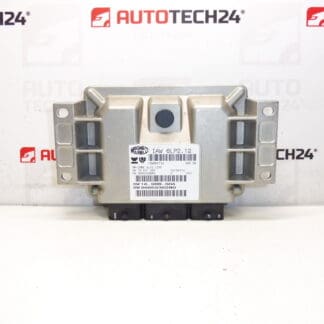
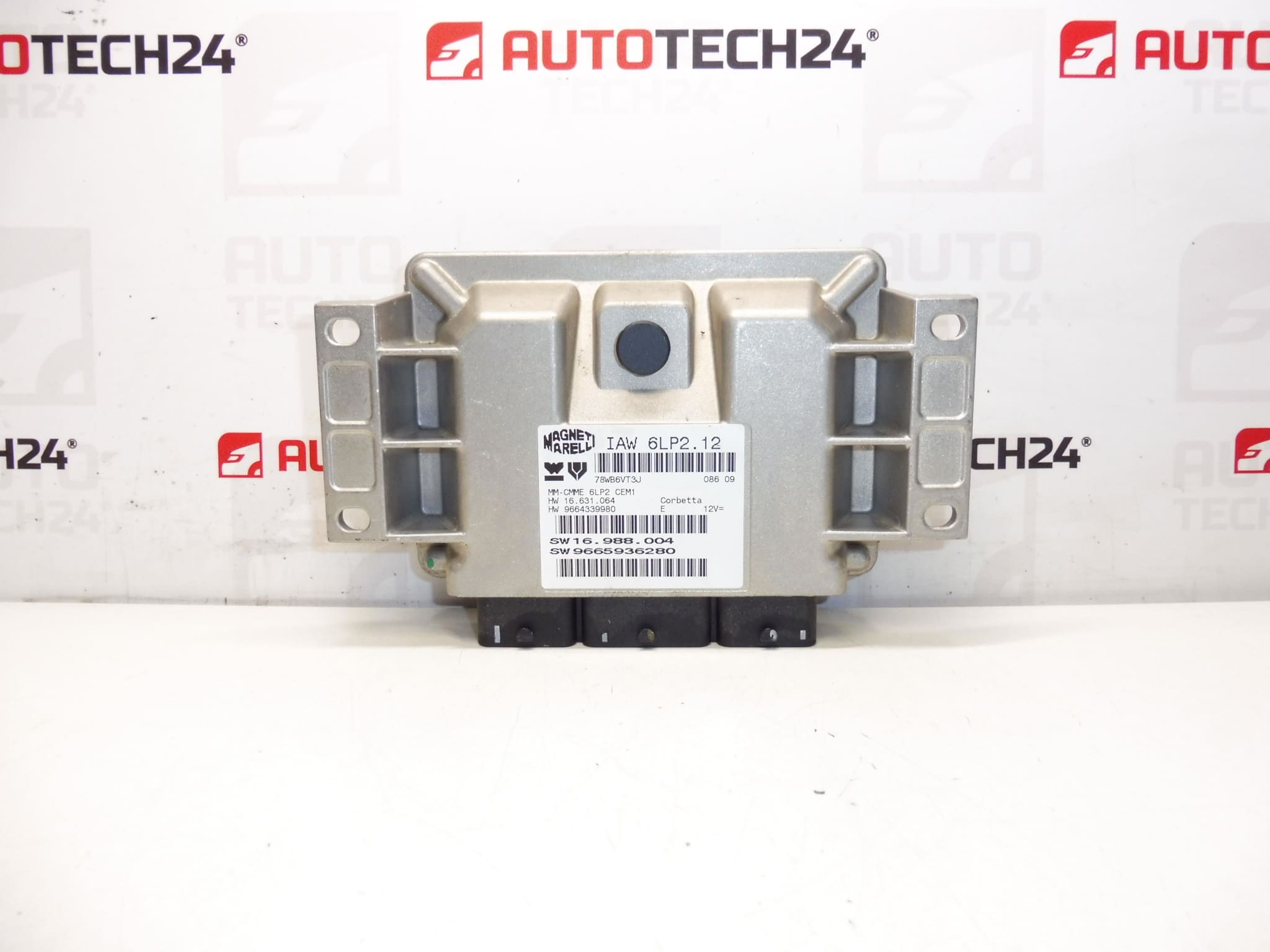
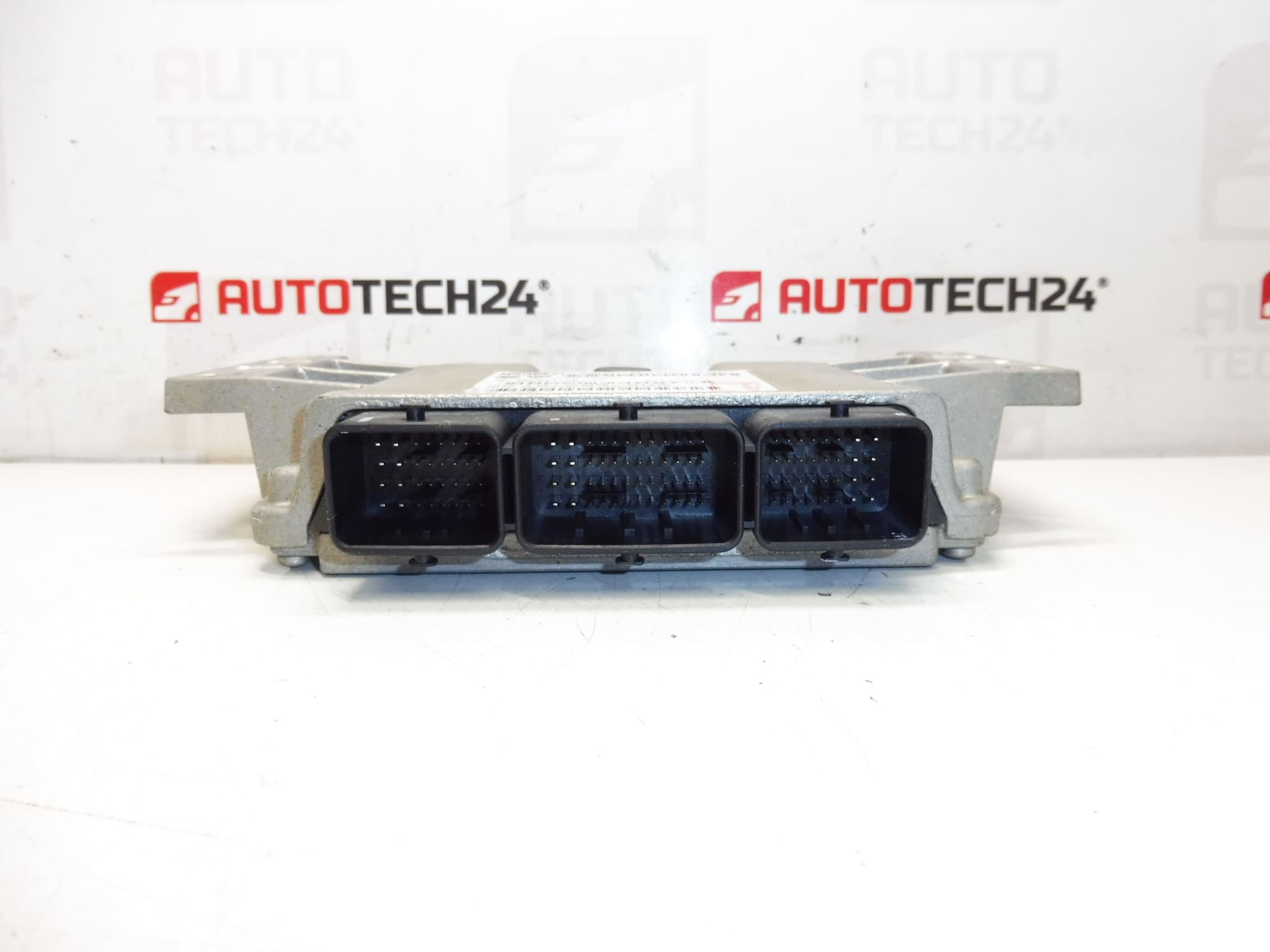
Control Unit MAGNETI MARELLI IAW 6LP2.12. Fits 1.4 16V KFU engines for Citroën and Peugeot vehicles. It is from a Citroën C4 2009.
This Magneti Marelli IAW 6LP2.12 engine control unit (ECU) is intended for professional workshops and DIY mechanics servicing Citroën and Peugeot models with the 1.4 16V KFU engine. The unit accepts common OEM product codes used in parts searches (see Technical Information below), making it quick to find by reference number. The ECU manages fuel injection, ignition timing and engine sensors to ensure stable idle, responsive throttle and correct emissions behaviour. Suitable for repairs where the original control unit is faulty, corroded or damaged after electrical faults or water ingress.
Installation Overview
Typical replacement steps: disconnect the vehicle battery; locate the ECU (commonly found in the engine bay or behind the glovebox depending on model); remove trim or covers; unplug wiring connectors and remove securing bolts; fit the replacement unit and reconnect. After mechanical installation, coding or data transfer is often required so the engine runs correctly and the immobiliser functions as expected.
Installation And Coding – Important
- The Unit Is Used And Is “Paired” With The Original Vehicle (VIN/PIN/Keys).
- Options To Commission The Unit:
- Cloning Data From The Old Unit (EEPROM/Flash) – After Cloning The Unit Is Plug And Play.
- Virginization And Subsequent Initialization/Telecoding Via DiagBox (Or Online) + Key Adaptation.
- Recommended To Be Carried Out By A Technician With PSA Service Equipment (DiagBox/Lexia/PP2000).
- Always Disconnect The Battery Before Removal/Installation And Follow The Manufacturer Procedure To Avoid Damaging The Unit.
Recommended For Replacement
ECUs usually have a long service life and are replaced only when faults occur (engine misfires, no-start, persistent fault codes, or communication loss on diagnostic tools). Replacement is recommended after confirmed electronic failure, water damage, heat-related faults or irreparable connector corrosion. When possible, have the original unit’s data cloned to the replacement to avoid immobiliser or coding issues.
How It Is Replaced On The Vehicle
- Prepare: Park on level ground, engage handbrake, remove ignition key and disconnect the negative battery terminal.
- Access: Remove necessary trim or panels to reach the ECU location (engine bay or passenger compartment depending on model).
- Disconnect: Carefully release locking tabs on wiring harness connectors; label connectors if needed to avoid mix-up.
- Remove: Unscrew mounting bolts and extract the ECU; inspect connectors and wiring for damage.
- Fit: Mount the replacement unit, secure bolts, reconnect harnesses and reconnect the battery.
- Commissioning: Perform cloning or coding/initialization as required (see Installation And Coding – Important).
Why This Part Fails Most Often
Common causes of ECU failure include water ingress (leaks, flooding), corrosion on connectors, electrical surges from jump-starts or charging system faults, and thermal stress or failed solder joints. Connector damage and poor grounding can also cause intermittent faults that mimic sensor or actuator failures.
Technical Information
- Manufacturer: Magneti Marelli
- Model: IAW 6LP2.12
- Product Codes: 9664339980; 9665936280
- Other Numbers: 16.631.064; 16.988.004; 1940XH; 1940XJ
- Compatible Engines/Models: 1.4 16V KFU Engine; Fits Citroën and Peugeot Vehicles; Removed From Citroën C4 (2009)
Mounting Recommendation
Use correct torque for ECU mounting screws, ensure connectors click fully into place and that connector seals are intact. Protect the unit from moisture and avoid routing high-current wiring near the ECU harness. If the vehicle has experienced electrical faults, inspect the alternator and battery to prevent damage to the new unit.