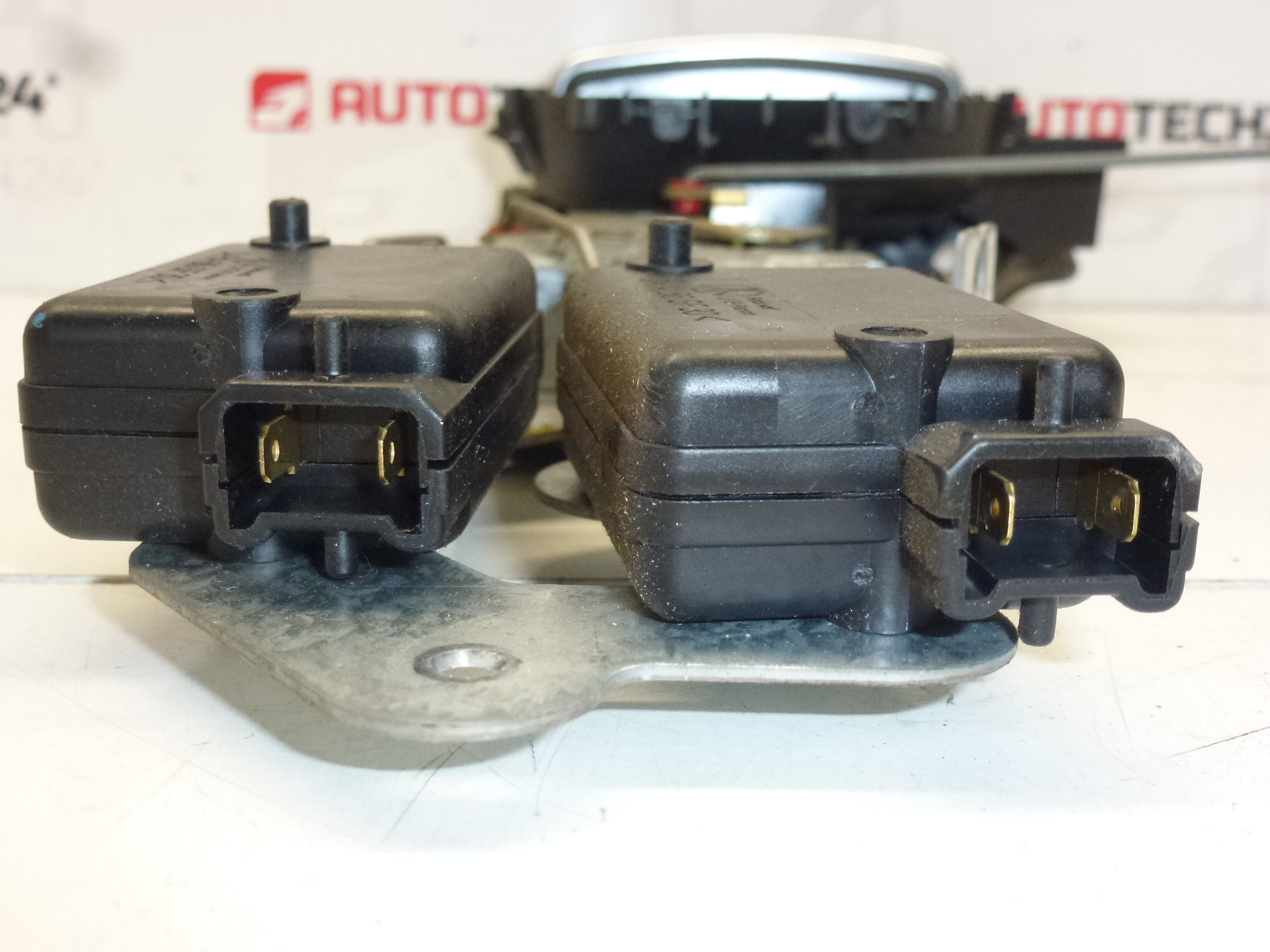
Description
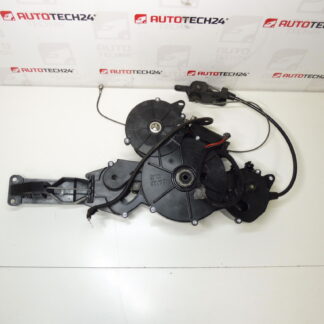
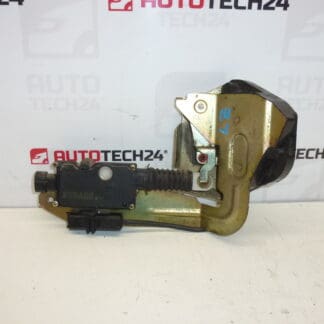
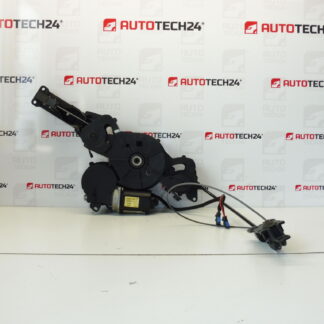
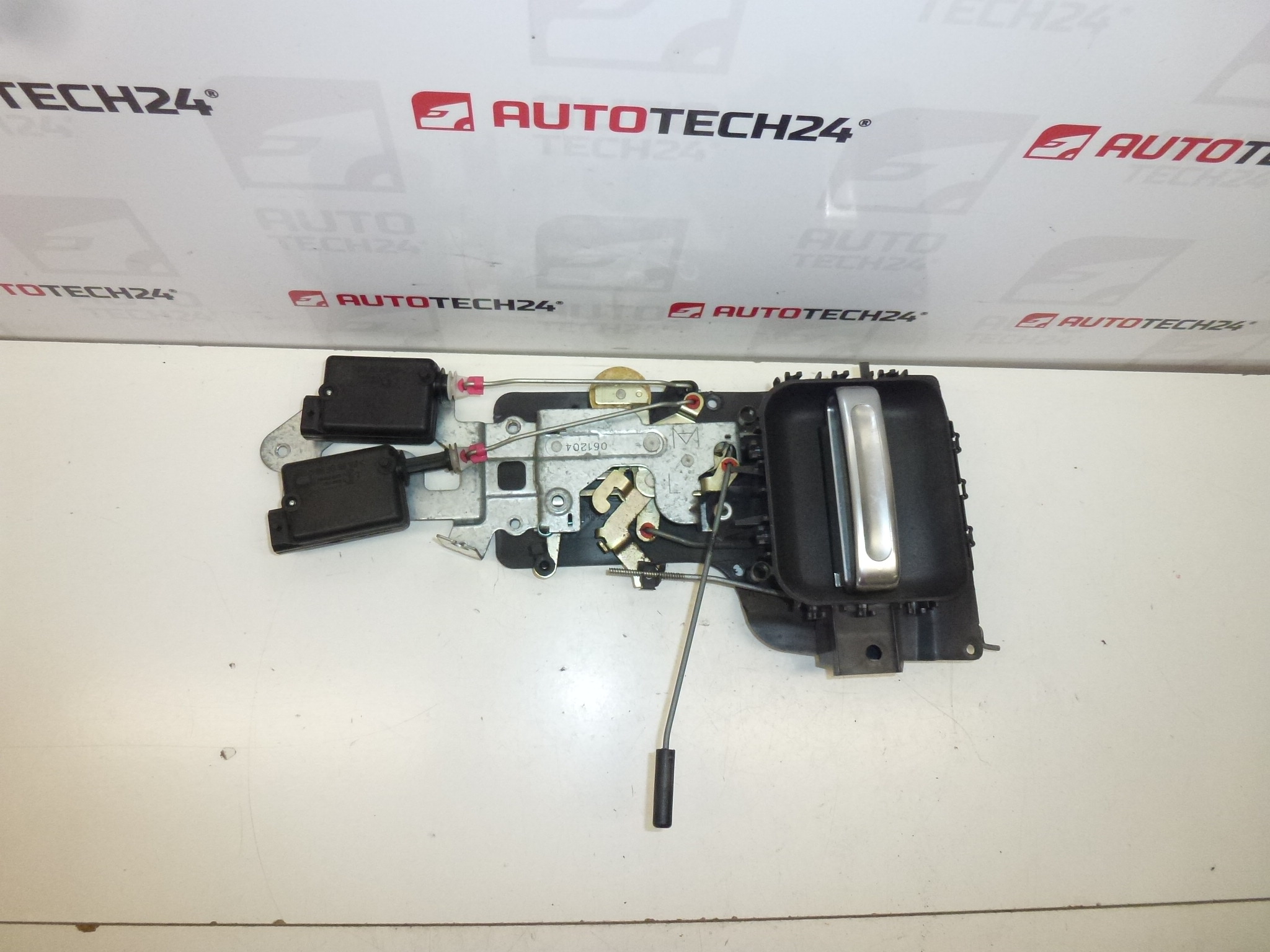
Electric control for the left rear sliding door for Citroën C8 and Peugeot 807 vehicles.
The electric control unit and actuator for the left rear sliding door is a direct-fit replacement part designed for Citroën C8 and Peugeot 807 models. This assembly controls the motorized opening and closing of the sliding door, integrates with the vehicle electrical system and central locking, and ensures smooth, safe operation of the door mechanism. Frequently searched under the product code 9137L9, this component is intended for professional fitters and experienced DIY mechanics who service PSA group MPVs.
Key Features
– Electric Actuator and Control Mechanism for Left Rear Sliding Door
– Direct Replacement For Citroën C8 / Peugeot 807 Applications
– Integrates With Central Locking And Door Safety Switches
– Improves Reliability And Restores Proper Door Movement
– Commonly Identified By Product Code 9137L9
Technical Information
- Manufacturer: Stellantis (Citroën / Peugeot)
- Model: Citroën C8, Peugeot 807
- Product Codes: 9137L9
- Additional Numbers: Not Available
Compatibility And Application
Designed specifically for the left rear sliding door on Citroën C8 and Peugeot 807. Buyers frequently locate this part by the code 9137L9. Confirm fitment by visual matching of the connector and mounting points against the existing unit before installation.
Installation Recommendation
Safety First: Always disconnect the vehicle battery before starting work to avoid short circuits and unintended door movement. Follow these general steps for replacement:
- Remove interior trim panels of the sliding door to access the actuator and linkage.
- Disconnect the electrical connector and any retained clips or cable ties.
- Unbolt the actuator/regulator assembly from its mounting points and extract the unit, taking care of linkages and catches.
- Fit the replacement unit in reverse order: secure mounting bolts, reconnect electrical connector, and reattach linkages and trim.
- Test door operation through a full open/close cycle and verify central locking function before final assembly.
Recommended For: Professional workshops and experienced DIY mechanics. Use correct trim tools to avoid damage to interior panels. If electrical faults persist after replacement, check wiring, fuses and door switches.
Why This Part Fails Most Often
Common failure causes include:
- Water Ingress And Corrosion: Moisture can corrode connectors, motor brushes and internal gears, leading to intermittent or complete failure.
- Mechanical Wear: Gears, cables and sliding mechanisms wear over time, increasing friction and load on the motor.
- Electrical Issues: Worn brushes, damaged wiring, connector corrosion or blown fuses can interrupt power to the actuator.
- Track Blockage Or Poor Lubrication: Debris or insufficient lubrication in the door track increases motor load and accelerates wear.
Service Life: Dependent on usage, environment and maintenance. Heavy use or exposure to moisture and road salt will shorten lifespan.
Quick Troubleshooting Tips
- If The Door Moves Slowly Or Erratically: Check for obstructions in the track and lubricate sliding parts. Inspect the motor for wear and connectors for corrosion.
- If The Door Does Not Respond Electrically: Verify fuses and wiring continuity at the connector. Measure voltage at the actuator connector during an operation attempt.
- If The Door Stops Mid-Travel: Inspect limit switches and mechanical catches for wear or misadjustment.
Notes For Fitters
Handle the unit carefully during removal and installation to avoid damaging plastic gears and electrical connectors. After fitting, verify smooth operation across the full travel and confirm integration with central locking and safety interlocks.