Description
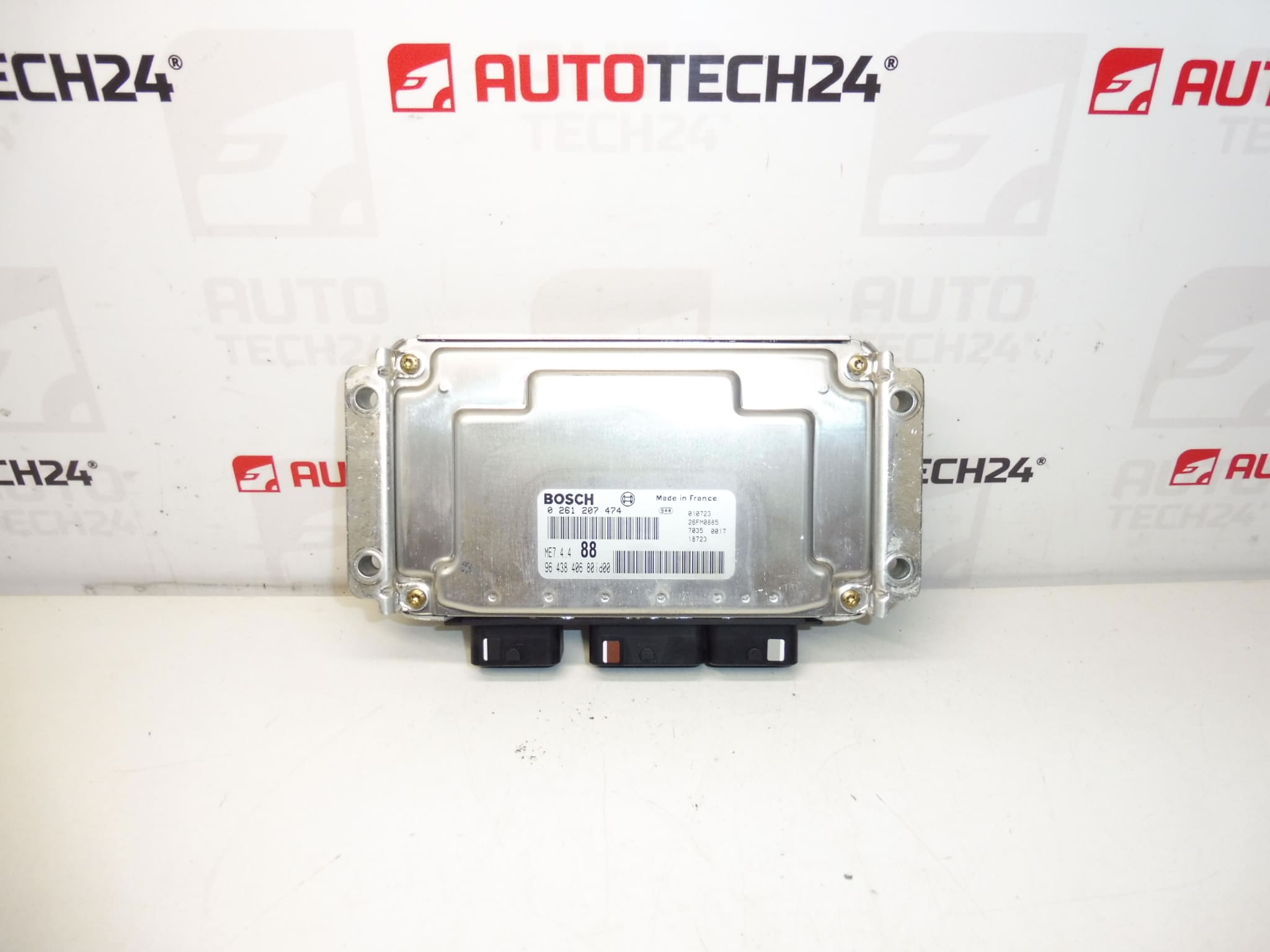
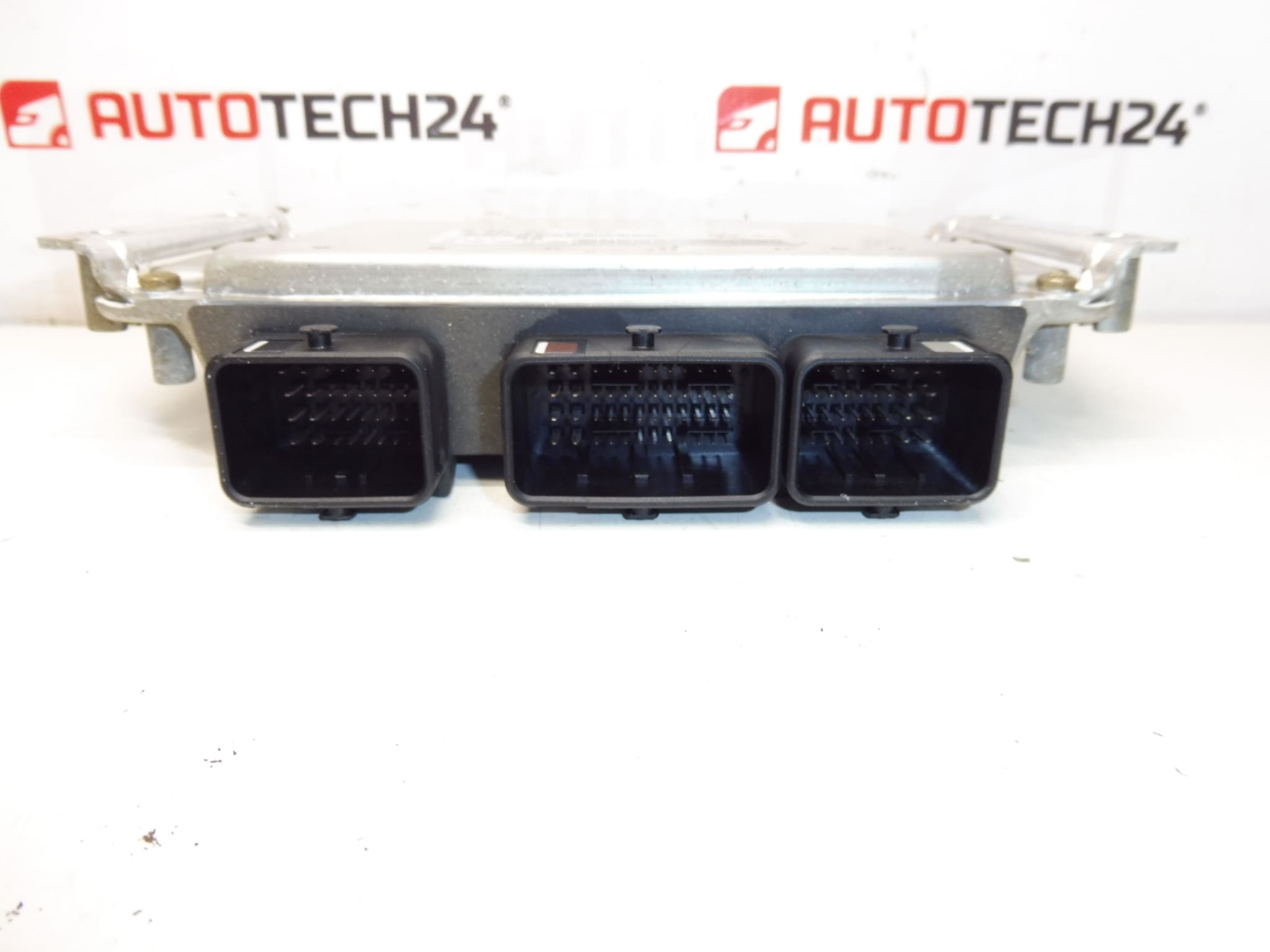
Engine Control Unit Bosch ME7.4.4 NFU. Fits Peugeot 307 1.6 16V NFU 80 kW.
Product Overview
This Bosch ME7.4.4 engine control unit (ECU) is designed for the Peugeot 307 1.6 16V with engine code NFU (80 kW). Supplied under references 0261207474 and 9643840680, this ECU manages core engine functions such as fuel injection timing, ignition, idle control and onboard diagnostics (OBD). It is a direct-fit replacement for vehicles equipped with the ME7.4.4 platform and is commonly searched by part numbers ME7.4.4, 0261207474 and 9643840680.
Why This Unit Matters
The ECU is the central element of modern engine management. It interprets sensor signals (airflow, throttle position, engine speed, temperature, oxygen sensors) and controls fuel injectors, ignition timing and other actuators to optimize performance, emissions and fuel economy. A faulty ECU can cause poor running, misfires, stalling, limp-home mode, increased fuel consumption or inability to start.
How Failures Typically Occur
- Moisture Ingress And Corrosion: Water or condensation reaching connectors or the housing can corrode pins and printed circuit traces.
- Thermal Stress And Solder Joint Fatigue: Heat cycles can create micro-cracks in solder joints, leading to intermittent or permanent failures.
- Electrical Surges Or Poor Grounding: Voltage spikes, jump-starting errors or bad earth connections can damage internal components.
- Connector Wear Or Bent Pins: Mechanical damage during service or vibration can cause poor contact and communication errors.
Replacement And Installation
Typical replacement steps for experienced mechanics or competent DIYers:
- Disconnect The Battery: Always isolate the negative battery terminal before starting to avoid electrical damage.
- Access The Unit: The ECU is mounted in the vehicle (engine bay area). Remove any protective covers or brackets that secure the module.
- Unplug Electrical Connectors: Carefully release connector locks and remove multi-pin plugs without forcing or bending pins.
- Remove Mounting Fasteners: Unscrew bolts securing the ECU, then lift the unit out with care.
- Fit The Replacement: Position the new ECU, torque bolts to manufacturer values if available, reconnect connectors and reapply any seals or covers.
- Reconnect Battery And Commission: After mechanical fitment, follow coding/initialization steps if required (see Coding Section).
Do not open the ECU housing or attempt internal repairs if you are not qualified; moisture protection and internal calibration can be compromised.
Installation And Coding – Important
- The Unit Is Used And May Be Paired With The Original Vehicle (VIN/PIN/Keys).
- Options To Commission The Unit:
- Cloning Data From The Old Unit (EEPROM/Flash) – After Cloning The Unit Is Plug-And-Play.
- Virginization And Subsequent Initialization/Telecoding Via DiagBox (Or Online) + Key Adaptation.
- Recommended To Be Performed By A Technician With PSA Service Equipment (DiagBox/Lexia/PP2000).
- Always Disconnect The Battery Before Removal/Installation And Follow Manufacturer Procedures To Avoid Damaging The Unit.
Technical Information
- Manufacturer: Bosch
- Model: Peugeot 307 1.6 16V NFU 80 kW
- Product Codes: 0261207474; 9643840680
- Other Numbers: 1942E4; 1940V8; 19420000; 261207474; ME7.4.4
Recommendations For Fitment
- Perform Installation In A Dry, Static-Free Environment.
- Check All Connector Pins For Corrosion Or Damage Before Reconnecting.
- Use Proper Diagnostic Tools To Confirm Software Version And To Clear Fault Codes After Fitment.
- If Cloning Is Performed, Ensure Complete EEPROM/Flash Transfer To Preserve Immobilizer And Engine Parameters.
Why You Should Choose This Unit
Replacement ECUs identified by OE numbers 0261207474 and 9643840680 are widely referenced in repair manuals and parts databases for Peugeot 307 NFU engines. Choosing the correct ME7.4.4 unit reduces troubleshooting time and restores engine control functionality quickly—important for workshops and DIY mechanics who need reliable, part-number-specific repairs.
Notes For Professionals
Searchable Keywords: Bosch ME7.4.4, 0261207474, 9643840680, Peugeot 307 NFU, ECU Replacement, Engine Control Unit. When ordering, match engine code NFU and part numbers to ensure compatibility.