Description
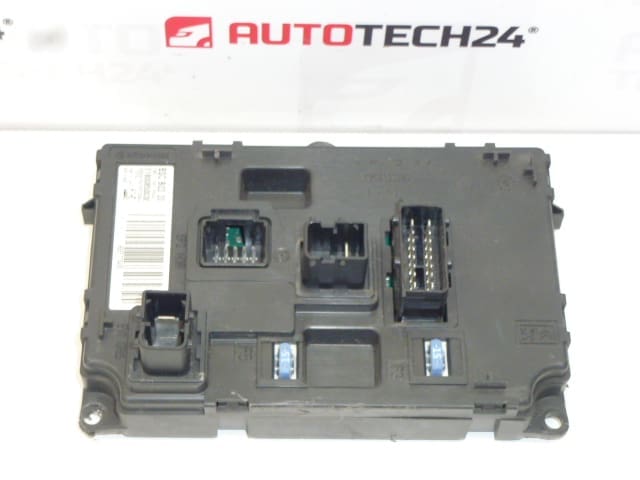
BSC B03-00 SIEMENS VDO CONTINENTAL Control Unit for Citroën and Peugeot Vehicles
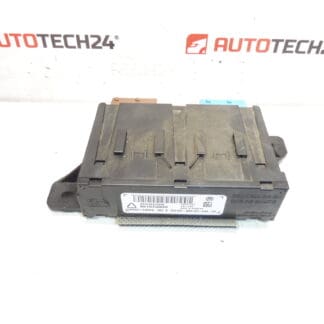
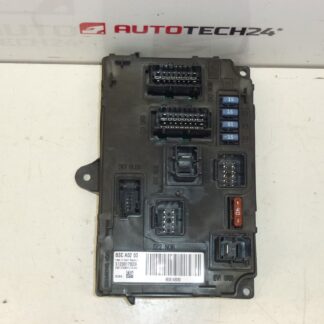
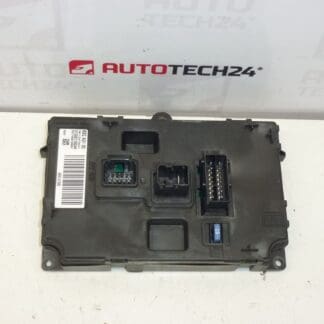
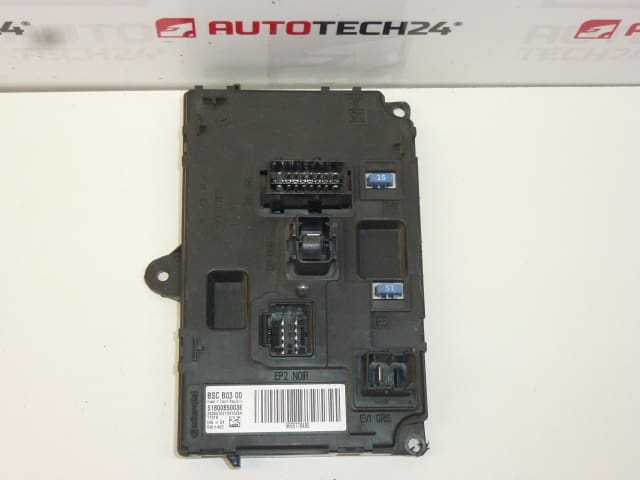
This BSC B03-00 control unit (OE references include 9665778480, S180085003 / S180085003E / S180085003F, 9688EL) is a vehicle body electronic module used on a range of Citroën and Peugeot models. Designed for professional workshops and experienced DIY mechanics, the unit manages multiple body and convenience functions and is a common replacement item on C4 Picasso, C5 X7, 207, 3008 I, 307, 308 and 5008 I platforms. If your vehicle shows intermittent electrical faults, central locking issues, or erratic accessory behaviour, this module is one of the components to inspect and, if necessary, replace.
Function And Symptoms
The BSC (Body System Controller) handles body-related electronics such as interior lighting logic, central locking signals, some comfort and signal distribution tasks (depending on vehicle configuration). Typical symptoms of a failing unit include random central locking operation, non‑working interior lights, blown fuses related to body circuits, failures of door or boot opening circuits and intermittent communication errors on the vehicle network (CAN bus).
How The Unit Is Replaced
Replacement is straightforward for an experienced technician but requires care. Typical steps:
- Disconnect the negative battery terminal before starting to avoid short circuits and data corruption.
- Locate the module (often behind the glovebox, under the dashboard or in a body electronics bay depending on model).
- Remove trim panels as required to access mounting screws and connectors.
- Carefully release electrical connectors, inspect connector pins and housing for corrosion or damage.
- Fit the new unit, secure with original fasteners and reconnect connectors ensuring firm engagement.
- Reconnect the battery and verify basic functions. Some vehicles may require diagnostic checks or coding to restore full functionality.
Technical Information
- Manufacturer: Siemens VDO / Continental
- Model: BSC B03-00
- Product Codes: 9665778480; S180085003; S180085003E; S180085003F
- Additional Numbers: 9688EL; B03-00
- Compatible Models: Citroën C4 Picasso; Citroën C5 X7; Peugeot 207; Peugeot 3008 I; Peugeot 307; Peugeot 308; Peugeot 5008 I
Mounting Recommendations
- Always disconnect the battery before removal and installation to protect the module and vehicle electronics.
- Protect exposed connector pins from contamination; clean and dry connectors before reconnection.
- Use anti‑corrosion dielectric grease on connector pins if vehicle is exposed to moisture or coastal environments.
- Ensure correct seating and secure mounting to prevent vibration-induced failures.
- After fitment, verify all affected functions and check for stored fault codes with appropriate diagnostic equipment.
Why The Part Most Often Fails
- Water Ingress And Corrosion: Moisture entering via damaged seals or routed wiring can corrode contacts and circuit boards.
- Electrical Surges Or Short Circuits: Faulty accessories, jump‑starting errors or battery faults can damage internal electronics.
- Aging And Thermal Stress: Repeated heating/cooling cycles and long service life can cause solder joints or components to fail.
- Poor Connector Contact: Loose or oxidised connectors cause intermittent signals and accelerated wear.
Note For Professionals
This unit is commonly searched by reference numbers (e.g. 9665778480 / S180085003 / 9688EL). Always verify physical appearance and connector layout against the original module before installation. After replacement, perform a full function check and clear any diagnostic codes. For modules that require programming or adaptation on certain vehicles, use the correct manufacturer or compatible diagnostic tools to ensure proper operation.