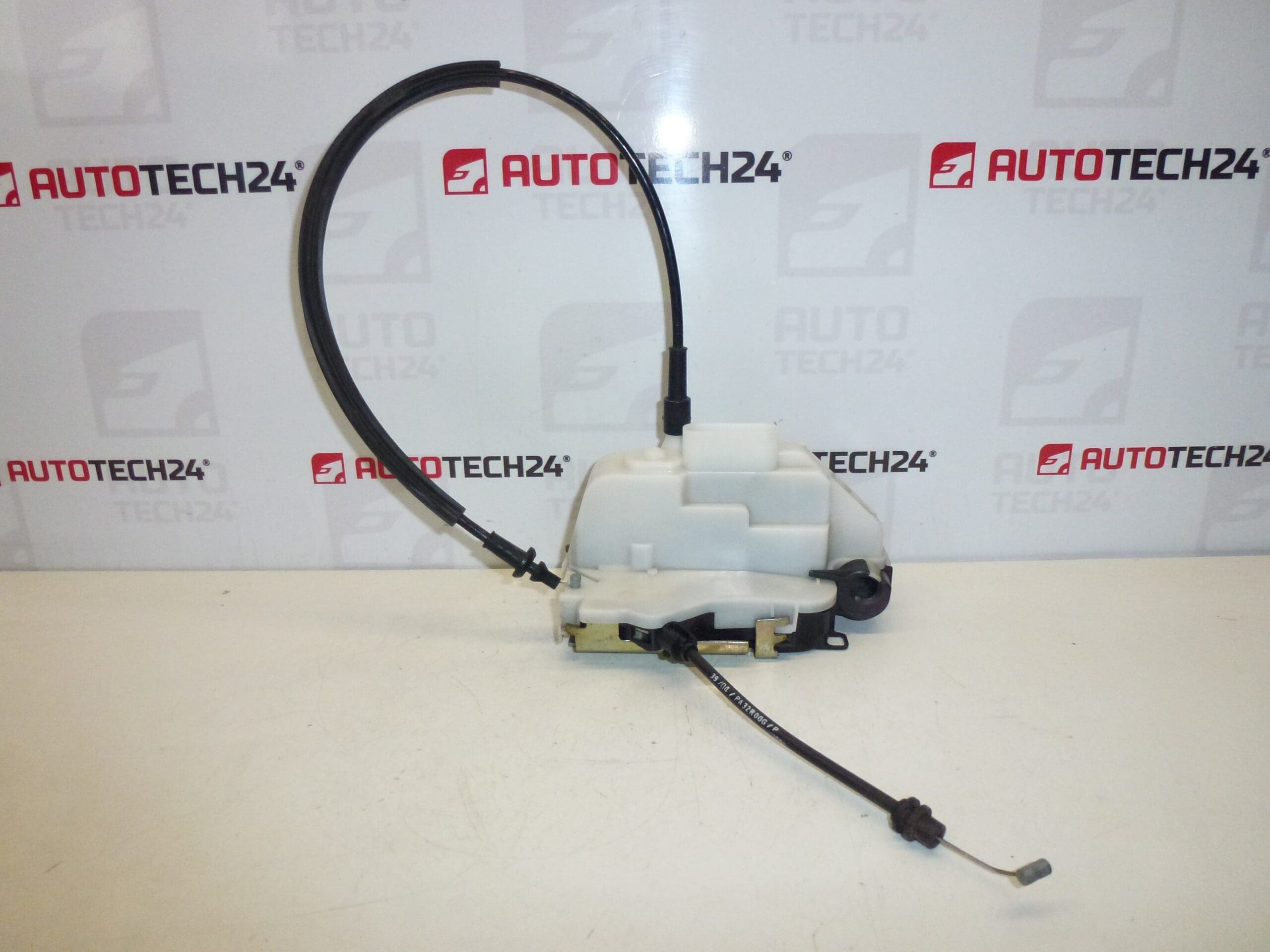
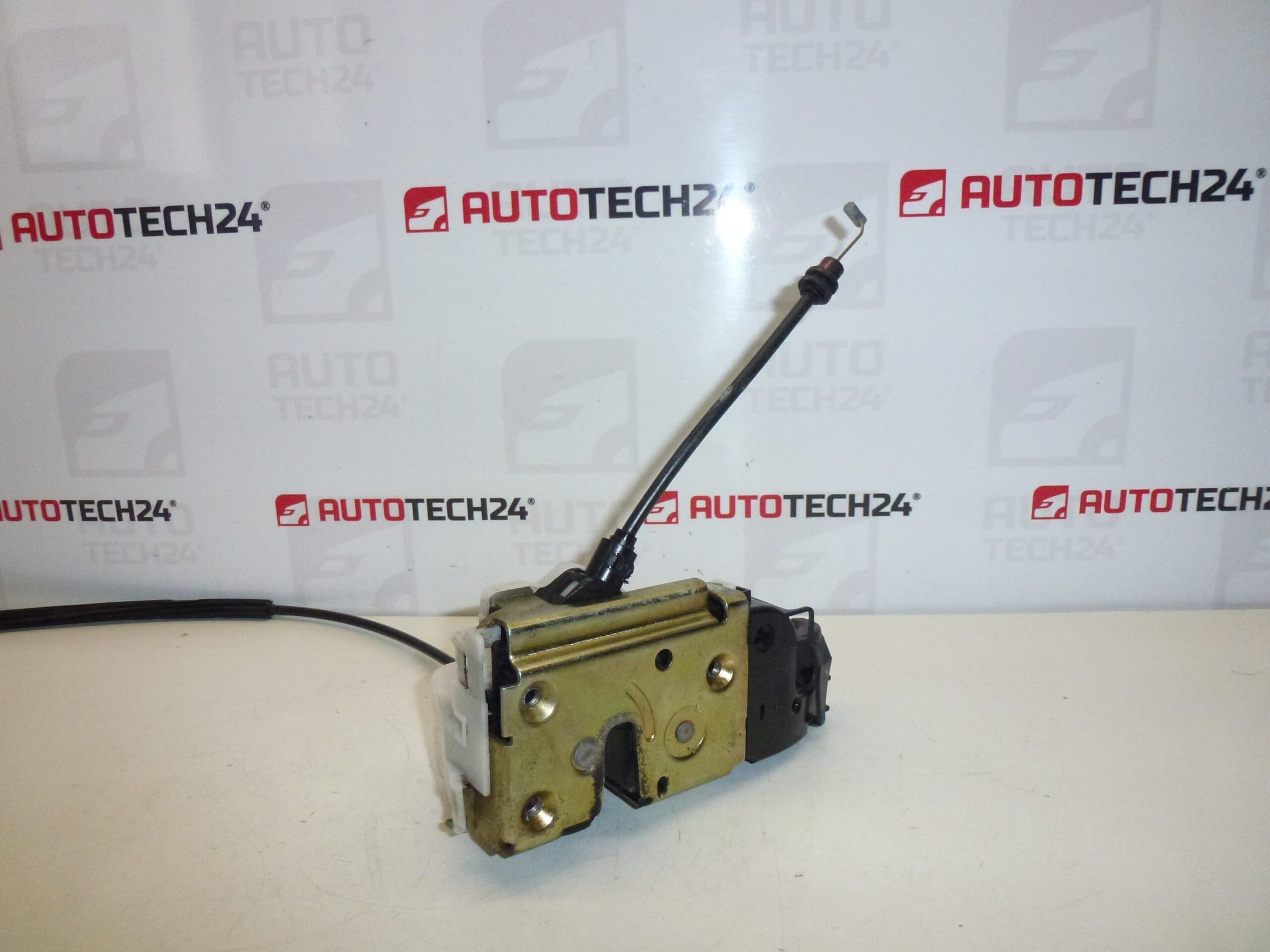
Description
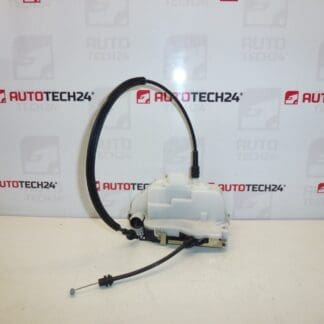
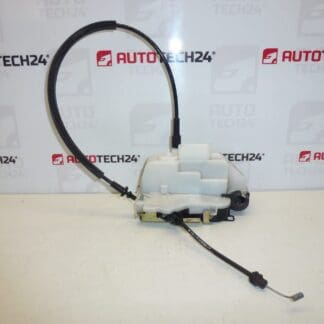
Electric central locking lock for left front door CITROËN C3. Driver’s Door. 5 Pins.
Product Overview
This replacement door lock actuator is designed for the left front (driver’s) door of the Citroën C3. It operates the central locking mechanism and restores reliable locking and unlocking through the vehicle’s central locking system. Ideal for professional workshops and experienced DIY enthusiasts, the unit fits vehicles using the 5-pin electrical connector and is frequently searched by its part numbers.
Key Features
- Direct-fit replacement for the left front door lock on Citroën C3 models using a 5-pin connector.
- Restores central locking function, mechanical latch operation and door securing.
- Compact actuator with integrated electrical connector for straightforward installation.
- Commonly referenced by product codes 46982980 and 9135N0.
Technical Information
- Manufacturer: Citroën (Stellantis)
- Model: Citroën C3 — Left Front Door (Driver’s Door)
- Product Codes: 46982980, 9135N0
- Additional Numbers: 9135.N0
- Electrical Connector: 5-Pin
Installation Recommendations
Recommended for installation by experienced technicians or competent DIYers with basic door trim removal skills. Typical replacement steps:
- Disconnect the negative battery terminal before starting to prevent short circuits and accidental activation.
- Remove the inner door trim panel and any trim clips to expose the lock mechanism and wiring harness.
- Carefully peel back the moisture barrier to access the actuator; keep the barrier clean to ensure a good seal on reassembly.
- Unplug the 5-pin electrical connector and detach any linkage rods or cables connected to the lock. Note rod positions and retainers for correct reassembly.
- Remove the fixing screws or bolts securing the lock assembly, withdraw the old unit and fit the new lock in the same orientation.
- Reconnect linkages and the electrical connector, test locking/unlocking using the key fob and interior switch before refitting the moisture barrier and door trim.
- Use light lubricant on moving pivot points if required and ensure all fasteners are tightened to manufacturer torque settings.
Why The Part Usually Fails
- Water Ingress: Moisture entering the door cavity can corrode electrical contacts or damage the actuator motor and gears.
- Wear And Tear: Plastic gears and internal components wear out over time, especially on high-mileage vehicles.
- Mechanical Damage: Broken linkage clips or bent rods can overload the actuator or prevent proper engagement.
- Electrical Faults: Connector corrosion, broken wires or intermittent contacts can cause loss of function.
Practical Tips
- Always test the new lock’s electrical function and mechanical operation before refitting the door trim to avoid repeated disassembly.
- If the locking mechanism is sluggish, inspect and lubricate the latch and linkage; seized latches can overload new actuators.
- Keep the door interior dry and ensure the moisture barrier is resealed correctly to prolong service life.