Description
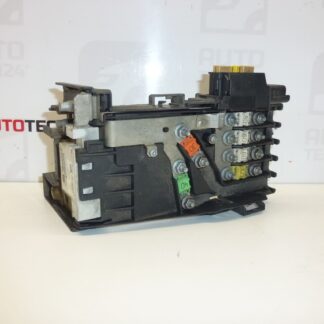
BSM B5 Siemens for Citroën and Peugeot vehicles.
The BSM B5 (Body System Module) from Siemens / Continental is a central electrical unit used in numerous Citroën and Peugeot models. It combines fuses, relays and electronic control to manage body functions such as lighting, wipers, central locking, power sockets and some engine-related signals. This replacement unit is often searched for by its part numbers and reference codes, so we list the most common identifiers below for quick matching. Suitable For Professional Mechanics And DIY Enthusiasts, The Unit Provides Reliable Power Distribution And Control When Installed Correctly.
Technical Information
- Manufacturer: Siemens / Continental (OEM For Stellantis)
- Model: BSM B5
- Product Codes: 9650618280-00; 9650618280; 9643498680-00; T118470005; 6500Y3; 6500Y1
- Additional Numbers: T118470005 K; Stellantis References
Compatibility
Commonly Fitted To The Following Models:
- Citroën Berlingo
- Citroën C3
- Citroën C5
- Citroën Xsara
- Citroën Xsara Picasso
- Peugeot 206
- Peugeot 307
- Peugeot Partner
Function And Typical Failures
The BSM Acts As A Central Fuse And Relay Box With Integrated Electronic Control For Numerous Body Functions. It Distributes Power, Controls Lighting Circuits, Manages Wiper And Washer Outputs, Central Locking And Several Convenience Features. Common Failure Modes Include:
- Corrosion From Moisture Ingress Causing Short Circuits Or Poor Contacts
- Thermal Stress And Solder Joint Cracking Due To Repeated Heating/Cooling Cycles
- Damaged Relays Or Blown Internal Fuses After Electrical Overload
- Connector Oxidation Or Bent Pins Resulting In Intermittent Faults
There Is No Fixed Replacement Interval. Failures Are More Likely On Older Or High-Mileage Vehicles And In Cars Exposed To Moisture, Road Salt Or Poor Underbonnet Sealing.
Replacement And Installation
Basic Replacement Steps (High-Level):
- Disconnect The Battery Before Starting To Avoid Short Circuits And Protect Sensitive Electronics.
- Locate The BSM Unit (Usually In The Engine Bay Or Under Dashboard Depending On Model) And Remove Any Protective Covers.
- Unplug All Wiring Harnesses Carefully, Releasing Retaining Clips Without Pulling On Wires.
- Unscrew The Mounting Fasteners And Remove The Old Unit.
- Fit The New Unit In Place, Secure Fasteners And Reconnect All Connectors Ensuring Clean, Firm Contact.
- Reconnect The Battery And Verify All Functions (Lights, Wipers, Central Locking, Fuses, Relays).
Notes On Commissioning: In The Majority Of Cases The Replacement Unit Is Plug-And-Play For Basic Power And Relay Functions. However, Some Vehicles May Require Adaptation Or Configuration Of Certain Convenience Features After Replacement. Use Quality Tools, Inspect Connectors And Wiring Looms For Damage, And Replace Any Corroded Fuses Or Relays During Installation.
Installation Recommendations
- Always Disconnect The Negative Battery Terminal Before Removal And Reconnection.
- Work In A Dry, Clean Environment To Prevent Contamination Of Connectors.
- Inspect And Clean Connector Pins; Apply Contact Protectant If Appropriate.
- Replace Any Weak Or Corroded Fuses And Relays When Installing A New BSM.
- Ensure Sealing And Grommets Are Intact To Prevent Future Moisture Ingress.
- If Electrical Faults Persist After Installation, Check Wiring Harnesses, Ground Points And Associated Sensors.
Why This Part Most Often Fails
Environmental Exposure (Moisture And Road Salt) Leading To Corrosion Is The Most Frequent Cause Of BSM Failure. Thermal Cycling And Electrical Overloads Can Accelerate Degradation Of Solder Joints And Internal Components. Poor Connector Contact Or Damaged Wiring Can Also Lead To Intermittent Or Permanent Malfunctions.
Additional Advice For Professionals
Keep Replacement Units Dry During Storage And Handling. When Troubleshooting, Use A Methodical Approach: Visual Inspection, Power And Ground Checks, Then Signal Tests. Replacing The BSM Without Addressing The Root Cause (Such As A Short Circuit) Can Lead To Recurrence.