Description
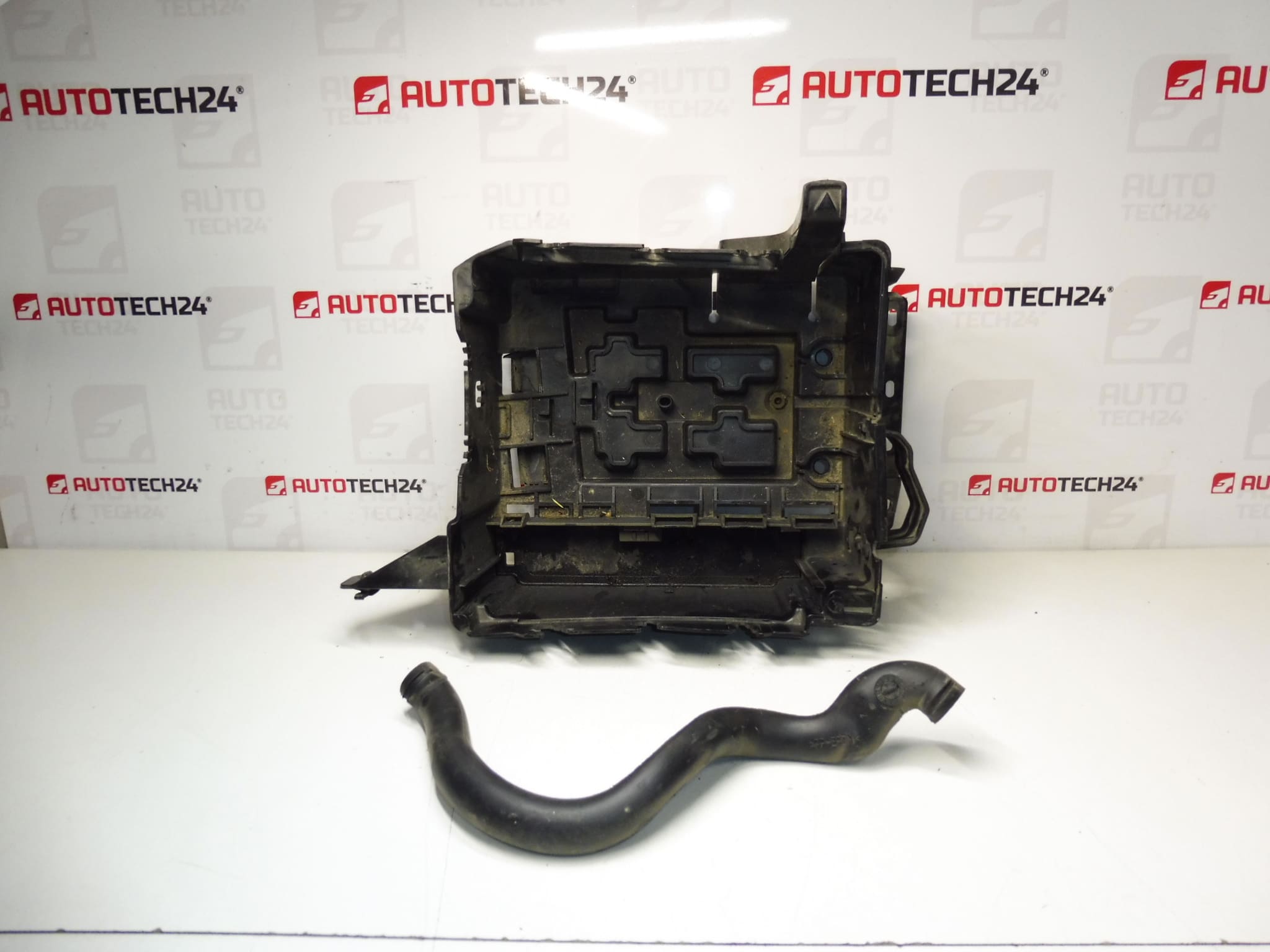
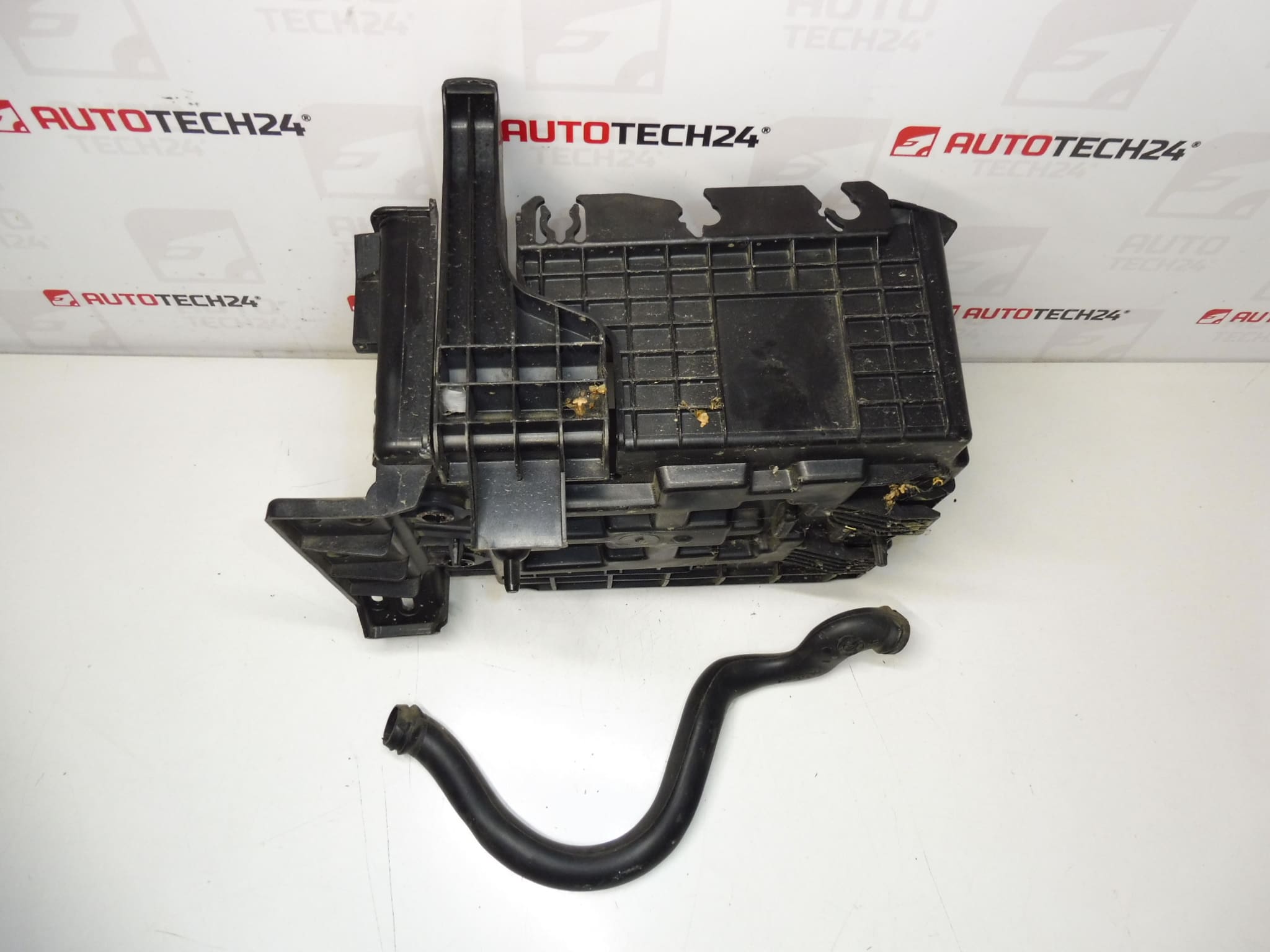
Holder, battery box for CITROEN and PEUGEOT cars
Part description
The battery case (battery holder) with product numbers 9655321380 and 6545Y1 is designed to secure the battery in the engine compartment and protect its surroundings from vibrations and displacement. In used Citroën/Peugeot cars, this part is often searched by number – if you are dealing with cracks, broken handles or a missing part of the battery storage, replacing the battery box is a quick and clean solution.
Suitable for mechanics and home repairs – during assembly, the key is mainly correct seating and undamaged handles, so that the battery is held firmly and the cabling is not stretched.
Technical information
- Manufacturer: Stellantis
- Model: Citroën C3 Picasso; Peugeot 207
- Other numbers: 6545Y1
Product codes
- Product codes: 9655321380, 6545Y1
Installation recommendations
Generally/typically for the battery box (holder) it is a mechanical part held in place by screws/mounts and the exact steps may vary depending on the specific model and design of the car.
1) Before assembly
- Compare the new and original part: the shape of the cabinet, the location and number of handles, seating surfaces, any cable/hose holders.
- Check the condition of the used part: cracks, deformation, broken threads/mounts and damage where the battery rests.
- Check around the battery: whether there are damaged cables, lugs/clamps or loose bundles (often secondary to a cracked holder).
2) Necessary tools and materials
- Basic set of ratchets and extensions / keys (according to the type of attachment)
- Screwdrivers, possibly pliers for buckles/clips
- Cleaning agent and cloth for cleaning the contact surfaces
- Protective gloves and goggles
3) Step-by-step assembly procedure
- Turn off the ignition and secure the vehicle against movement.
- Disconnect the battery (typically minus pole first, then plus pole) and release any clips/clamps that hold the battery.
- Remove the battery carefully – pay attention to the wiring and surrounding parts.
- Disconnect or loosen any wiring/harness clips that may be attached to the battery case.
- Loosen the cabinet fasteners (screws/clips) and remove the cabinet.
- Clean the seating surface and check that there is no corrosion or dirt in the seating area that would prevent proper seating.
- Place the new battery case in the correct position and check that it fits on all mounting points.
- Install and tighten the cabinet fasteners.
- Put the wiring/harness clips back so that nothing is under tension or in contact with a sharp edge.
- Insert the battery in the case, check its stability and mount the battery holder (pressure clip/bar according to design).
- Connect the battery (typically first the plus pole, then the minus pole).
- Check that the battery is firmly seated, the cables are routed securely and are not rubbing anywhere.
-
4) Post-assembly checks and test drive/function verification
- Check that the battery is securely attached – it must not move sideways or “jump”.
- Check that nothing is touching the poles when the hood is closed and that the cables are not under tension.
- After starting, check that there are no power outages and that everything is mechanically stable even during a short test drive over bumps.
5) The most common assembly mistakes + how to avoid them
- Swapping or misfitting the cabinet → always check the alignment of all fasteners before tightening.
- Insufficient battery fixing → always return the pressure holder/clip; a loose battery destroys both the cabinet and the wiring.
- Pinched or chafed cables → guide the bundles into the original clamps and away from sharp edges.
- Contaminated bearing surface → dirt will cause poor seating and subsequent cracking of the handles.
Reasons why the part is damaged
- Vibrations and shocks from driving – especially when the battery is not tightened properly.
- Plastic cracking due to age and thermal stress in the engine compartment.
- Incompetent handling when changing the battery (prying, pulling the attachment, tearing off the attachment).
- Contact with chemicals (e.g. impurities and electrolyte residues) and subsequent embrittlement of the material.
- Secondary damage after an accident or after an impact in the vicinity of the storage of the battery.