Description
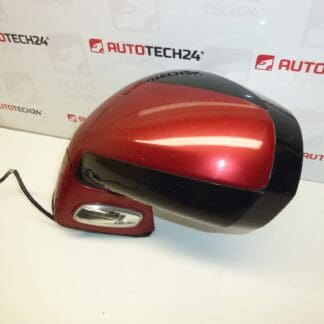
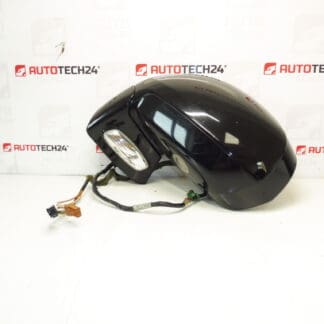
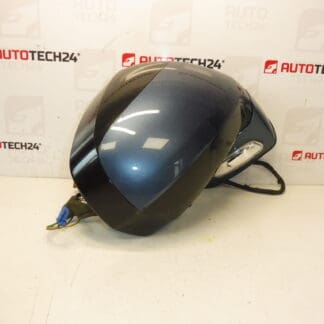
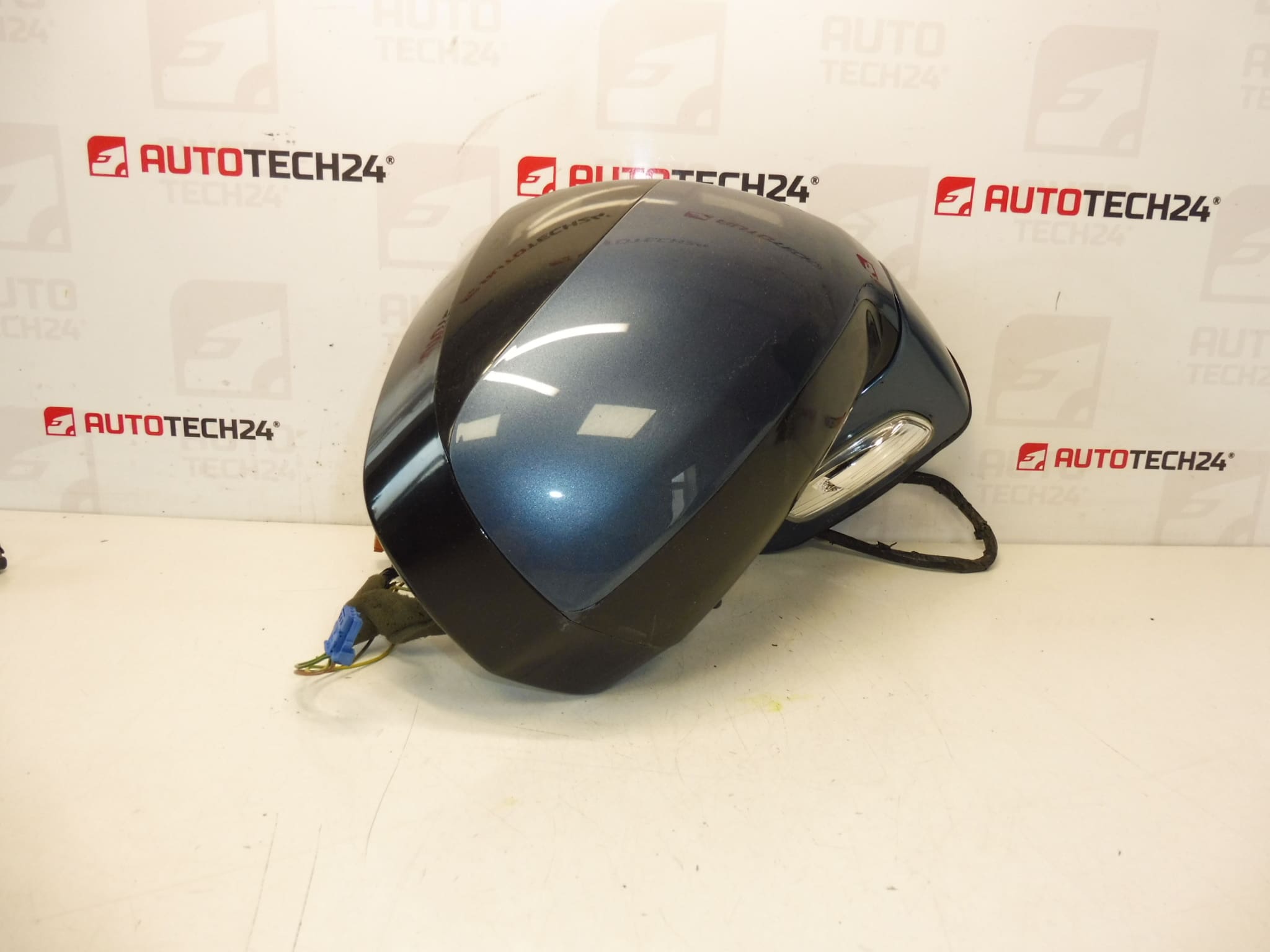
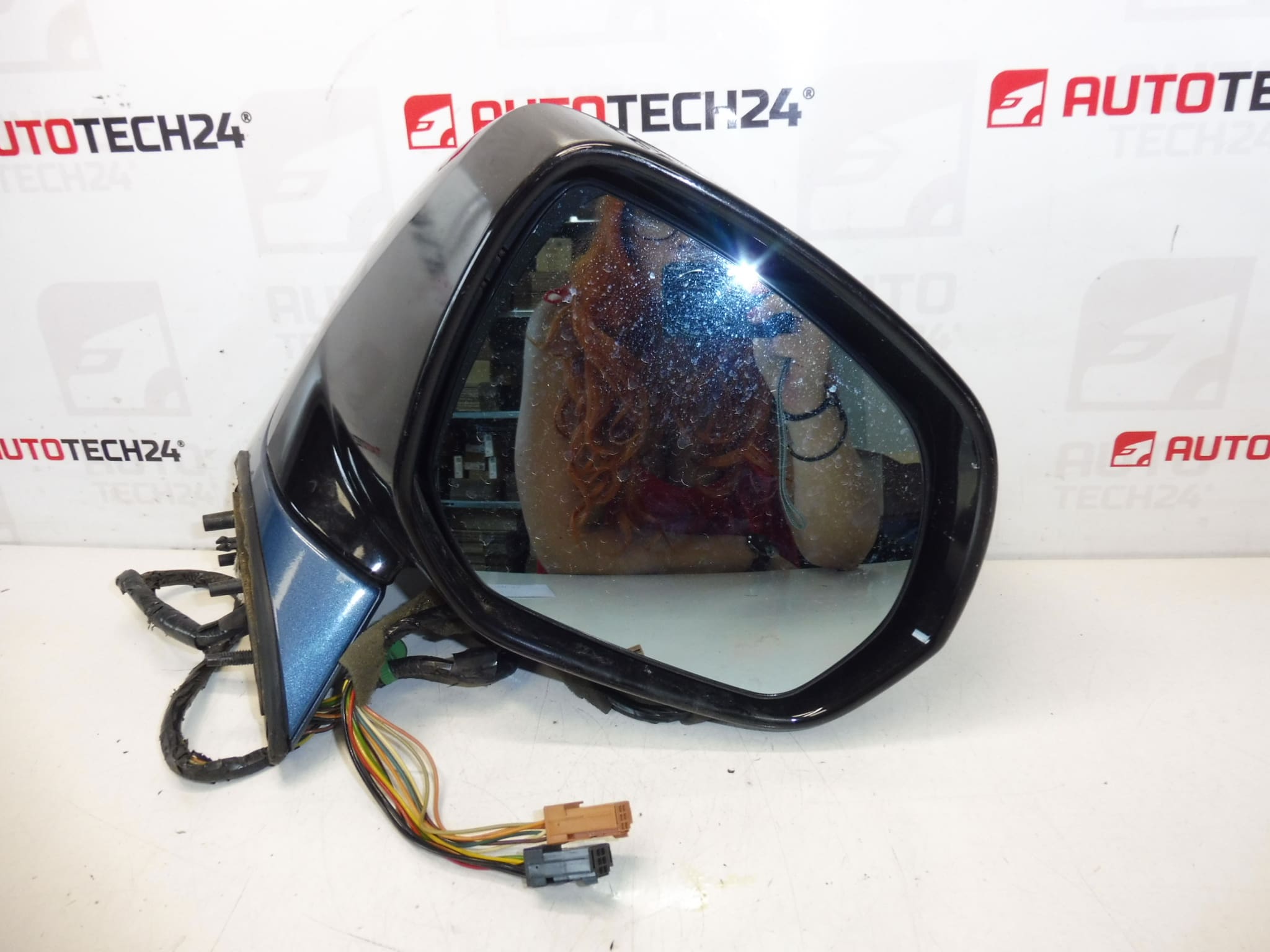
Right Side Exterior Mirror For Citroën C4 Picasso And Grand Picasso. Electrically Adjustable, Heated, Puddle Light, Temperature Sensor. Passenger Side. 15-Pin Connector (6+6+3). Color KGQ – Kyanos Blue.
Product Overview
This used right side mirror (passenger side) is a direct-fit replacement for Citroën C4 Picasso and Grand Picasso models. Designed to restore full functionality including electric adjustment, integrated heater, approach/puddle light and built-in temperature sensor. Ideal for professional mechanics and competent DIY enthusiasts who search by part number — compatible references include 96851525XY and 8153VR. The KGQ Kyanos Blue finish matches original exterior trim for a factory appearance.
Technical Information
- Manufacturer: Stellantis / Citroën
- Model: Citroën C4 Picasso, Grand Picasso
- Product Codes: 96851525XY, 8153VR
- Other Numbers: KGQC, NFP, 15-Pin (6+6+3)
Mounting Recommendations
Follow these practical steps to replace the mirror safely and efficiently:
- Fold the mirror and remove the interior triangular trim or door mirror cover to access the mounting nuts.
- Carefully disconnect the 15-pin connector. Observe connector orientation and pin grouping (6+6+3) to avoid damage.
- Support the mirror from the outside while removing the mounting nuts to prevent it from dropping.
- Remove the mirror assembly and transfer any required components (e.g., mirror glass or puddle light lens) if not supplied fitted.
- Fit the replacement mirror, reconnect the electrical connector, and loosely install mounting nuts. Test all functions (adjustment, heating, puddle light, temperature sensor signals) before final tightening and refitting the trim.
- Check for secure seating of the gasket to prevent water ingress. If connector pins show corrosion, clean contacts and apply suitable dielectric grease.
Why The Part Most Commonly Fails
Side mirrors typically fail due to mechanical damage from impacts (parking knocks, road debris) and progressive wear of the electric actuator. Water ingress through damaged seals or scratched housings can corrode connector pins and the heater element, causing intermittent or total loss of function. Puddle lights and wiring harnesses are vulnerable to chafing at the door hinge area. Temperature sensors may fail electrically or give inaccurate readings if exposed to moisture or internal corrosion.
Practical Tips
- Always test electrical functions before final assembly to avoid repeated disassembly.
- If replacing after an impact, inspect the door mounting studs and gasket for deformation or cracks.
- When reinstalling, ensure the mirror housing sits flush and seals are intact to extend service life.
Compatibility Keywords For Search
Right Side Mirror, Passenger Mirror, Citroën C4 Picasso Mirror, Grand Picasso Side Mirror, Heated Mirror, Electric Mirror, 96851525XY, 8153VR, KGQ Kyanos Blue, 15-Pin Mirror.