Description
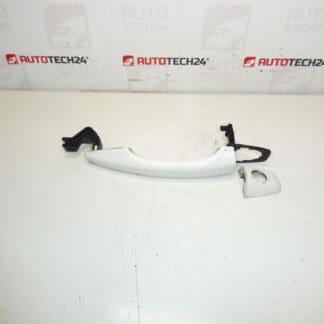
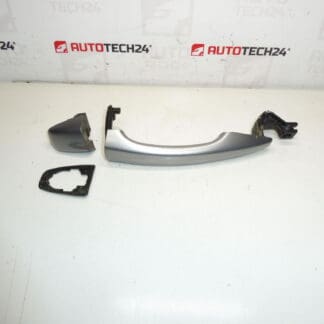
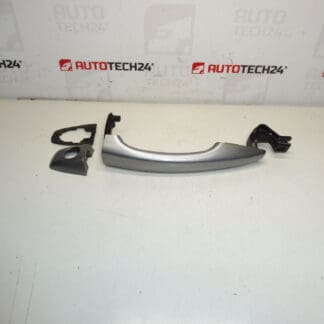
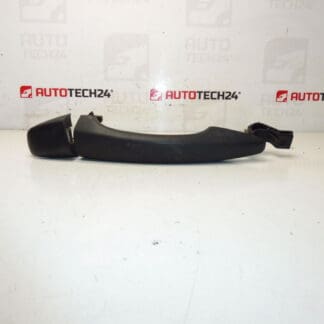
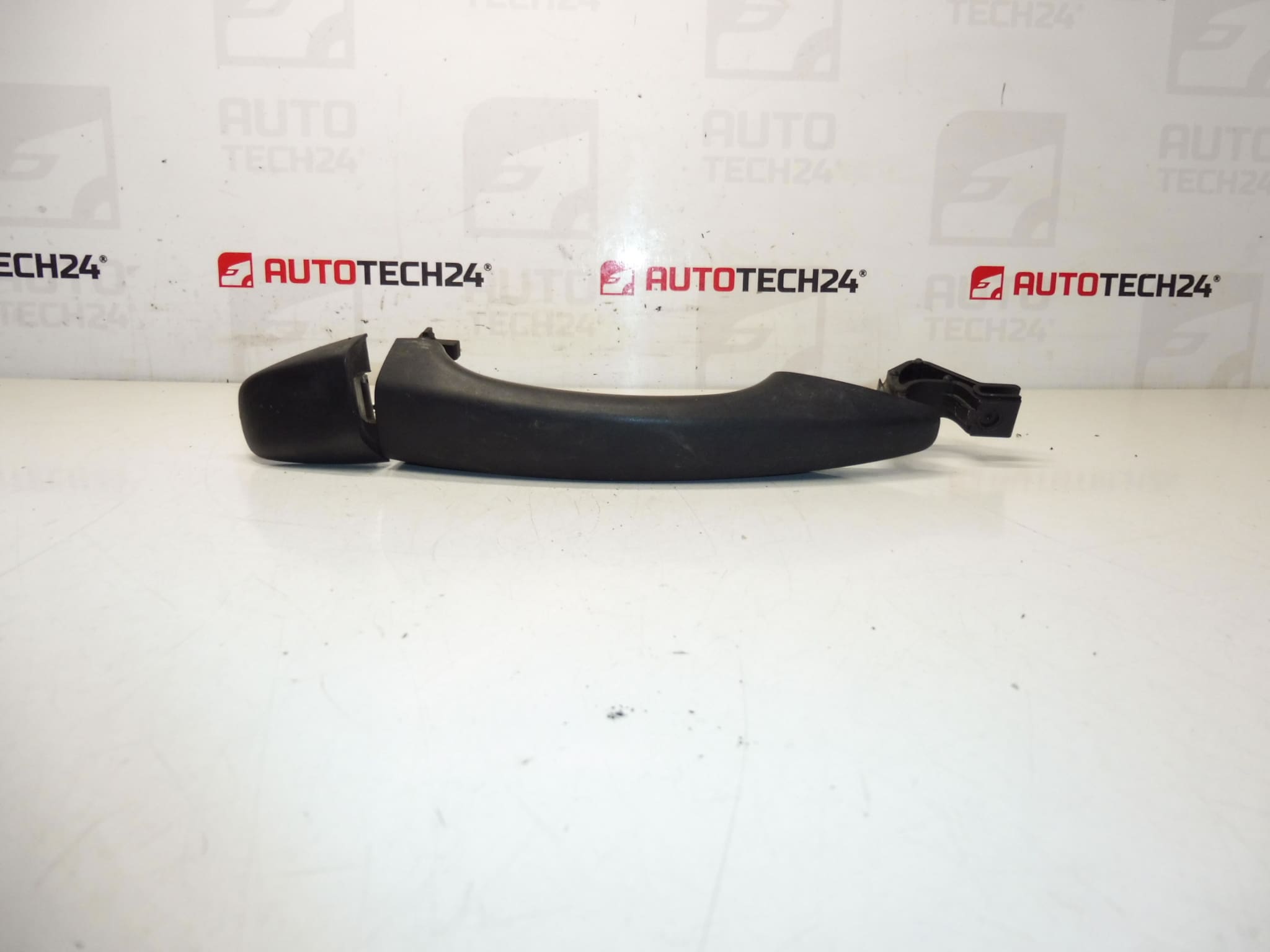
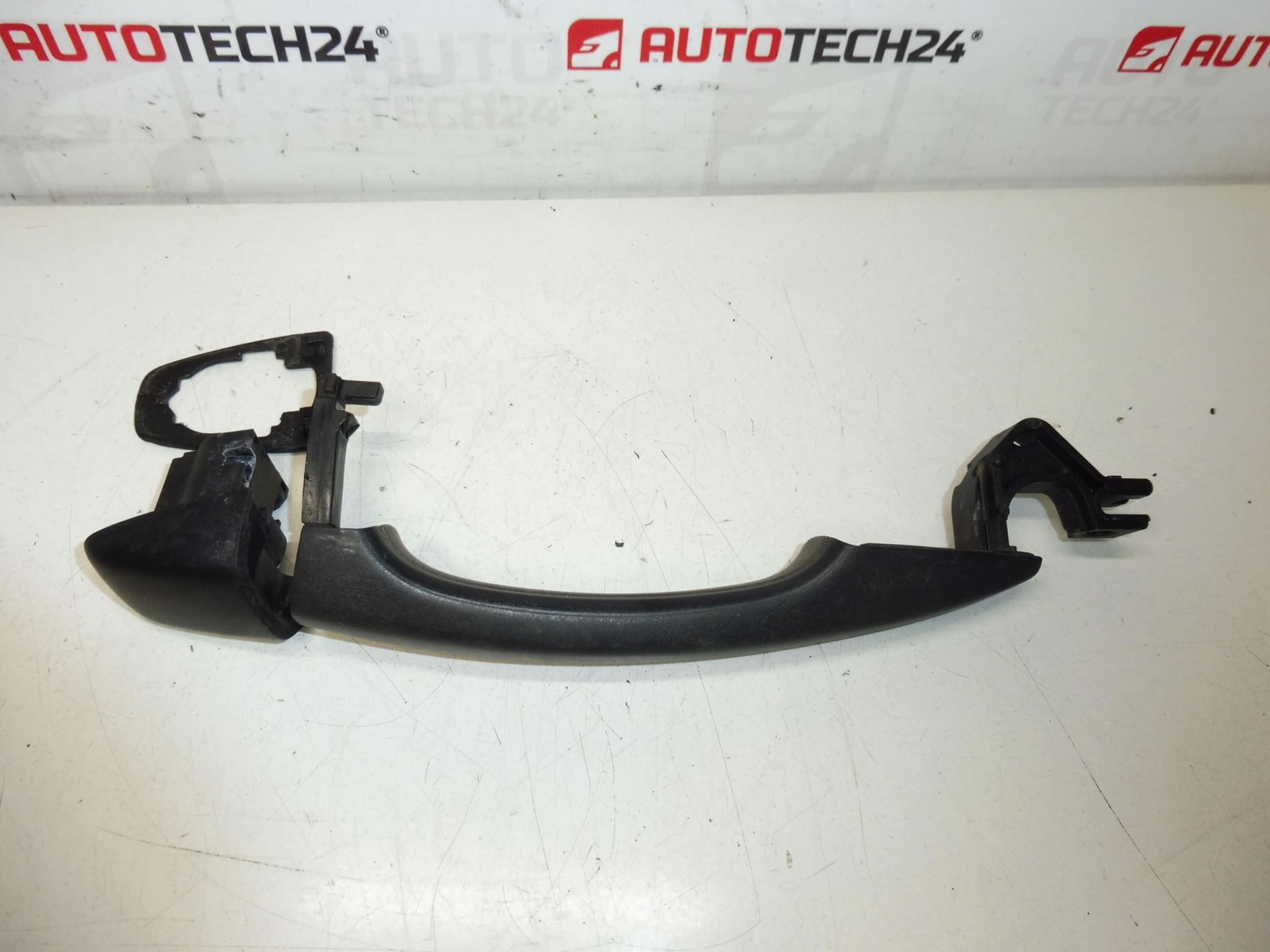
Right front and rear right and left door handle for CITROEN C4 II B7, C-Elysée, DS4, Peugeot 301 cars
Color FXT – BLACK CORNELIA
Part description
The used external door handle intended for Citroën and Peugeot cars is a suitable choice for repairing a damaged or non-functional original part. Due to the identical product numbers, this part is often sought as a replacement when replacing a cracked, scuffed or mechanically worn crank.
This is a part in the FXT – BLACK CORNELIE design, which is especially important when preserving the original appearance of the car without the need for further modifications. A practical advantage is the use for multiple door positions as described, which can facilitate the choice when repairing the body.
Technical information
- Manufacturer: Stellantis Citroën Peugeot
- Model: Citroën C4 II B7, C-Elysée, DS4, Peugeot 301
- Other numbers: 9101LY, 96868965XT
Product codes
- Product codes: 9101LY, 96868965XT
- Models from labels: Citroen C-Elysée, Citroen C4 II, DS4, Peugeot 301
Installation recommendations
In general, the exact replacement procedure may vary depending on the specific car model and door design, but for this type of part it is advisable to proceed as follows.
1) Before assembly
- Check that the handle shape, mounting, color and product numbers match the old part.
- Inspect the used part for cracks, excessive wear or damaged mounting points.
- Compare the mechanical parts of the handle with the old piece, especially the movement and condition of the control mechanism.
2) Necessary tools and materials
- Basic set of hand tools
- Screwdrivers and suitable attachments
- Plastic pry bar for panel removal
- Detergent and clean cloth
- Or fine lubricant for moving parts
3) Step-by-step assembly procedure
- Secure the vehicle against movement and open the appropriate door.
- Remove the interior door trim if necessary to access the handle mechanism.
- Carefully loosen the cover elements and fasteners of the old handle.
- Disconnect or loosen the mechanical linkage of the handle to the internal lock mechanism, if present.
- Remove the original handle without using excessive force to avoid damaging the surrounding paintwork or attachment.
- Clean the seating surfaces and check the condition of the surrounding parts of the mechanism.
- Compare the old and new part side by side, especially the mounting points and control parts.
- Place the new crank in place and align it correctly to the mounting position.
- Reattach the control mechanism and fix the handle in the original way.
- Before complete assembly, test the operation of the handle several times and the smoothness of the control.
- Reinstall the removed covers and door trim.
- Do a final check on the fit and appearance of the part.
-
4) Post-assembly checks and functional test verification
- Verify that the crank operates smoothly without rubbing or excessive play.
- Check the correct operation of the door opening and closing.
- Make sure that the part fits correctly and there are no gaps or inaccuracies in the seating.
- Check for unusual noises or resistance during use.
5) The most common assembly mistakes + how to avoid them
- Part replacement – always compare product numbers and designs before assembly.
- Damage to the attachment – proceed with care during disassembly and assembly and do not use brute force.
- Incorrect connection of the mechanism – before the final assembly, verify the correct function of the handle with several tests.
- Assembly on a dirty seating surface – before fitting the part, clean the surface so that the handle fits properly.
Reasons why the part is damaged
- normal mechanical wear during frequent use of the door,
- cracking or deformation after careless handling,
- damage during a parking incident or contact with an obstacle,
- wear of the surface finish due to weather and washing,
- increased stress with a stiff or poorly functioning door mechanism.