Description
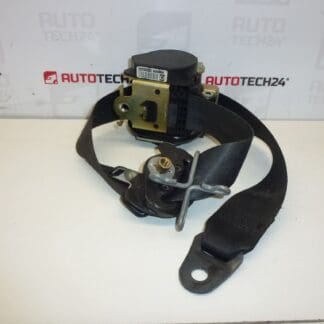
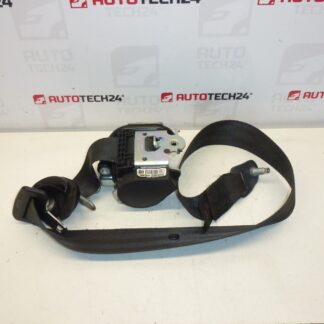
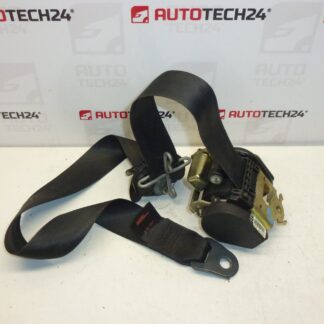
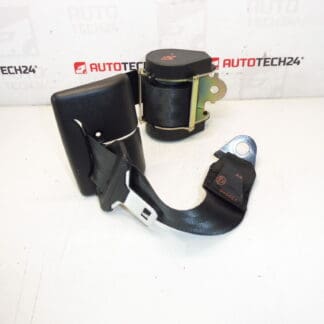
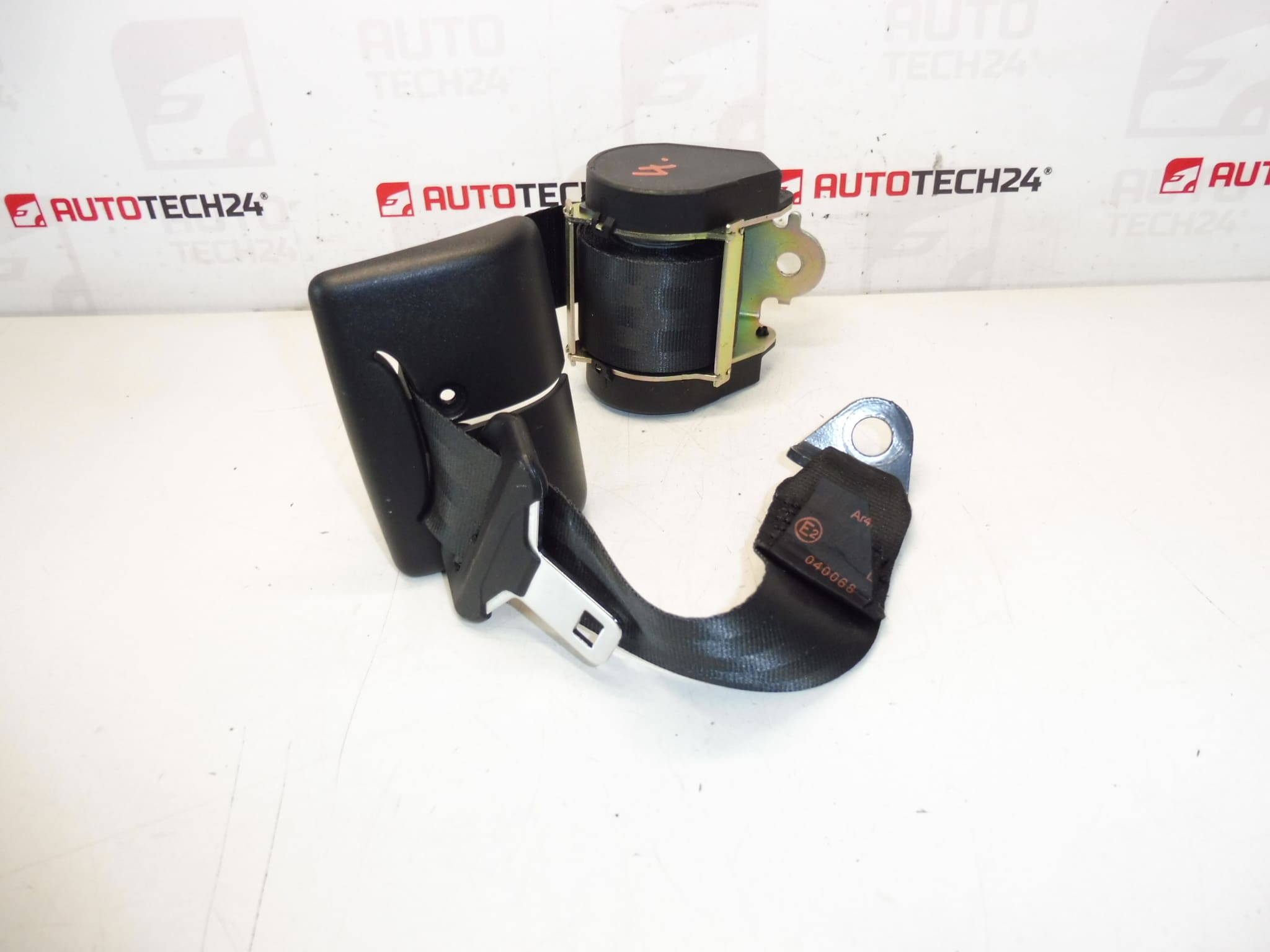
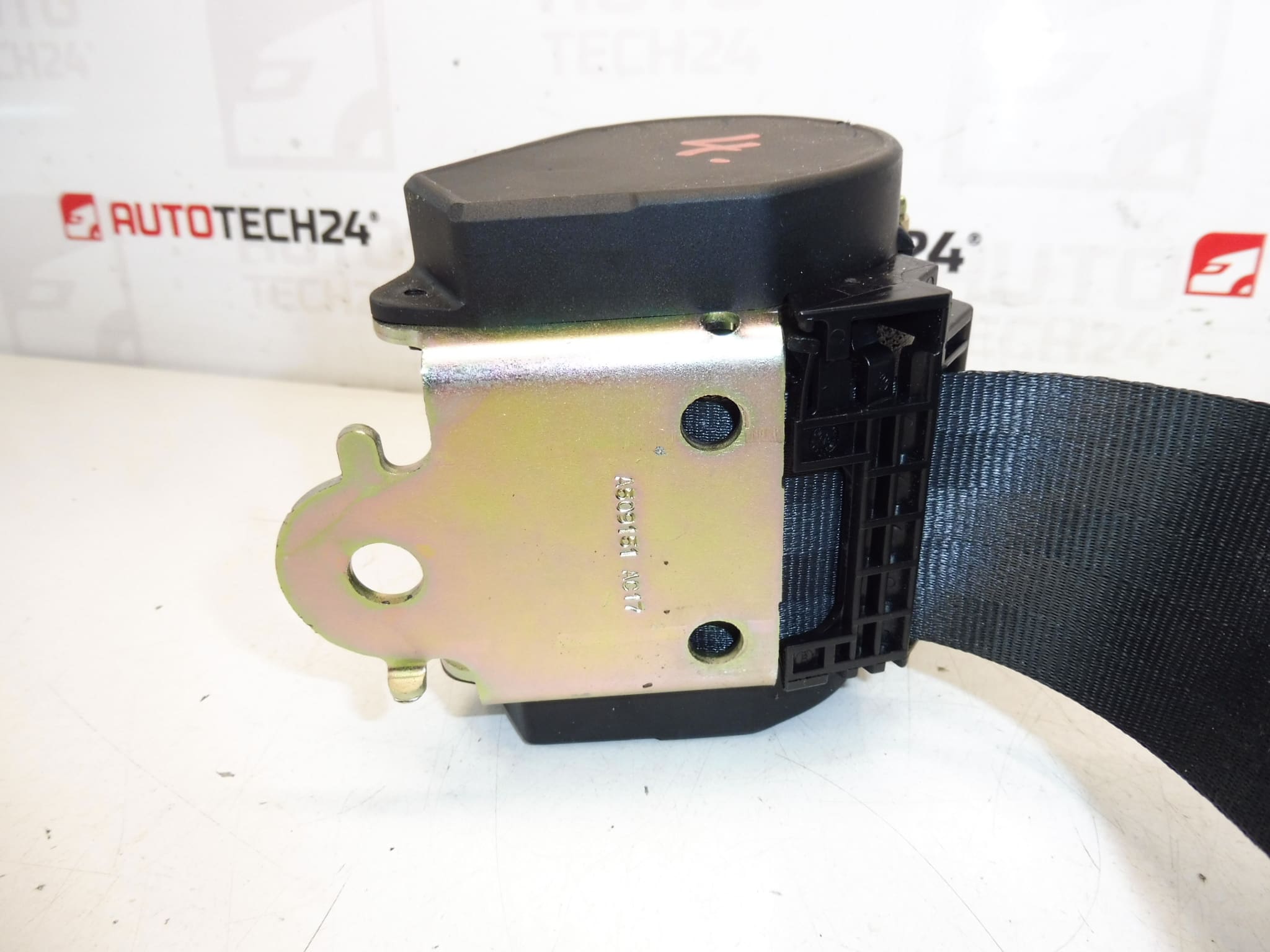
Rear Center Seat Belt For Citroën C4 First Series
Product Overview
This rear center seat belt is a direct-fit replacement part designed for the middle rear seating position of the Citroën C4 first generation. It restores occupant restraint and safety compliance after wear or damage. The part is commonly searched under the code 8974LF and is compatible with many first-series C4 models produced during the mid-2000s.
Key Benefits
- Direct replacement for original equipment on Citroën C4 (first generation).
- Restores proper restraint function for the rear middle passenger.
- Improves safety after webbing damage, retractor failure, or post-impact replacement needs.
- Quick identification by product code 8974LF for faster sourcing and ordering.
Technical Information
- Manufacturer: Stellantis / Citroën
- Model: Citroën C4 (First Generation)
- Product Codes: 8974LF, NFP
- Additional Numbers: None Specified
Compatibility
Fits Citroën C4 First Generation (commonly vehicles produced circa 2004–2010). Intended for the rear middle seating position. Search by product code 8974LF for fastest identification on parts lists.
Function And Common Faults
The rear center seat belt secures the middle rear occupant, locking under sudden deceleration to reduce forward movement. Typical failure modes include frayed or cut webbing, retractor mechanism seizure, jamming of the locking tongue, corrosion or loosening of anchor bolts, and damage following a vehicle impact. Buckles may also develop electrical faults if equipped with a seat-belt sensor.
Why This Part Fails Most Often
- Wear And Abrasion: Frequent use and rubbing against seat edges cause webbing deterioration over time.
- Contamination: Dirt, grit, and liquids can enter the retractor, causing jamming or poor retraction.
- Mechanical Damage: Improper handling, heavy objects, or previous collisions can damage anchors and retractor internals.
- Corrosion: Moisture ingress at anchor points can weaken fixings and moving parts.
Installation Recommendations
Replacement is straightforward for experienced technicians and competent DIYers with basic tools. Follow these steps and safety points:
- Disconnect The Battery Before Work: Always disconnect the vehicle battery and wait a few minutes to reduce the risk of accidental SRS/airbag system deployment or electrical damage.
- Access The Belt: Remove the rear seat cushion and interior trim panels as required to expose the anchor bolts, retractor housing, and buckle mounting.
- Unbolt Anchors: Remove lower anchor bolts and the top anchor (if roof-mounted). Keep track of any spacers or trim plates.
- Disconnect Electrical Connector If Present: If the buckle includes a seat-belt warning sensor, disconnect the electrical connector carefully.
- Fit New Unit: Install the new belt assembly with correct routing, ensuring the webbing is free of twists and the buckle is accessible.
- Tighten Bolts To Manufacturer Specification: Secure all anchor bolts and torque them according to Citroën service data.
- Function Test: Verify free retraction and positive locking by a firm pull. Check buckle latching and any warning lamp functionality.
- Post-Installation Check: Refit trim and seats, reconnect the battery, and perform a final system check.
Practical Tips
- Replace The Belt After Impact: Even If Webbing Appears Intact, Replace Seat Belts After A Crash—Load limiters and internal components may be compromised.
- Keep Webbing Clean: Regularly clean webbing with mild soap and water; avoid bleach and strong solvents.
- Inspect Anchors And Trim: Check for corrosion or damage to the mounting points and surrounding trim during replacement.
Ordering And Identification
When searching or ordering, use the product code 8974LF. Include vehicle model and production year (Citroën C4 First Generation, circa 2004–2010) to ensure correct fitment. Fast identification by code reduces downtime in workshops and speeds up DIY repairs.
Recommendation
If You Are Not Fully Confident With Vehicle Safety Systems, Have Installation Performed Or Checked By A Qualified Technician. Proper Fastening, Correct Routing Of Webbing, And Electrical Reconnection (If Present) Are Essential For Safe Operation.