Description
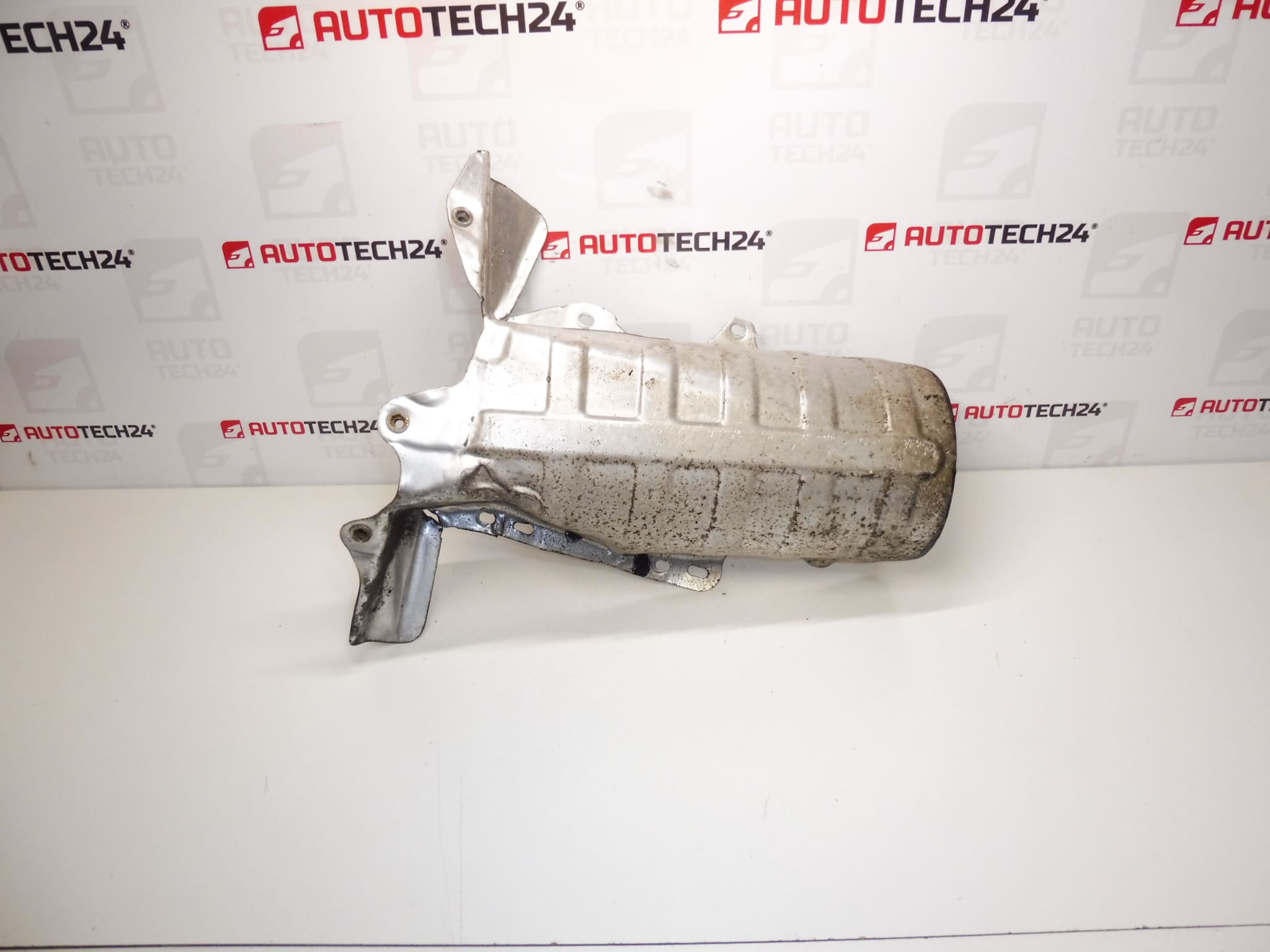
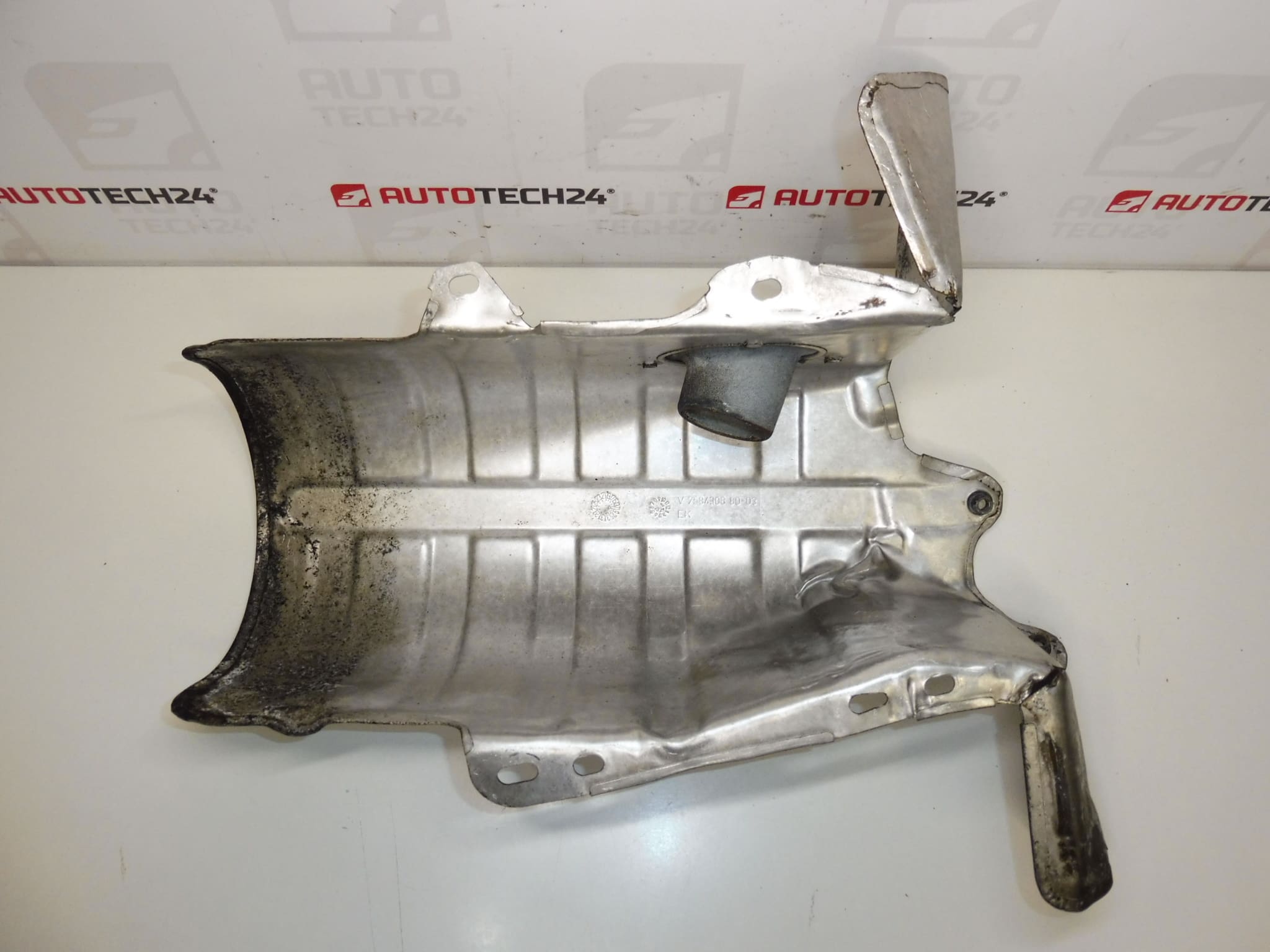
Heat shield for Citroën and Peugeot vehicles with 1.4 VTi and 1.6 VTi engines.
This heat shield is a direct-fit component designed to protect underbody parts and exhaust-adjacent components from excessive heat generated by the catalytic converter and exhaust system. It is commonly searched by OEM numbers 758430880, 758430880-03 and code 1723GS, making it quick to find for professional workshops and DIY enthusiasts. Built for Citroën and Peugeot models with 1.4 VTi and 1.6 VTi engines, the shield helps prevent heat-related damage to wiring, fuel lines, and bodywork while reducing heat transfer into the passenger compartment.
Technical Information
- Manufacturer: Stellantis
- Model: Citroën C3 Picasso; Citroën C4 II; Peugeot 308 (suitable for vehicles with 1.4 VTi and 1.6 VTi engines)
- Product Codes: 758430880, 758430880-03, 1723GS
- Other Numbers: V 758430880-03
Function
The primary function of the heat shield is to reflect and dissipate heat away from sensitive components near the exhaust system, including catalytic converter housings, oxygen sensors, wiring looms and the vehicle floor. Properly fitted, it reduces thermal stress on nearby parts and contributes to safe operation and longevity of underbody components.
Compatibility And Applications
Designed for use on Citroën and Peugeot vehicles equipped with 1.4 VTi and 1.6 VTi petrol engines. Common applications include Citroën C3 Picasso, Citroën C4 II and Peugeot 308. The part is often referenced by OEM/product codes 758430880, 758430880-03 and 1723GS in parts catalogs and service documentation.
Installation Recommendations
- Allow the exhaust system to cool completely before starting work to avoid burns.
- Raise and safely support the vehicle on appropriate stands to gain access to the underbody.
- Inspect fasteners and mounting brackets; apply penetrating oil to seized bolts and let it soak if necessary.
- Remove old shield carefully to avoid damaging nearby sensors or wiring harnesses. Support the exhaust where required to prevent movement.
- Fit the new heat shield into position, using original mounting points and hardware. Replace damaged or corroded clips, bolts or grommets with new ones.
- Tighten fasteners to the manufacturer’s recommended torque values where available. If torque specs are not at hand, tighten evenly to secure the shield without deforming it.
- After installation, check for interference with exhaust flex pipes, sensors and wiring. Start the engine and inspect for abnormal vibration or contact noises.
Why This Part Fails Most Often
- Corrosion: Prolonged exposure to road salt, moisture and heat leads to rust and perforation of the shield or its mounting points.
- Mechanical Damage: Impact from road debris or contact with uneven terrain can bend or break the shield.
- Vibration And Fatigue: Repeated thermal cycling and vibration cause mounting tabs, bolts or clips to crack or shear off.
- Heat Degradation: Continuous high exhaust temperatures can weaken materials and accelerate failure, especially if catalytic converter temperatures are abnormally high.
Practical Notes For Mechanics And DIYers
When replacing the heat shield, always check adjacent components such as exhaust hangers, sensor cables and heat-insulating sleeves. Replacing worn fasteners and clips during installation prevents rattle and premature re-failure. Keep OEM product codes (758430880, 758430880-03, 1723GS) handy to ensure you order the correct part for the specific vehicle and engine version.
Typical Lifespan
Lifespan varies with driving conditions and climate. In regions with heavy road salt or frequent short trips the shield may corrode and fail earlier. In normal conditions a heat shield should last many years, but visual inspection during routine service intervals is recommended.