Description
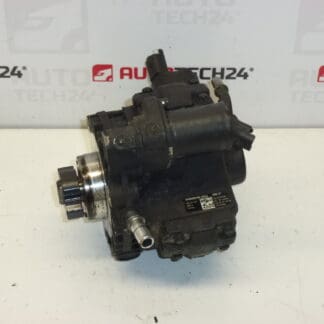
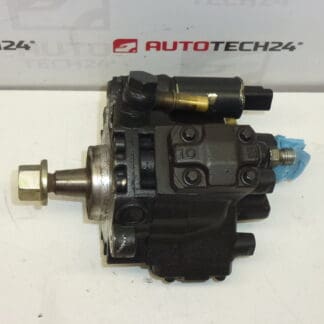
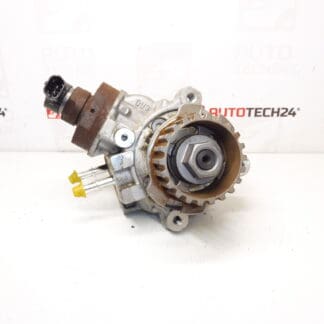
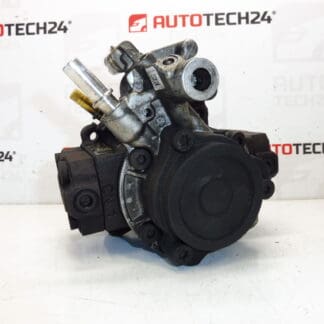
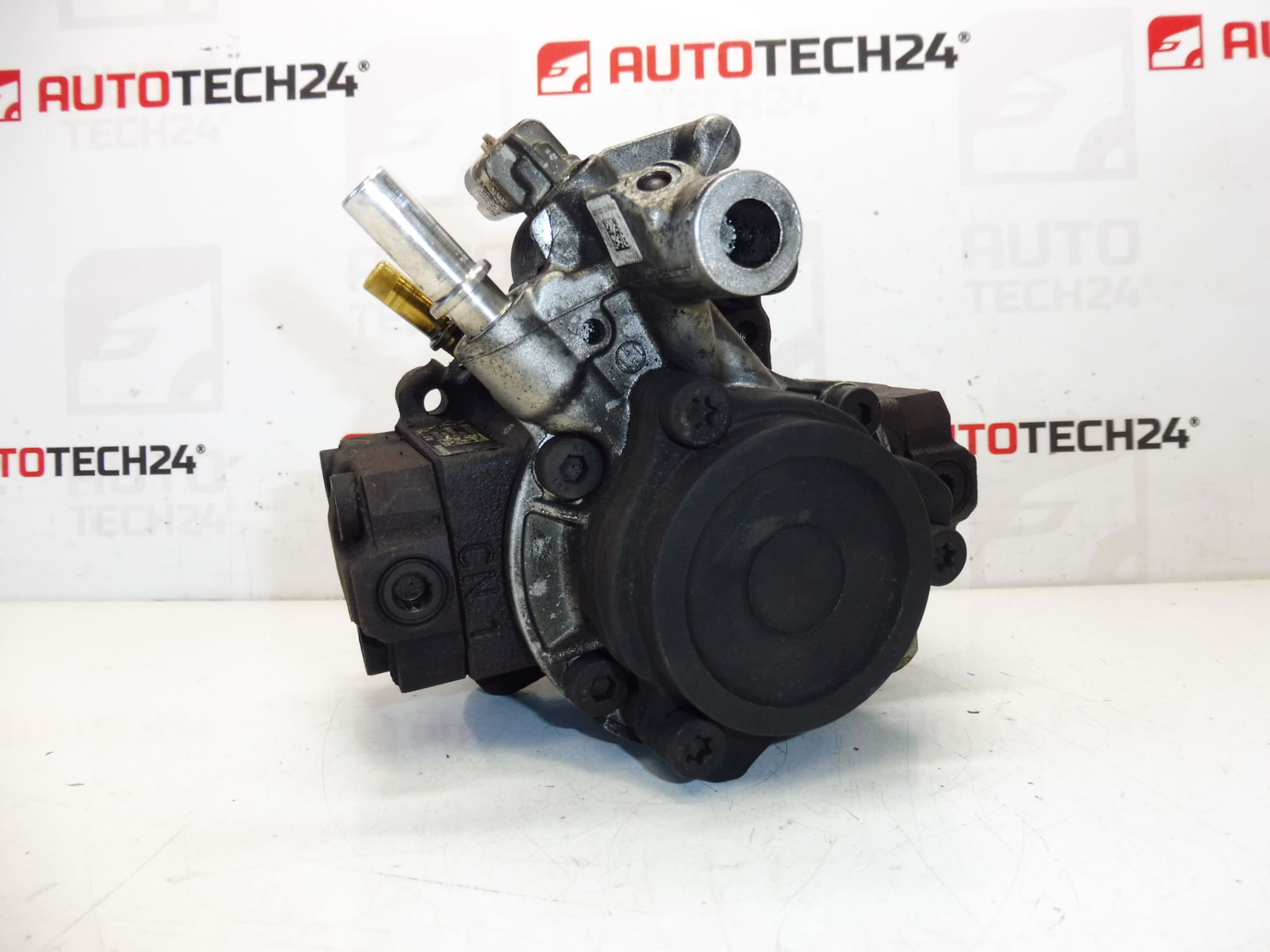
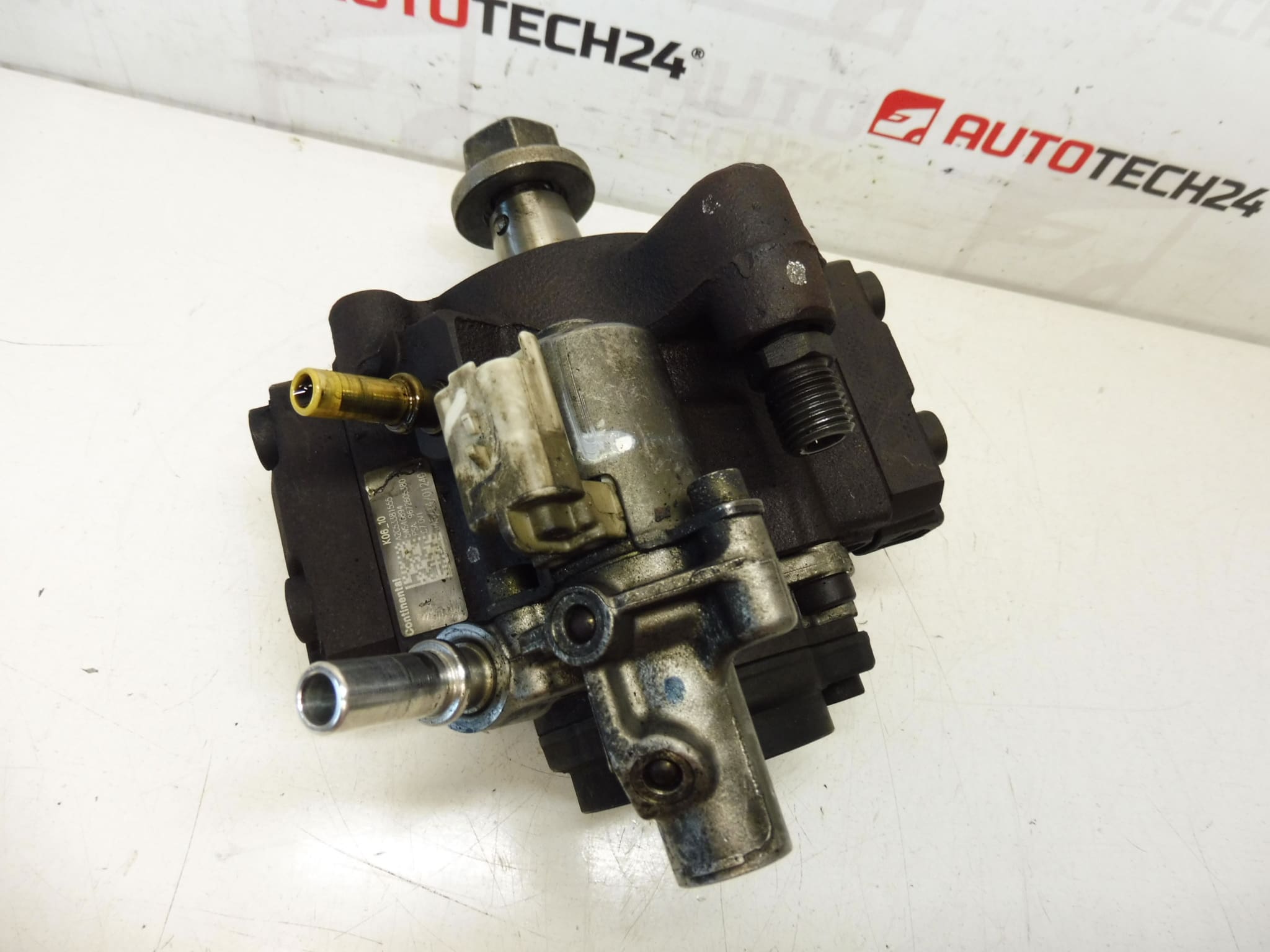
Injection Pump 1.6 eHDI Continental for Citroën, Peugeot, DS vehicles for 1.6 eHDI engines.
Overview
High-pressure injection pump for the 1.6 eHDI diesel engine family. Manufactured by Continental, this unit is designed to deliver the precise fuel pressure and timing required by modern common-rail diesel injection systems used in a range of Stellantis vehicles. The pump is a direct-fit replacement for original equipment on compatible Citroën, Peugeot and DS models and is commonly referenced by OEM and supplier part numbers.
Applications
Compatible With (examples):
- Citroën Berlingo B9
- Citroën C3 II
- Citroën C3 Picasso
- Citroën C4 II
- Citroën C4 Picasso
- Citroën C5 X7
- Peugeot 308
- Peugeot Partner Tepee
- Peugeot 508
Technical Information
- Manufacturer: Continental
- Model: 1.6 eHDI Injection Pump
- Product Codes: A2C53381555, 5WS40894, 9672605380
- Other Numbers: 1920RY, 1921Q7
Function And Key Features
The injection pump supplies high-pressure fuel to the common-rail system and controls delivery timing and pressure according to engine demands. Accurate metering and stable pressure are essential for combustion efficiency, low emissions and proper engine response. The unit integrates with the engine management system and high-pressure fuel lines to feed injectors at the required pressure.
Common Faults And Lifespan
Typical Causes Of Failure:
- Contaminated Fuel: Particles or water in fuel accelerate wear of internal components.
- Wear And Tear: High mileage can cause internal wear, reducing pressure capability.
- Faulty Pressure Control Valve Or Seals: Internal leakage or regulator faults lead to poor performance and drivability issues.
Expected Service Life: Lifespan depends on maintenance, fuel quality and driving conditions. Many pumps remain serviceable beyond 150,000 km with proper care; contamination and neglect shorten service life considerably.
Replacement And Installation Recommendations
Basic Replacement Steps (overview for experienced technicians):
- Relieve Fuel System Pressure Before Disconnecting Any Fuel Lines.
- Disconnect The Negative Battery Terminal To Avoid Electrical Hazards.
- Remove Engine Covers And Intake Components To Access The Pump.
- Carefully Disconnect High-Pressure Fuel Lines; Replace Sealing Washers/Banjo Bolts As Required.
- Unbolt And Remove The Pump, Noting Timing Marks And Orientation.
- Install The Replacement Unit Using New Seals; Torque Fasteners To Manufacturer Specifications.
- Prime And Bleed The Fuel System Thoroughly To Avoid Air Ingress.
- Start The Engine And Check For Leaks, Proper Idle And Smooth Throttle Response.
Notes: Always Replace Sealing Washers And Any Damaged Fuel Lines. After Installation, Verify Fuel Pressure And Engine Operation. If In-Doubt, Use Dealer Or Specialist Diagnostic Equipment For Final Checks.
Why This Part Is Searched By Part Number
Technicians and DIYers commonly search using OEM and supplier numbers (for example 5WS40894, 9672605380, A2C53381555, 1920RY, 1921Q7) to ensure exact compatibility with the vehicle’s engine variant. Using the correct code helps avoid fitment issues and ensures correct performance.
Recommendation
For reliable results, replace the pump together with all associated sealing parts and prime the fuel system carefully. If the vehicle exhibits poor starting, loss of power, excessive smoke or fuel leaks, inspect the pump along with fuel filters and lines. When possible, install using a workshop equipped for diesel systems and follow manufacturer procedures.