Description
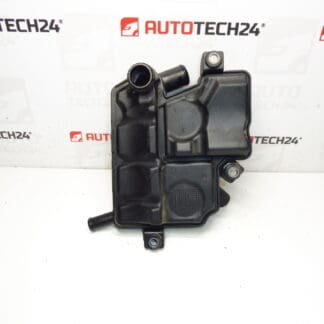
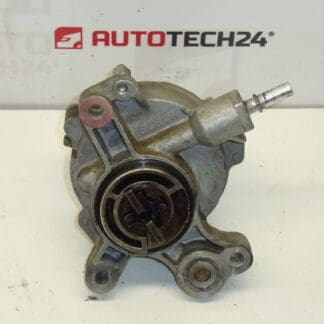
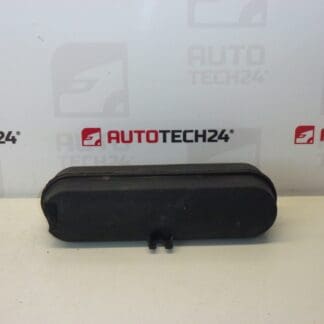
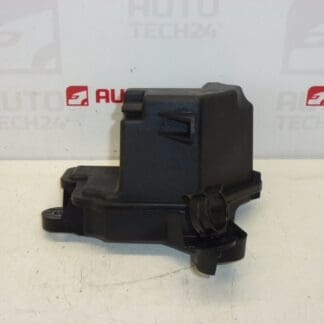
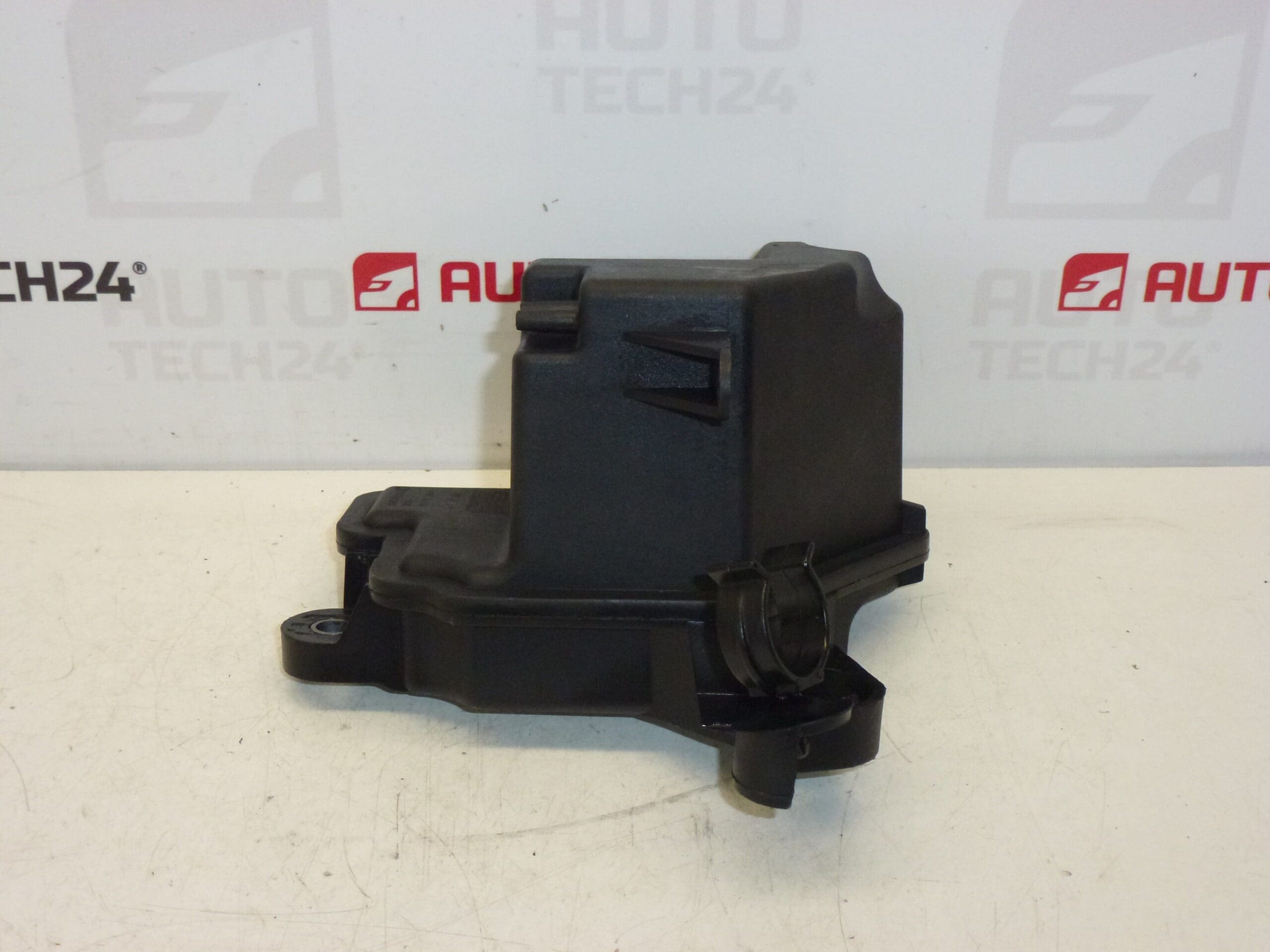
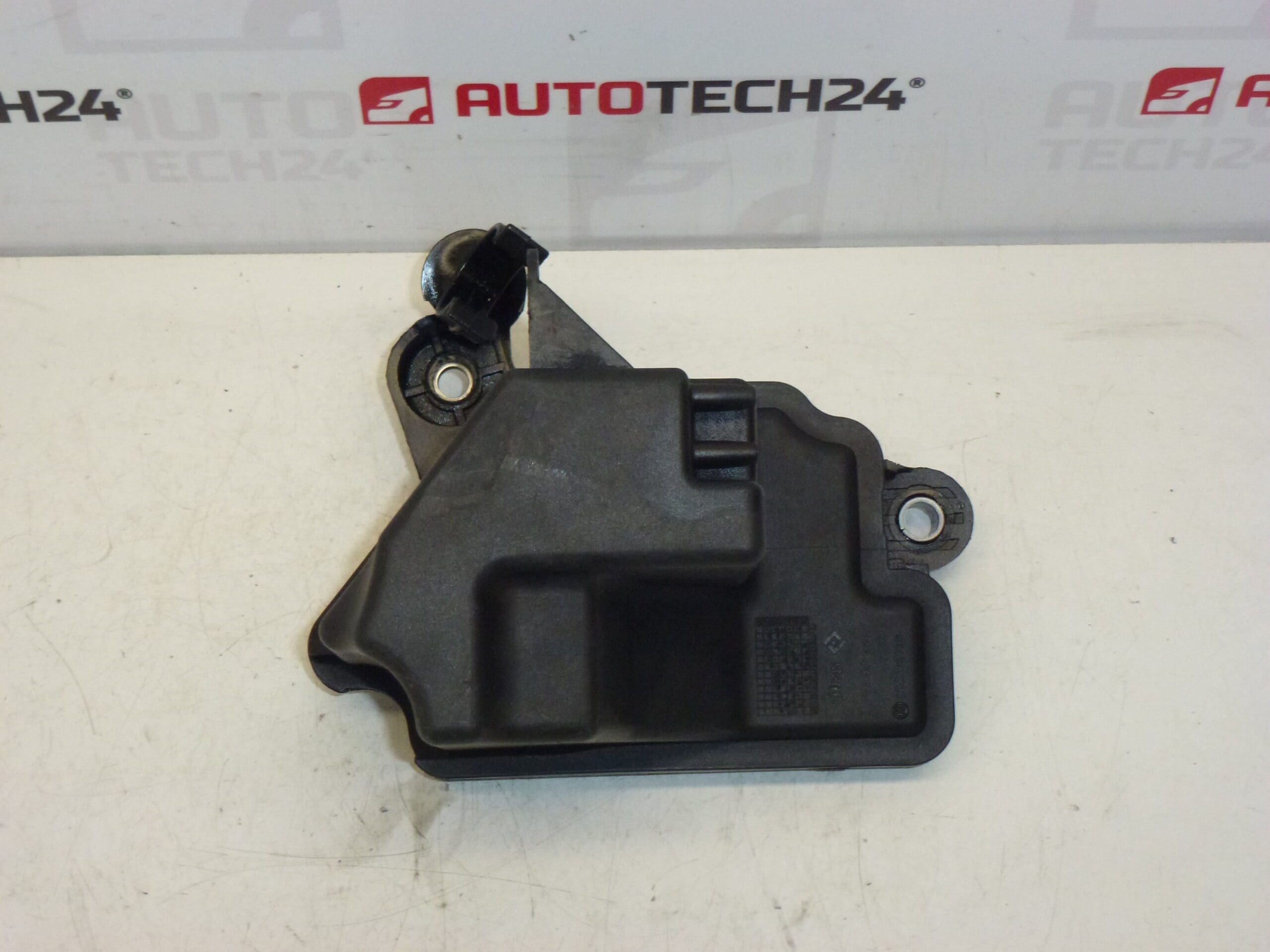
Vacuum reservoir for Citroën, Peugeot, Ford, Volvo 2.0 HDi vehicles
The vacuum reservoir is a direct-fit replacement part commonly used on 2.0 HDi diesel applications from the PSA group and related platforms. It stores engine vacuum to guarantee stable operation of the brake servo and other vacuum-operated systems when engine vacuum is low (for example during high load or at idle). This listing is frequently searched by product numbers, so please note the reference codes below when looking up compatibility.
Function And Application
The primary function of the vacuum reservoir is to provide an immediate source of vacuum for the brake booster (servo) and auxiliary vacuum consumers (valves and actuators) to ensure consistent pedal feel and reliable operation of systems that rely on vacuum. On 2.0 HDi engines the reservoir helps smooth transient vacuum drops that occur under boost or heavy load. Compatible Vehicles Include Common Citroën And Peugeot Models Listed Below, As Well As Certain Ford/Volvo Applications That Use The 2.0 HDi Engine Platform.
Recommended Models
Citroën C4; Citroën C4 Picasso; Citroën C5; Citroën C5 X7; Citroën C8; Peugeot 307; Peugeot 407; Peugeot 807
Installation Recommendations
Disconnect the negative battery terminal before starting work to avoid electrical faults. Locate the reservoir in the engine bay (usually near the brake master cylinder or mounted on the inner wing). Remove vacuum hoses and any electrical connectors, then unbolt the mounting fasteners. Replace any old vacuum hoses and clamps with new parts to prevent future leaks. Ensure the check valve (non-return valve) is fitted in the correct orientation and that all hose connections are tight. After installation, start the engine and confirm proper brake assist and absence of vacuum leaks (listen for hissing, check for vacuum hold at idle). Use basic hand tools; specialist tools are not normally required, but a vacuum pump can help verify leak-free operation before reassembly.
Common Failure Causes
Vacuum reservoirs typically fail because of age-related deterioration, heat exposure, mechanical damage, or contamination from oil or coolant. Cracks in the plastic body, brittle hose connections, or a faulty check valve are the most frequent reasons for loss of vacuum. Symptoms of failure include a hard or inconsistent brake pedal, longer stopping distances, audible hissing from the engine bay, or malfunctioning vacuum actuators.
Technical Information
Manufacturer: Stellantis (Citroën / Peugeot)
Model: 2.0 HDi Applications — See Compatible Models Above
Product Codes: 9646411180, 161837
Other Numbers: 161837 | 9646411180
Additional Notes For Mechanics And DIY Enthusiasts
This part is usually searched for by its product numbers, so referencing 9646411180 or 161837 will speed up finding the correct item. When replacing the reservoir, inspect the vacuum lines, clamps and the check valve—these subcomponents often cause repeat visits if not replaced or checked. For a reliable repair, pair the reservoir replacement with new vacuum hoses and, if applicable, a replacement check valve.