Description
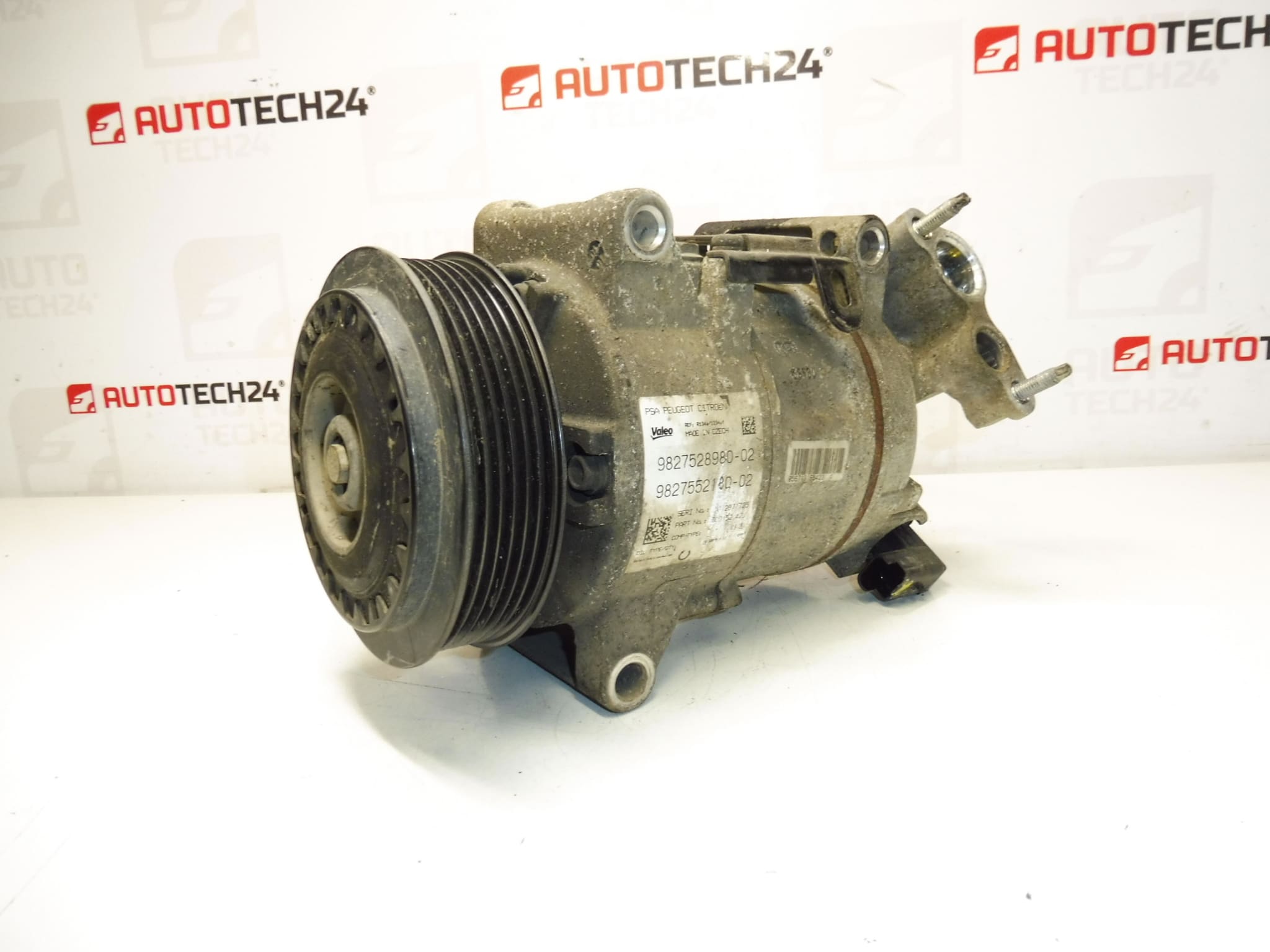
VALEO Air Conditioning Compressor For Citroën, Peugeot, DS, Fiat, Opel. Removed From A Vehicle With 64,000 Km.
This VALEO A/C compressor is an OEM-quality unit originally fitted to multiple Stellantis models. It is a direct-fit replacement for vehicles listed under the corresponding product numbers and is especially useful for professional workshops and experienced DIY mechanics searching by part number 9827528980, 9827552180 or 1617294480. The unit was removed from a car with 64,000 km and is ready for installation after standard installation procedures.
Key Benefits
- Direct-fit design for easy replacement on compatible Citroën and Peugeot models.
- High-quality Valeo manufacturing ensures correct clutch and pulley alignment.
- Saves diagnostic and repair time when identified by OEM product numbers: 9827528980, 9827552180, 1617294480.
- Suitable for professional repair shops and experienced DIY mechanics familiar with A/C service procedures.
Technical Information
- Manufacturer: Valeo
- Model: Commonly fitted to Citroën/Peugeot/DS platforms such as Citroën Berlingo (B9/III), Citroën C2, C3, C4 II, Citroën DS4, Peugeot 206, 307, 308 (T9), Peugeot Partner (III), Peugeot Rifter, XSARA, XSARA Picasso (check product numbers for exact fitment)
- Product Codes: 9827528980, 9827552180, 1617294480
- Other Numbers: 9827528980-02, 9827552180-02, Alternate references: 9827528980 / 9827552180 / 1617294480
Function And Compatibility
The compressor is the heart of the vehicle air conditioning system: it circulates refrigerant under pressure, enabling heat exchange in the condenser and evaporator and delivering cooled air to the cabin. Depending on the vehicle specification, the compressor is used in systems charged with R134a or R1234yf refrigerant; confirm the refrigerant type for the particular vehicle model and production year before service.
Common Failure Causes
- Mechanical wear of bearings and clutch assembly leading to noise or seizure.
- Loss of lubrication caused by system leaks or prolonged low refrigerant level.
- Contamination from a failed condenser, dryer/accumulator, or compressor internals causing internal damage.
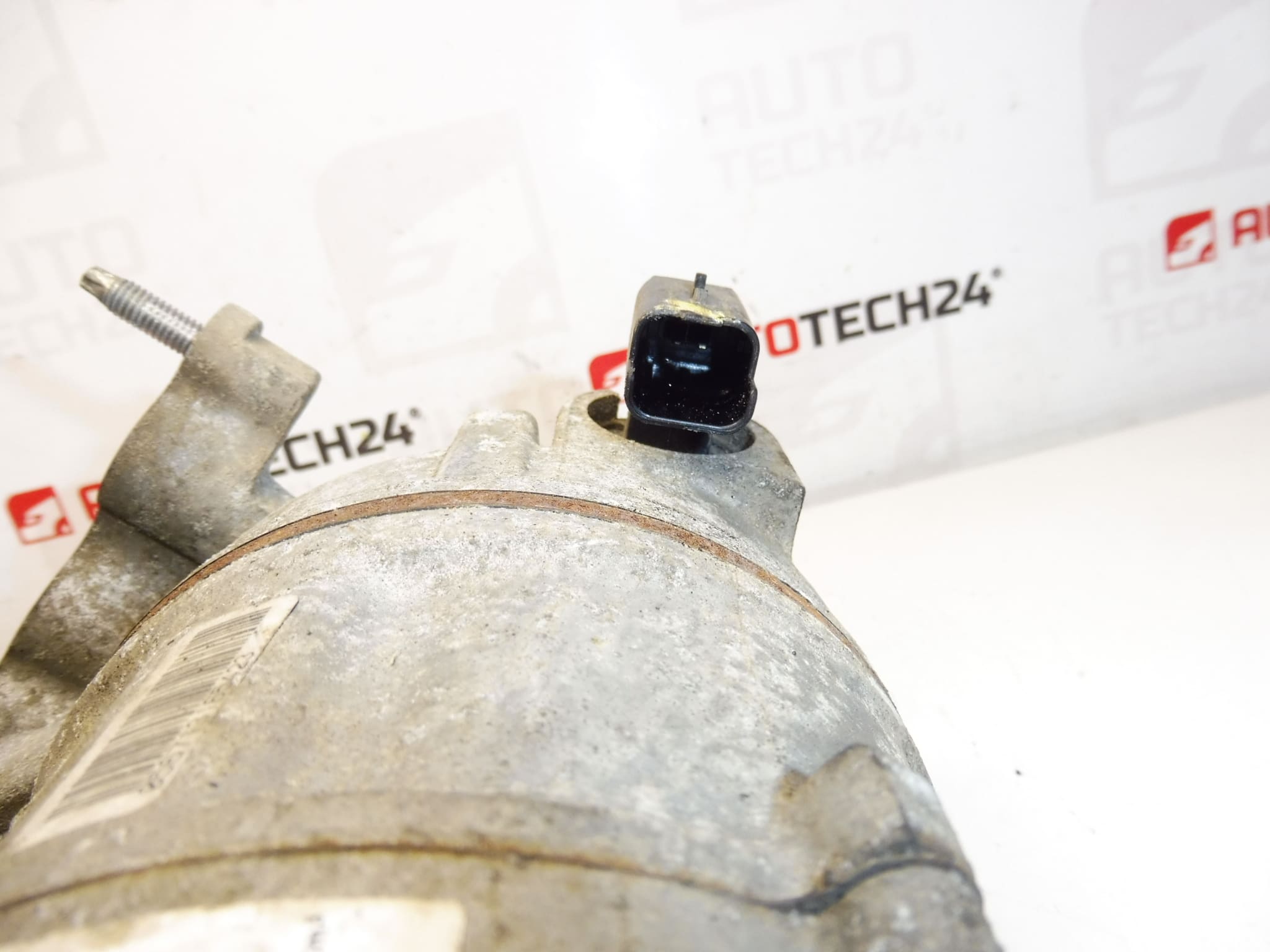
- Electrical faults in the clutch coil or wiring preventing compressor engagement.
Replacement Guide
Recommended steps for replacement (intended for trained technicians or experienced DIY mechanics with proper equipment):
- Recover refrigerant from the system using certified recovery equipment.
- Disconnect the battery before starting work to avoid electrical damage.
- Remove drive belt and electrical connectors from the compressor.
- Cap or plug A/C lines when disconnected to prevent moisture ingress and contamination.
- Remove compressor mounting bolts and extract the unit. Replace any damaged mounting hardware.
- Replace all A/C O-rings with appropriate sizes and lubricate with the correct type and amount of PAG oil as specified for the vehicle.
- Install the new compressor, tighten fasteners to manufacturer torque values, reconnect lines and electrical connectors.
- Evacuate the system to remove moisture and check for leaks, then charge with the correct refrigerant type and specified quantity.
- Run the system and verify proper operation, checking compressor clutch engagement, system pressures, and cabin cooling performance.
Installation Recommendations
- Always replace the receiver/drier or accumulator and expansion valve/orifice tube when opening the system, especially if contamination is suspected.
- Use the specified type and volume of compressor oil (PAG grade) for the particular vehicle system; incorrect oil will reduce service life.
- Perform a vacuum test for at least 30 minutes to ensure no leaks and to remove moisture before charging.
- Do not run the compressor without refrigerant and oil—this causes rapid internal damage.
- After installation, inspect belt tension and pulley alignment to prevent premature wear.
Why The Part Most Often Fails
The most frequent cause of compressor failure is inadequate lubrication due to refrigerant leaks or system contamination. When the system loses refrigerant, it also loses oil circulation, causing bearings and internal components to overheat and wear quickly. Contaminants from a failing condenser or a ruptured dryer can further damage internal valves and pistons, leading to seizure or internal scoring.
Search Tips
For fast identification use the OEM product numbers 9827528980, 9827552180 or 1617294480 when searching. These references improve the chance of finding the correct fitment for Citroën, Peugeot and associated models.