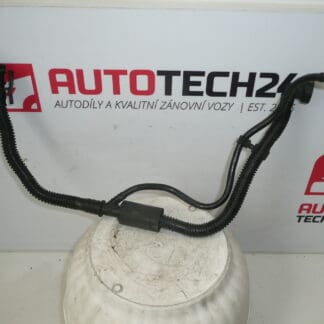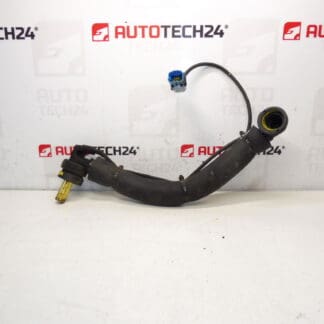
Description
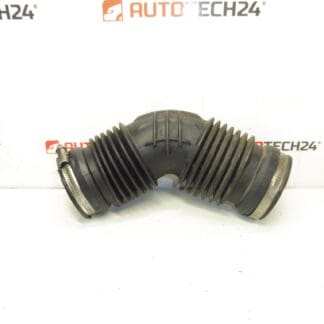
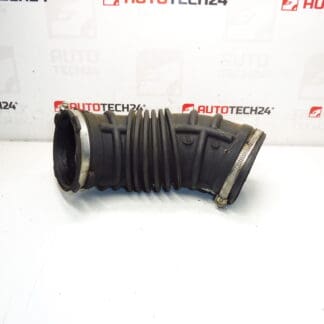
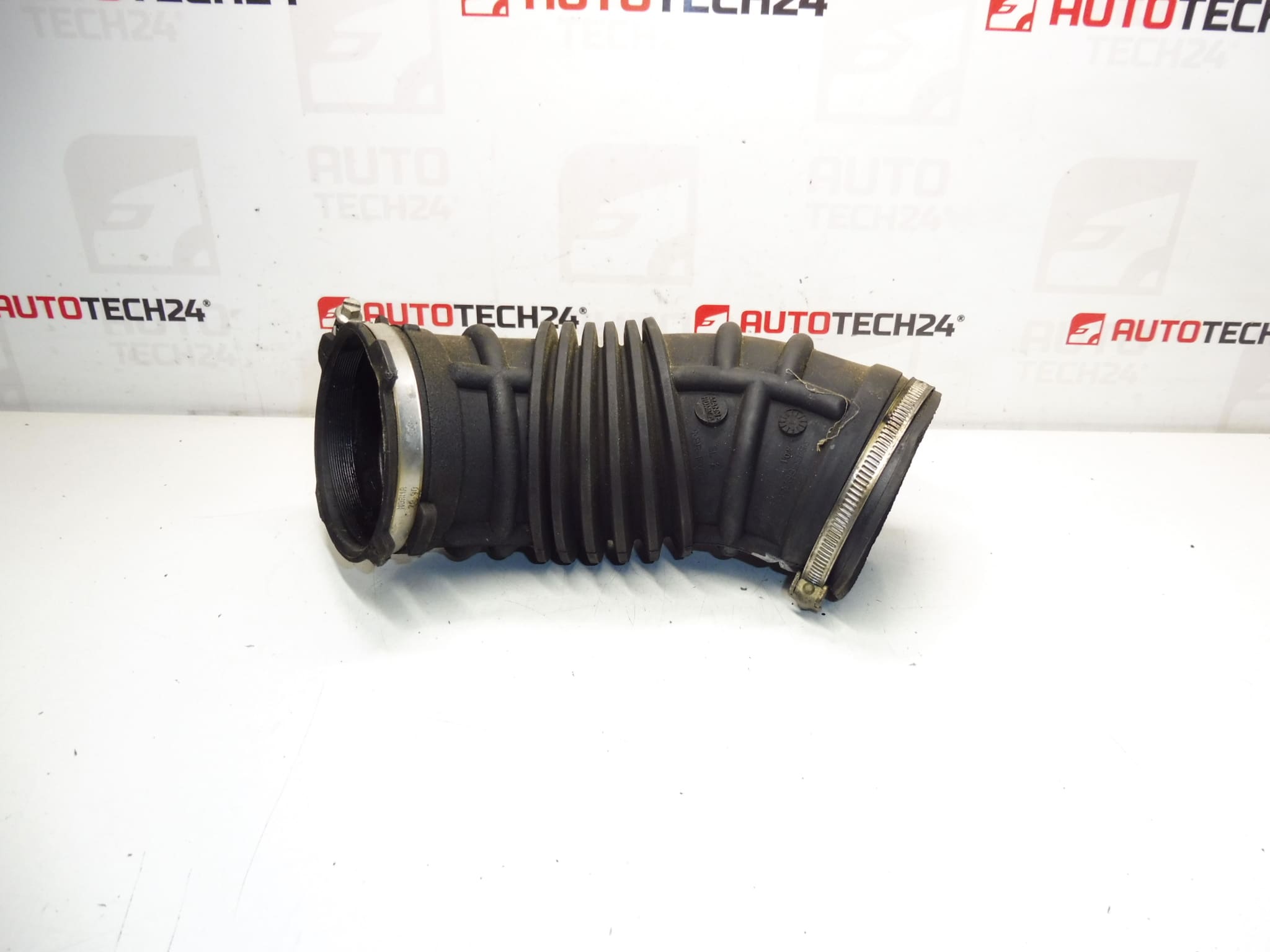
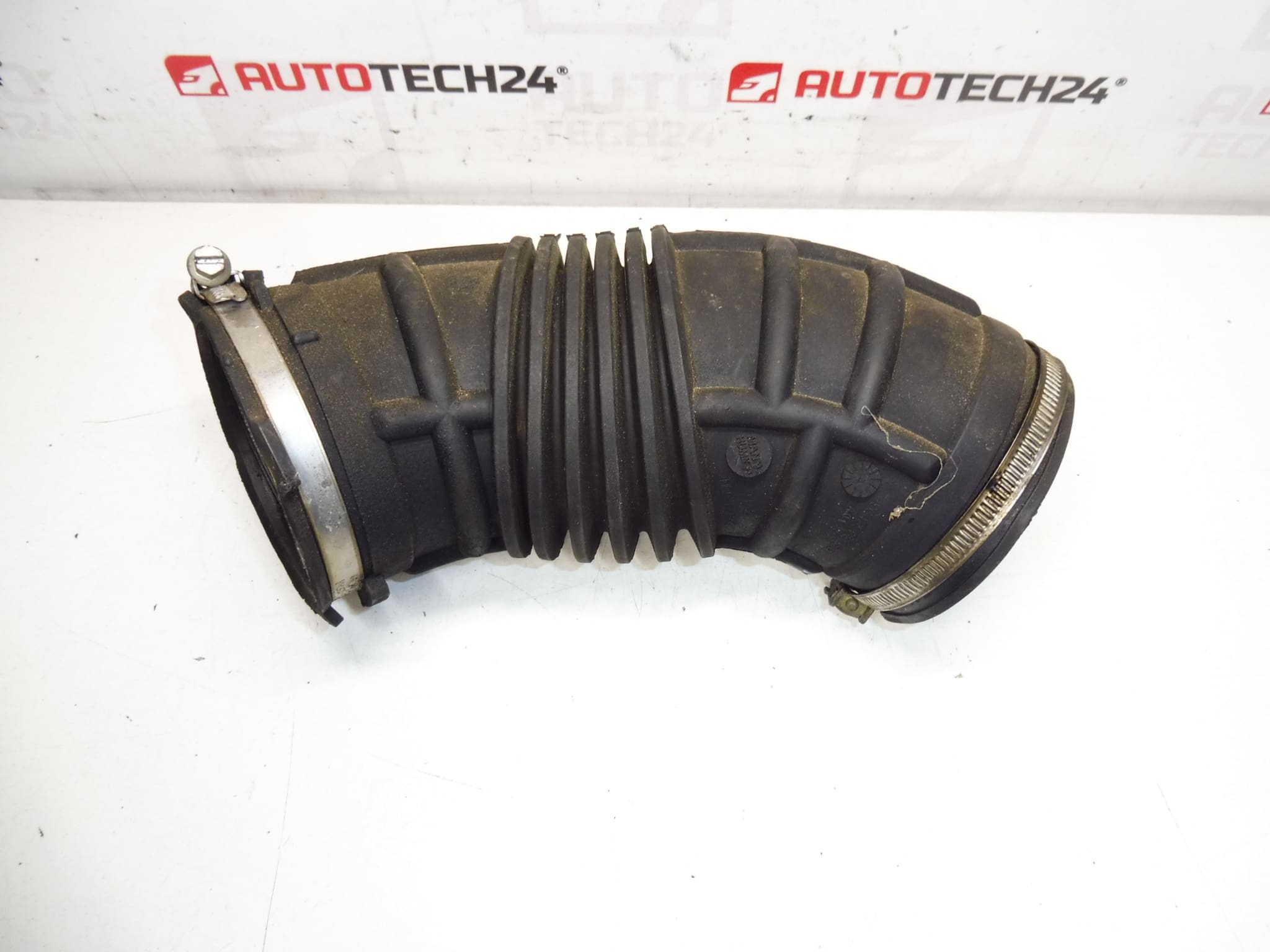
Intake air inlet 2.0 16V for Citroën Peugeot cars
It is from a PEUGEOT 307 2.0 16V 130KW
Part description
This intake air inlet connection / neck is a part of the engine intake system and serves to safely guide and connect the intake air. A properly sealed and undamaged throat is important for stable engine operation, as intake leaks often lead to erratic running and poor throttle response.
The part is designed for the 2.0 16V engine and according to the documents, it comes from the Peugeot 307 2.0 16V 130 kW car. Always verify suitability by matching product codes and shape/sockets against your original part.
Technical information
- Manufacturer: Stellantis (Citroën / Peugeot)
- Model: Peugeot 307 (according to documents); Citroën C4 (label)
- Other numbers: NFP
Product codes
- Product codes: 9643568280, 143437
Installation recommendations
Generally/typically for intake parts (ports/air connections) the exact procedure may vary depending on the specific intake design and engine bay space. Below is a practical general procedure.
1) Before assembly
- Compare the new and original part: shape, socket diameters, seating surfaces, mounting, outlets.
- Check the condition of the used part: cracks, deformations, squeezed edges, damaged contact surfaces.
- Check that there are no residues of old dirt/oil on the part; clean it so that dirt does not get into the suction.
- Check the condition of the rubber couplings/hoses and clamps around – worn elements will often cause a leak even with a “good” neck.
2) Necessary tools and materials (in general)
- Screwdrivers or ratchet with extensions (according to the type of clips/attachments)
- Clip pliers (if elastic clips are used)
- Cleaning agent for degreasing and rags
- Possibly new clips (if the original ones are corroded or deformed)
3) Step-by-step assembly procedure
- Allow the engine to cool and secure the vehicle against movement.
- Get access to the part in the intake system (remove obstructing covers if present).
- Mark the position of the hoses/couplings so that they sit in the same orientation when reassembled.
- Loosen the clamps on the connected hoses/pipes and carefully pull off the connection.
- Undo any screws/caps holding the neck in place (if any).
- Remove the original neck and check the seating areas and surrounding hoses for cracks or bruises.
- Clean the contact surfaces and the inside of the connected parts from dirt.
- Insert and seat the new nozzle in the correct position without tension (the suction parts should not be “forced”).
- Connect the hoses/couplings, make sure they fit properly all the way to the stop.
- Tighten/close the clips evenly so that the joint is tight but the plastic is not deformed.
- Check that nothing is rubbing against surrounding parts and that the suction line is not under tension anywhere.
- Reinstall any covers and check the entire intake route visually.
-
4) Post-assembly checks and test drive/function verification
- After starting, let the engine idle and listen for a hissing sound (a typical sign of an intake leak).
- Check that the connection does not “suck” anywhere and that the hose does not move or slide when you add gas.
- After a short test drive, visually check the connections and tightening of the clips again.
5) The most common assembly mistakes + how to avoid them
- Unseated joint (hose not up to the stop) → before tightening the clip, always check the seat around the entire circumference.
- Clamps overstretched → the plastic neck may crack; tighten with sensitivity and evenly.
- Assembly with damaged hose/coupling → leak will return; rather replace suspect hoses.
- Impurity in the intake → before assembly, clean the parts and the surrounding area so that dirt does not get into the engine.
Reasons why the part is damaged
- Plastic aging due to heat and vibration – formation of microcracks and subsequent leaks.
- Mechanical damage during disassembly (prying, twisting of hoses) or improper seating.
- Extended clips and local stress – deformation or cracking of the neck.
- Vibration and tension in the assembly (poorly routed/tensioned hoses) – gradual loosening or cracking.
- Contact with oil and dirt around the intake – accelerated aging of the material and deterioration of the tightness of the joints.