Description
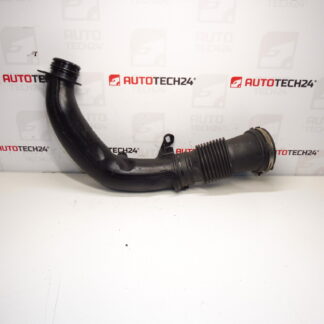
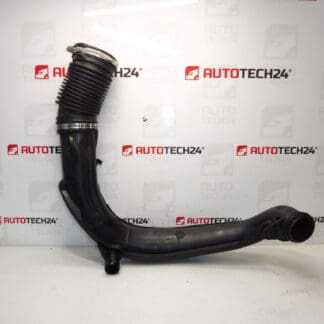
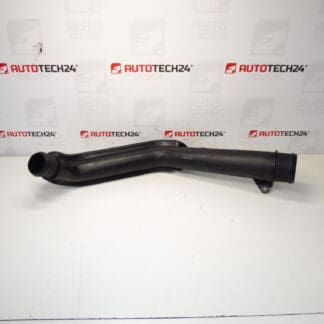
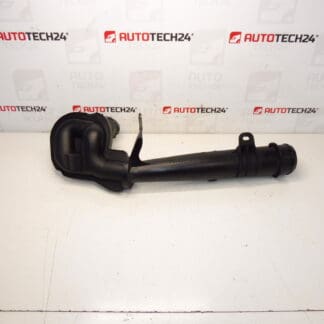
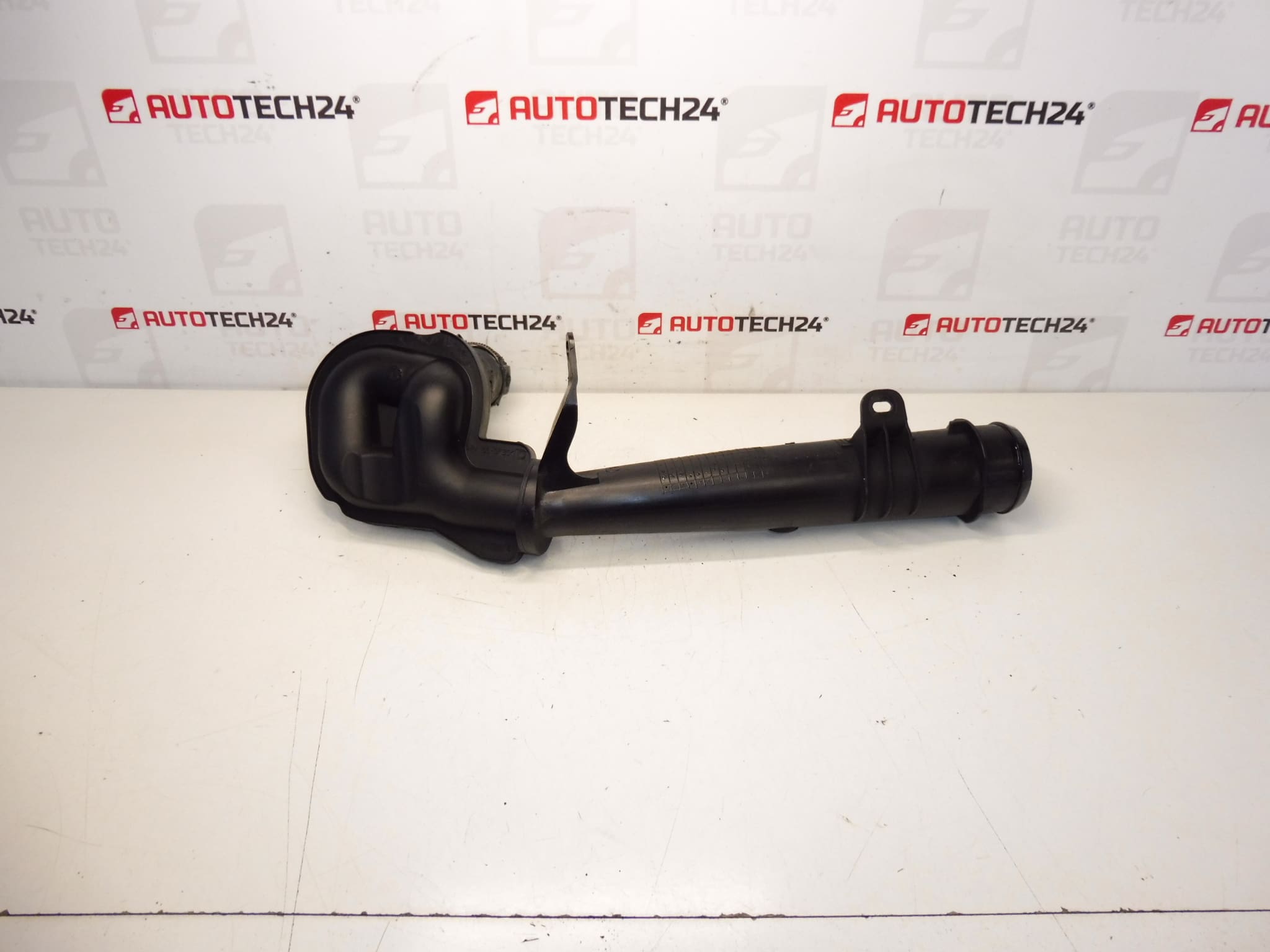
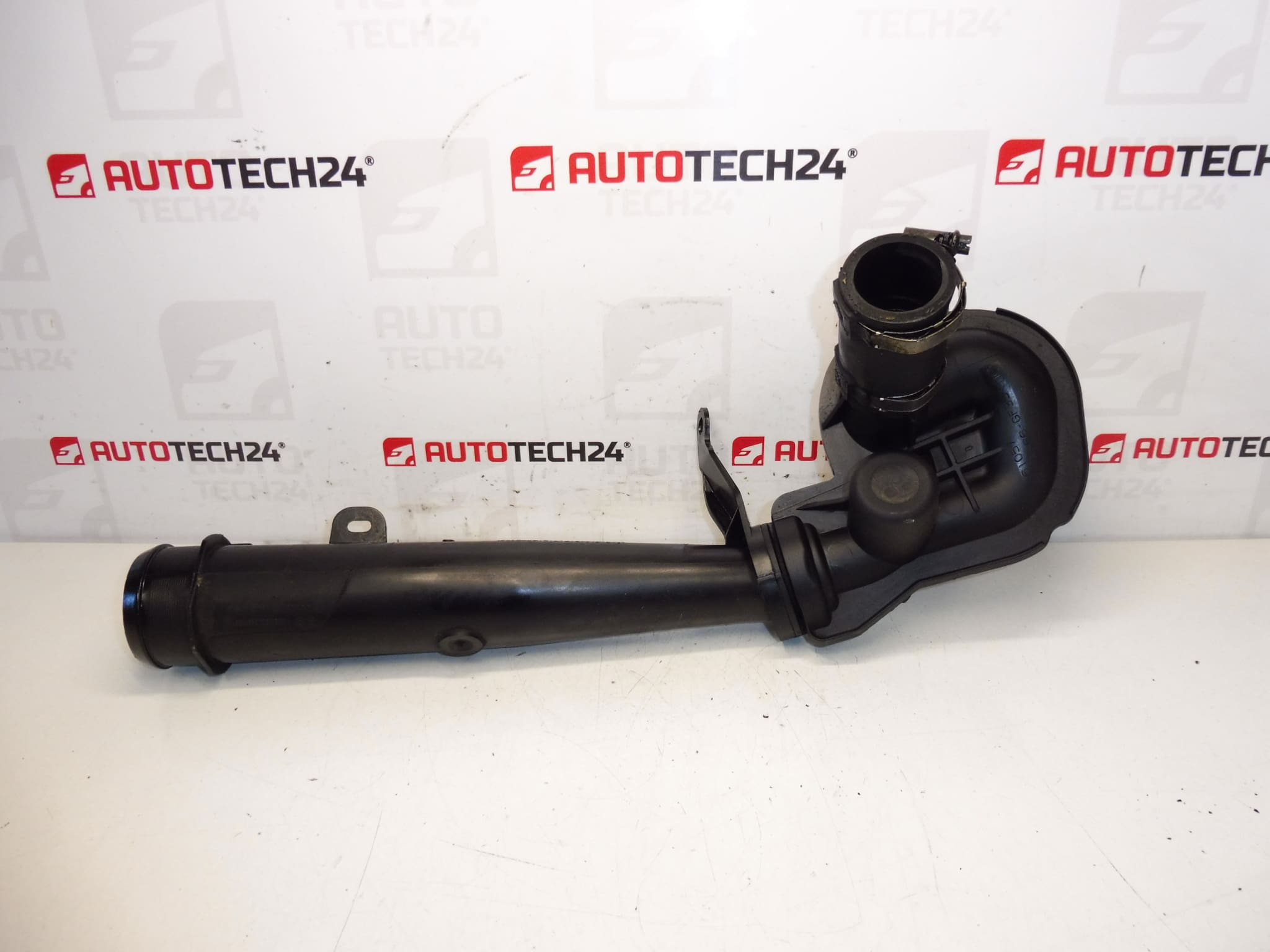
Air connection at the turbocharger for Citroën/Peugeot 2.0 HDi engines. It is from a Citroën C4 Grand Picasso 2007.
This turbocharger air connection hose is a direct replacement part commonly used on 2.0 HDi diesel engines from the Stellantis group. Designed to route compressed air from the turbocharger to the intercooler or intake tract, it ensures correct airflow, prevents boost leaks and maintains engine response. The part is often searched by OE numbers 9680995580 and 0382JW, so listing these codes will help technicians and DIYers find the correct unit quickly.
Key Features
- Direct fit for specific Citroën and Peugeot 2.0 HDi models.
- Durable construction resistant to heat and engine bay contaminants.
- Maintains proper turbo boost pressure and engine drivability when installed correctly.
- Frequently Identified By OE Numbers: 9680995580, 0382JW.
Applications
Typical fitment includes:
- Citroën C4 Grand Picasso (2007) and related 2.0 HDi variants
- Peugeot 3008 I with 2.0 HDi engines
- Peugeot 5008 I with 2.0 HDi engines
Technical Information
- Manufacturer: Stellantis / Citroën / Peugeot
- Model: Citroën C4 Grand Picasso; Peugeot 3008 I; Peugeot 5008 I (2.0 HDi)
- Product Codes: 9680995580, 0382JW
- Other Numbers: NFP (as referenced in original listing)
Installation Recommendations
- Allow Engine To Cool Before Work: Hot turbo and pipes can cause burns; wait until the engine and turbo are cool.
- Relieve Residual Pressure: If the vehicle was recently driven, depressurise intake system by opening clamps carefully.
- Remove Surrounding Components If Needed: In many vehicles, plastic covers or intake ducts must be removed to access the turbo inlet hose.
- Inspect And Replace Clamps/Seals: Always fit new hose clamps and check O-rings/seals on mating flanges for proper sealing.
- Torque And Align Correctly: Refit clamps evenly to avoid crush points. Ensure hose is not twisted and has correct clearance from hot components.
- Leak Check After Installation: Start Engine And Check For Boost Leaks Under Load (or use a smoke test) to confirm proper sealing.
Why This Part Fails Most Often
- Age And Heat Cycling: Repeated heating and cooling of the engine bay causes rubber and composite hoses to harden, crack or become brittle.
- Oil Contamination: Turbocharger oil leaks or blow-by deposits can degrade hose material and accelerate failure.
- Loose Or Damaged Clamps: Insufficient clamping or corroded clamps lead to boost leaks at hose connections.
- Abrasion And Contact With Adjacent Parts: Incorrect routing or contact with sharp/rigid components can wear through the hose wall.
Regular Inspection: Check the turbo inlet hose at routine services and after any turbo repair. Replacing the hose when small cracks or soft spots appear prevents loss of boost, poor acceleration and diagnostic trouble codes related to turbocharger performance.